In Iran, no one can breathe in this atmosphere of fear
When an authoritarian regime cannot punish the forces that exposed its weakness, it punishes the citizens who remind it of that humiliation instead, writes Hossein Dabbagh


Iran has often described its current crackdown as an attempt to restore “order”. That word “order” is doing too much work. What we are watching unfold is less crowd control and more a regime trying to repair a damaged claim to authority by making life incomprehensibly dangerous.
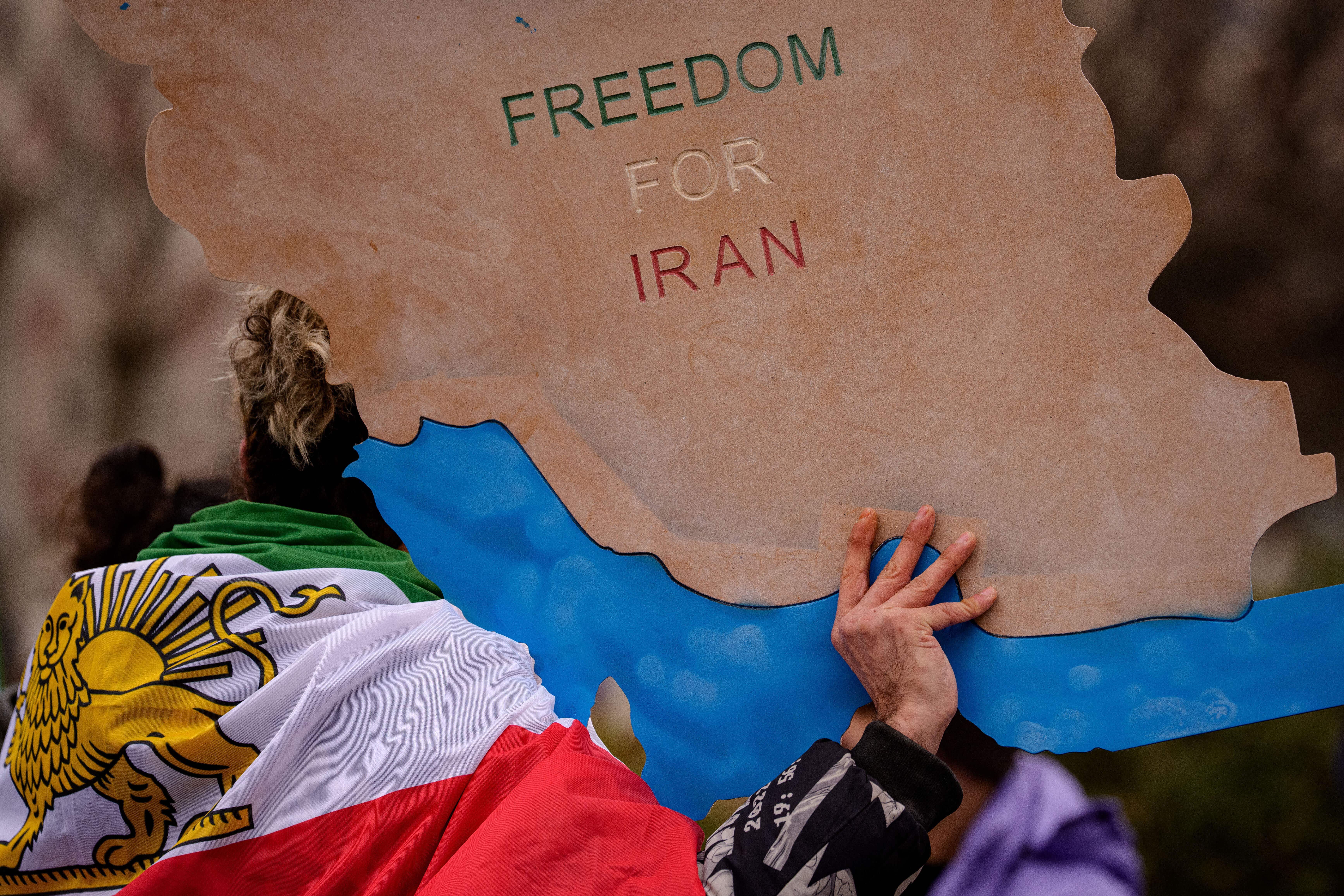
Unrest began that with economic pain quickly snowballed into something larger: a public refusal to accept fear as the price of living. The state’s response has been lethal and expansive. When force is deployed so widely that it kills protesters and bystanders alike, it signals an aim to flood society with uncertainty and to make even proximity to dissent feel like a gamble.
When an authoritarian regime cannot punish the forces that exposed its weakness, it often punishes the citizens who remind it of that humiliation. Protesters challenge policy and leadership while reflecting what the state cannot afford to acknowledge: its inability to protect, deter, or govern competently. Protest becomes intolerable not merely because it threatens control, but because it makes failure visible.
A regime that, for more than forty years, has claimed national strength and readiness to defend the nation against imperialist threats cannot easily erase a visible episode that exposed vulnerability, as in the “12-day war”. But it can demonstrate that it remains capable of domination at home. Domestic brutality often follows external humiliation, not as revenge, but as repair.
The near-total communications blackout, now in its third week, ironically makes this inversion visible. In an economy where small businesses rely on messaging, online storefronts, and digital payments, severing the internet is a way of enforcing political submission through economic suffocation.
Sovereignty is a performance as much as it is a legal status. And, just as it involves the capacity to deter threats, defend assets, and project a veneer of competence, it can also command obedience, define reality, and instil fear.
External setbacks also unsettle the regime from within. In brittle systems, they trigger “elite anxiety” and a rush to assign blame. A crackdown makes loyalty the safest position and warns potential defectors that any hesitation will be punished. Violence becomes a tool of internal cohesion.
So, the familiar vocabulary of infiltrators, terrorists, and foreign plots becomes, not rhetoric, but a moral technology that rebrands dissent as treason and repression as defence. The story does not need to persuade everyone. It only needs to provide a permission structure for officials to carry out violence, and a fog of confusion for anyone who might be tempted to join the protests.
The greater danger is moral. A society cannot breathe in an atmosphere of fear. Mass repression corrodes trust and pushes people toward either despair or vengeance. The task, both for those resisting and for those watching, is to keep a different horizon in view: one in which agency is rebuilt through organisation, witnessing, and civic life. Otherwise, the regime wins twice: first by killing, then by teaching people that nothing can be done.
This is the tragedy of wounded sovereignty: a government that can no longer credibly protect its citizens instead tries to prove it can still control, striking those who expose its weakness in their refusal to be silent.
Hossein Dabbagh is an assistant professor of philosophy at Northeastern University London
Join our commenting forum
Join thought-provoking conversations, follow other Independent readers and see their replies
Comments
Bookmark popover
Removed from bookmarks