Nigel Farage has a secret weapon in his bid for No 10 – and he’s yet to truly use it
It is easy to poke holes in Reform’s plans for government and to mock the missteps of its local councils, but Farage’s uncanny ability to win over superstar defectors will make his party even stronger than it already looks, writes John Rentoul


Danny Kruger, the MP who recently defected from the Conservatives to Reform, is billed as head of his new party’s “preparing for government” unit. He held a news conference today at which he declared confidently: “We will be ready.”
He promised that if Nigel Farage becomes prime minister at the next election, “we will have legislation drafted and ready to go”. Those with memories longer than that of a goldfish will remember similar talk from Keir Starmer before the last election. There was talk of legislating on day one; amended to “in the first 100 days” and then to “a bill will be published in the first 100 days”. The flagship bill on renters’ rights has only just become law after 15 months and the Employment Rights Bill is still in the House of Lords.
So why should we believe that Reform would do any better when it doesn’t have any policies and, if it forms a government, it will have a cabinet made up mostly of people who have not been MPs before, let alone ministers or even shadow ministers?
When I say Reform doesn’t have any policies, I mean that Nigel Farage, a week ago, ditched the tax and spending promises on which he fought the last election. That was progress of sorts, because those were promises of tax cuts and spending cuts with lower than Liz Truss levels of credibility.
But what have they been replaced with? Mere words. Farage said: “At the next election, we will present a rigorous and fully costed manifesto. Reform will never borrow to spend, as Labour and the Tories have done for so long; instead, we will ensure savings are made before implementing tax cuts. I will have more to say on all this in the coming weeks.”
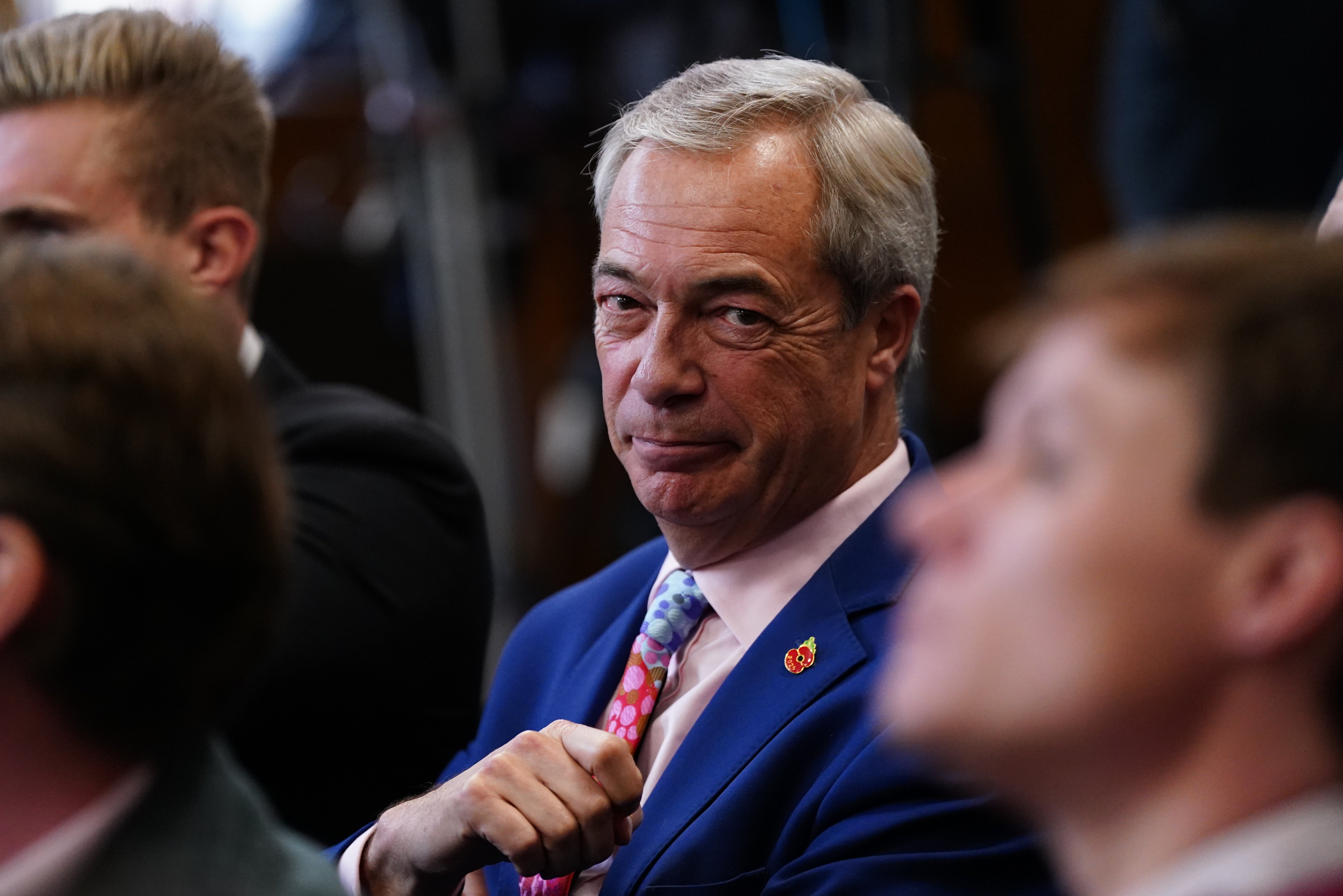
But he didn’t have more to say this week, and nor did Kruger, beyond a vague reference to cutting the civil service “headcount” and the vacuous observation that the Treasury employed 26 officials at the time of Lloyd George’s People’s Budget in 1910.
To be fair, Reform does have a policy on the other central issue of British politics, namely stopping the boats. It published a short document two months ago called “Operation Restoring Justice” that proposed to detain and deport everyone arriving by small boat. Unfortunately, it didn’t say in which “remote” places these people would be held, or to where they would be deported, given that no country is prepared to receive most of them.
Farage’s credibility is further undermined by his unwillingness to say who would deliver his policies, such as they are. He refuses to answer questions about who would be chancellor in his government, although Richard Tice, the party’s deputy leader, and Zia Yusuf, the former party chair, both think they know who it should be. Last week, Farage carried out an incomprehensible reshuffle, announcing that Yusuf was being replaced by Tice as head of the party’s Doge unit. This is the unit, with considerably fewer staff than Lloyd George’s Treasury, that is supposed to be making big savings in Reform-controlled local councils.
And – talking of Reform councils – five Kent county councillors were expelled yesterday for “bringing the party into disrepute”, which hardly suggests that the party there was “ready” for the responsibilities of office.
So, yes, there are many good reasons to mock Reform’s plans for government. But these may not be sufficient to prevent people from voting for Farage to be prime minister when the time comes.
For one thing, I think Farage is serious about learning from his mistakes, and will do what he can to hold the party together while trying to keep his distance from the more toxic elements that anti-immigration parties are bound to attract.
For another, he will be reinforced by Tory defectors. If Reform continues to look set to overtake the Tories as the general election approaches, the trickle may become a flood. In which case, the prospect of Robert Jenrick or Katie Lam as home secretary in a Reform government would add to Farage’s credibility.
Finally, I think that Farage’s opponents are complacent about the threat. As Kruger said today, people voted for change in 2019 and 2024, and they didn’t get it. Starmer is not just unpopular, he is hated. The Labour Party’s reputation is not much better, as today’s record low in a YouGov poll suggests.
At the last election, some of us tried to point out that Labour was not ready for government, but a lot of voters were desperate to turn the Tories out and said to themselves that Labour “couldn’t be any worse”. Next time, many of them will want Labour out but will not be ready to give the Tories another chance – and they will dismiss attempts to warn them about Farage’s governing capability by saying he “couldn’t be any worse”.
Join our commenting forum
Join thought-provoking conversations, follow other Independent readers and see their replies
Comments
Bookmark popover
Removed from bookmarks