It’s time Eugenie and Beatrice cut Prince Andrew out of their lives
For their own sake – and certainly that of their young children – the royal princesses need to find some distance from their disgraced father, says Samuel Fishwick


There are plenty of people out there who know too well the shame and horror when a parent is accused of something monstrous. Yet few have experienced it under the same high-beam public scrutiny as princesses Beatrice and Eugenie. Theirs is a rare kind of living hell.
Imagine – just imagine – reading Virginia Giuffre’s account as the daughter of Prince Andrew. Giuffre, who took her own life six months ago, was 17 when she alleges she first met Andrew at the home of his friend Ghislaine Maxwell in London. “He was friendly enough, but still entitled – as if he believed having sex with me was his birthright,” Giuffre writes of the prince in her memoir, published posthumously this week. These are allegations, of course, that Andrew vehemently denies. Nonetheless, imagine the revulsion at the fear Giuffre said she felt about both Maxwell and Epstein all those years ago, or the familiarity with which she writes about “Andy”.
It is cruel to drag the children of alleged abusers into an account of their father’s sins, no matter their extraordinary privilege and position. Andrew, of course, did exactly that. He used one of them as an alibi in his infamous BBC interview with Emily Maitlis when asked about his dealings with the paedophile financier, insisting that he couldn’t possibly have met Giuffre on the day in question. In his account, he was at Pizza Express with his daughter Beatrice, who was 12 at the time.
Then there is their mother, Sarah Ferguson, who allegedly brought her daughters – who would have been 19 and 20 at the time – to visit Epstein at his New York apartment the minute he got out of jail in April 2011. A leaked email from Epstein to his UK-based lawyer says she was the “first” to turn up, with her daughters “in tow”. With parents like this, who needs enemies?
A source close to Ferguson told The Telegraph that neither she nor her daughters had any recollection of such a visit. Given she had apologised for the “terrible, terrible error of judgement” in associating with Epstein and accepting his money, that is hardly a surprise.
Princesses Beatrice, 37, and Eugenie, 35, now have families of their own. What I am struggling to get to grips with is how you go about addressing such allegations as they reverberate through a young family.
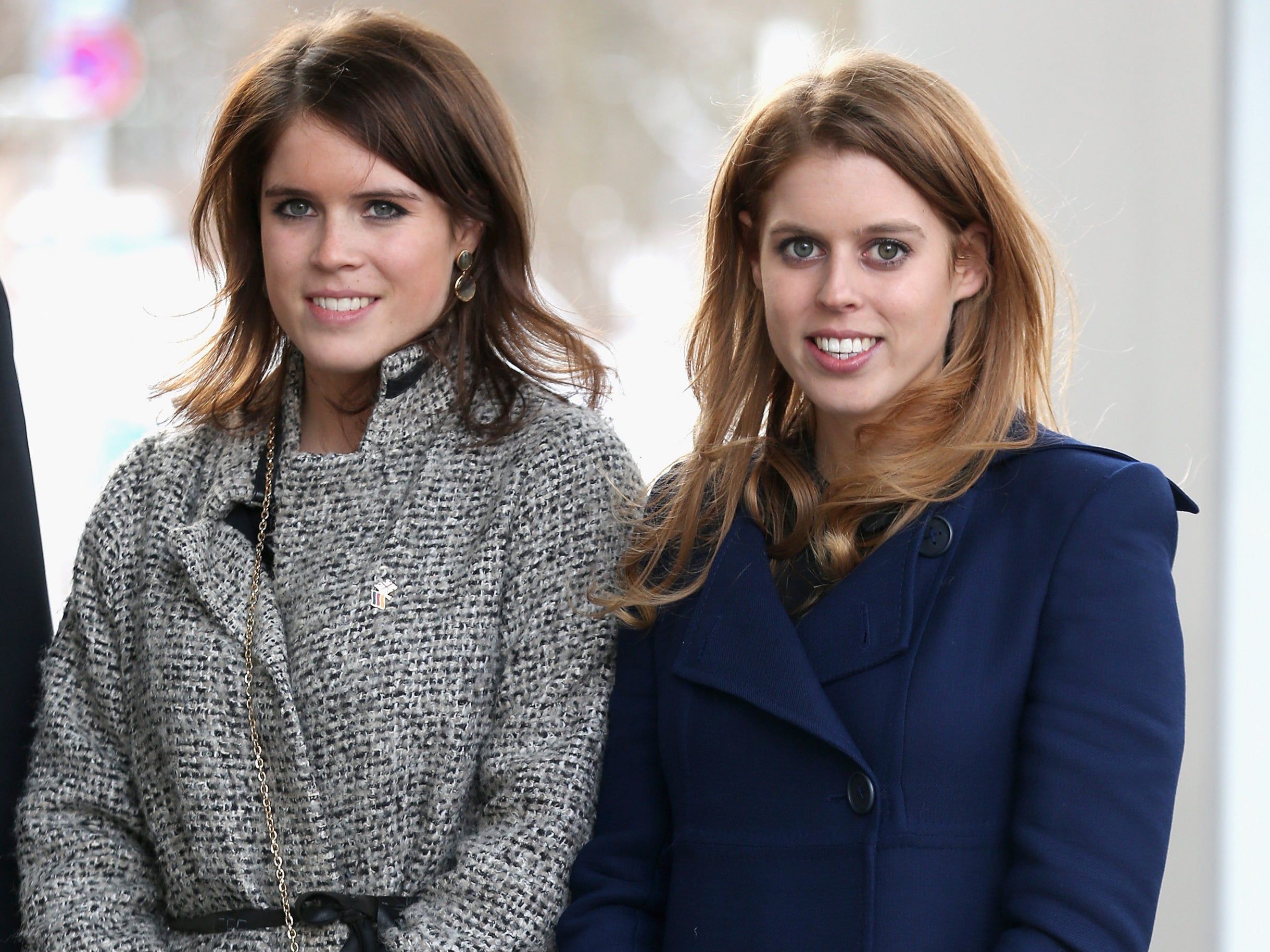
Giuffre was five years older than Beatrice. I don’t truly care for the argument that the colossal advantages the princesses have been afforded in their lives somehow exempt them from having sympathy. Beatrice has two daughters, and Eugenie two sons. What role will their grandfather play in their lives? What will they be allowed to know of him?
To my mind, though, there is only one course of action. In the United States, we know that it is relatively common for people in their twenties and thirties to estrange themselves from a parent, most often a father, in what is known as “going no-contact”, and that usually the rift is not permanent. Family estrangement – the process by which family members become strangers to one another, like intimacy reversed – is still somewhat taboo.
I read about one American social worker who provides a website on which you can take a “toxic family test”, which measures your family on a 100-point toxicity scale. I’m not sure where the Yorks would fall on this metric, but surely they cannot be at the lower end.
So, princesses, cut Andrew out of your lives. For your own sake. The poet Philip Larkin was on the money about the legacy most parents leave for their children. But in this case, perhaps he has undersold it.
Join our commenting forum
Join thought-provoking conversations, follow other Independent readers and see their replies
Comments
Bookmark popover
Removed from bookmarks