I swapped consistency in the gym for a variety of exercise styles and have never felt better – experts explain why
Boredom prevents many people from sticking to a new-year fitness plan, so could a variety of classes, challenges and exercise styles be the answer to staying fitter long term? Here’s what experts say
When it comes to improving your physical fitness, there's one word that trainers, health experts and experienced gym-goers will bring up again and again: consistency. In fact, as a fitness writer who speaks to health experts almost every day, the most common piece of advice I hear is that staying consistent with a workout routine is absolutely key to making progress.
As such, I meticulously followed a strict workout plan for years. I dedicated myself to CrossFit workouts, usually at the same time, on the same day, four times a week, barely missing a session for over three years. And it worked. I was stronger and fitter than ever, regularly hitting personal bests and experiencing those coveted post-exercise endorphins. I was so disciplined with my routine that motivation wasn't even necessary, for the most part. I did my workouts because that was simply what I did to feel good in my body and mind – they were non-negotiable.
Then one day, I woke up and I really didn't feel like going to the gym. Usually, I'd force myself there, but when I did, I found myself bored by my usual training and craving something new. I'd started dabbling with different types of movement – reformer Pilates, yoga and tennis, for example – and realised I'd much rather be doing something other than my usual CrossFit workouts.
So, that's what I did. I cancelled my expensive gym membership, and instead, signed up to the app ClassPass, which uses a credit system that allows you to attend a range of different studios. This allowed me to explore new workouts and I also purchased a cheap membership to my local gym so I could keep up with some strength training – both for my ego and my muscular health.
 I tried the walking method that offers ‘10 times the benefits’ of walking 10,000 steps per day
 Five days in the furnace: What it’s really like to run the Marathon des Sables
 I tried training with one of the fittest women in the world – and it didn’t end well
 A flexibility expert shares his three favourite stretches for soothing tight hips
One year later, my exercise routine is more varied than ever. There's no such thing as a standard week of movement. I might strength train on a Monday, take a reformer Pilates class on a Tuesday, do some gentle yoga on a Wednesday, play tennis on a Thursday and go for a long bike ride on the weekend.
As well as making myself a very good candidate to create a fitness remix for Craig David's 7 Days, mixing up my workout routine has helped me to enjoy exercise more than ever. I rarely struggle with motivation and I find pretty much every workout I do exciting because I know it's the only time I'm going to do it that week, so it's rarely a drag to make time for it.
Varying my routine also means I can actually listen and respond to how my body is feeling day-to-day and week-to-week. If I wake up and feel low on energy, I'll often switch out the strength training session I planned for something more laid back like yoga. Some weeks – often in line with the various stages of my menstrual cycle – I'll do lots of high-impact movement, whereas others I might not do any.
I'm still prioritising at least two resistance training sessions per week, whether they take the form of weightlifting, Pilates or at-home routines. That's because strength training is crucial to long-term health and reduces the risk of various diseases and I want to increase my chances of being able to keep moving without pain or difficulty for as long as I can.
Although I'm not following a specific programme like I was previously, I don't think I'm less strong or fit. Granted, I probably can't deadlift as much as I could before because I'm not regularly testing my one-rep max. But I can still rep squats with a decent amount of weight on the barbell, and I've improved other areas of my physical fitness, such as my mobility, stability and balance. Trying lots of different activities also means I'm more adaptable, and I've noticed that this has had a really positive effect on my cardiovascular health. Other than that, I'm very flexible with my schedule. And despite my lack of discipline, I still find that I exercise most days.
Another thing that prioritising variety in my training schedule has taught me is the joy of trying something new. Over the past year, I've taken part in workouts and sports I never would have considered before. From jiu-jitsu, to gymnastics and calisthenics, I always make time for new activities in my schedule, even if I know I won't be good at them, or don't plan on trying them again. This has transformed my approach to movement and helped me see moving my body as, first and foremost, a way to have fun, something I think myself and lots of other people might lose when we're so strict with our exercise routines.
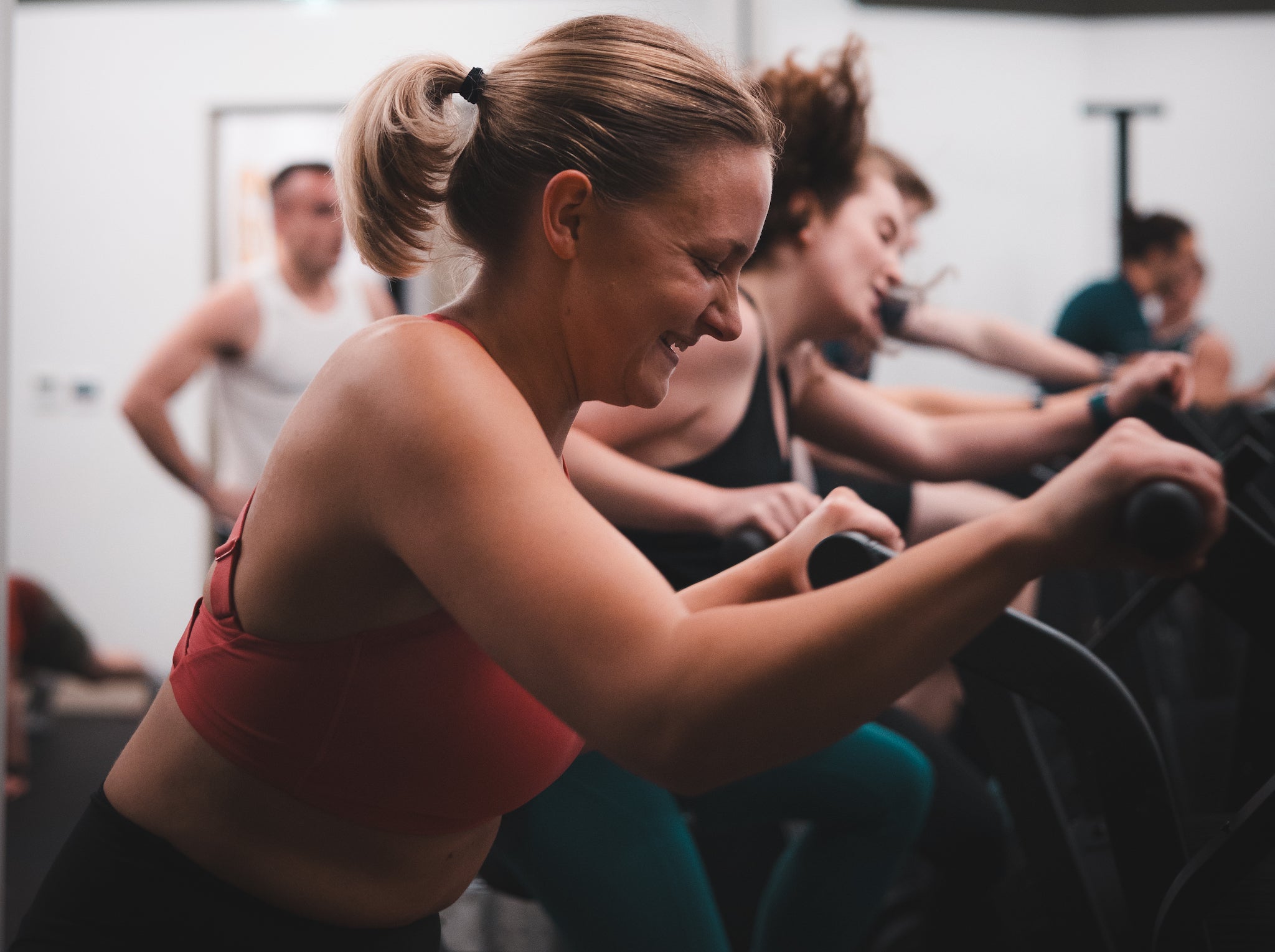
Why is consistency considered key to working out?
The reason working out consistently is important is because, as you probably know, you can't develop six-pack abs after one workout or become a marathon runner after just a week of running. Developing your strength and fitness takes time and effort. If you have specific goals, whether they're performance or appearance-based, it might make sense to stick to the same activity in order to achieve them.
The most popular method to build strength is called progressive overload, which involves doing the same moves regularly, and increasing their intensity over time. This is one of the reasons a consistent programme is considered so important for building strength.
Senior lecturer in sport and exercise science at Sheffield Hallam University and strength training expert Dr Lee Bell explains that consistency is important for athletes and people with specific goals. "We're playing with this delicate balance between consistency, impatience and monotony," Bell explains.
"We don't want to approach training too much like it's entertainment, where every single session is something completely different, because we're not allowing that ability to optimise these neural adaptations and the progressions that we want to see from training," he adds.
These adaptations and progressions can be skill-based, such as increasing your one-rep max, or physique based, such as increasing your overall muscle mass. If you have specific goals like these, a consistent training programme can be important.
What are the benefits of adding variety into your workout routine?
If your main focus with exercise is to maintain or improve your strength or fitness, but you're less strict with particular goals, a varied training schedule could actually be more beneficial. "I think it's a clever way of training," Bell says. "Unless you are an athlete that's at the top of your game and you are chasing very, very specific adaptations that transfer to competition [...] I would go with variety every time."
There are actually many benefits to a varied exercise routine, not least enjoyment. One of the best things about adding variety to your routine is that it will keep you motivated, which is one of the most common reasons most people struggle to exercise regularly.
"Switching things up, acts as a bit of a revitaliser," Bell says. "If we're working with someone who is training really, really hard and doing the same thing over and over again, eventually they'll burn out and monotony and apathy are big signals for burnout."
In contrast to what many people believe, you also don’t have to exclusively lift weights to grow muscle mass. Variety can help here too. According to Bell, the average person doesn't need to strength train extremely often to see improvements in their muscle mass.
"For most people, we can improve on one session per week," he says. The NHS recommends two resistance training sessions per week, and Bell agrees that two or three sessions is more beneficial, adding that: "You can certainly improve on two sessions a week. At the very worst, you would maintain the strength that you've got.
A varied exercise routine can also help to improve your overall health and fitness, which will improve your long-term overall health. "If we are limiting ourselves to a very narrow number of exercises, there are lots of important things that we're missing out on," Bell says. "If all we do is lift weights in the gym, we're not necessarily getting the cardiovascular benefits. If all we're doing is running, we're not necessarily getting muscular strength."
Personally, I was worried that varying my exercise routine so much might lead to me getting injured. But Bell says that the opposite is true, as doing the same type of exercise often – particularly when strength training – can be detrimental.
"If all we're doing is loading the muscles and the connective tissue for the same range of motion [...] we are eventually going to end up with an overuse injury," he says. Adding variety to your routine can help you build strength in a range of different muscles and ensures you avoid repetitive movements too often.
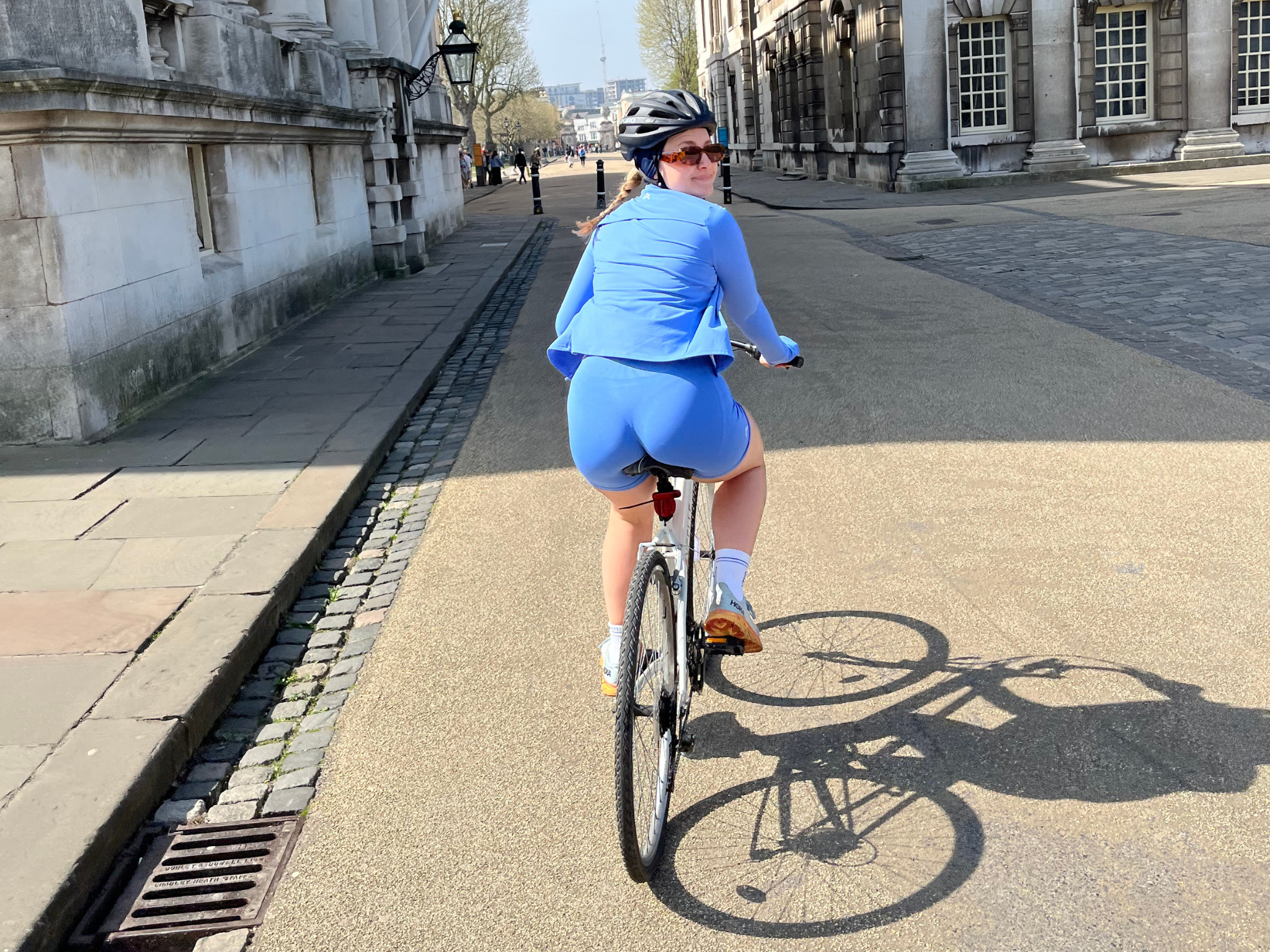
Why treating movement like play can help you improve
Adding variety into my exercise routine has helped me embrace movement in a fun way, like I might have when I was a kid. Darryl Edwards is an exercise physiologist and the founder of the Primal Play method, which is all about approaching exercise with your inner child in mind.
”Too many people associate movement with guilt and grind. But when you introduce play you rediscover freedom," he tells The Independent. "Think about dancing on the dance floor at a wedding versus doing a set of 10 burpees – one triggers powerful brain chemistry in relation to joy, the other is more of a duty."
Edwards encourages people to think about how they can add an element of play into their exercise routine and he says variety is crucial to this. "The brain craves novelty and that release of the feel-good hormones keeps you motivated," he explains, adding: "Movement diversity is like nutrient diversity for the body. Think of a plate of nutrients – different colours, different flavours, different benefits for the body and the mind. We should also think about a movement plate – different actions feed different systems."
Edwards believes that joy is crucial to a sustainable exercise routine and that an approach purely bred from discipline isn't good for our brains or our bodies. "Being excited shouldn't feel like a luxury – it should feel like the fuel to promote physical activity," he says.
Movement is good for you, whatever form it takes
Developing a varied exercise routine has helped me to enjoy movement more than ever. But I also know that I have the time, budget and general level of physical fitness to accommodate that, which might not be the case for everyone. That being said, you don't have to do something new every day or buy expensive classes to experience the benefits of variety in your workout routine. Simply taking the pressure off and being open to exploring what feels good for you can help.
"Most people don't achieve the minimal recommendations of exercise anyway, and if we make that a very regimented, very strict and very narrow approach to exercise [..] then eventually people go, ‘this is not for me’," Bell says.
Although you might see people on social media getting up at 5am to train for a marathon, or making HYROX their part-time job, you don't need to train like an athlete to be healthy and fit. I'm by no means the strongest person in my gym, the most flexible person at my yoga class, or the best tennis player at the courts – but I'm healthy and fit. I absolutely love exercising and have a healthy relationship with it. The fact that I have more choice over the type of exercise I do and when I do it has been crucial to that.
"Having that ownership is motivation in its own right," Bell says. I could not agree more. I might not be consistently doing the same form of movement nowadays, but I'm consistently exercising in a way that I enjoy, and that's what matters.
Take a smarter approach to feeling good. Sign up to the Well Enough newsletter for evidence-based wellness insights.
Join our commenting forum
Join thought-provoking conversations, follow other Independent readers and see their replies
Comments
Bookmark popover
Removed from bookmarks