Can you biohack your skin and reduce its biological age with collagen? Here’s what the experts say
We lose one per cent of our collagen every year, but experts say that it is possible to bank it as we go and make withdrawals later on, and even rebuild it. So is it really possible to biohack your skin? Emilie Lavinia investigates

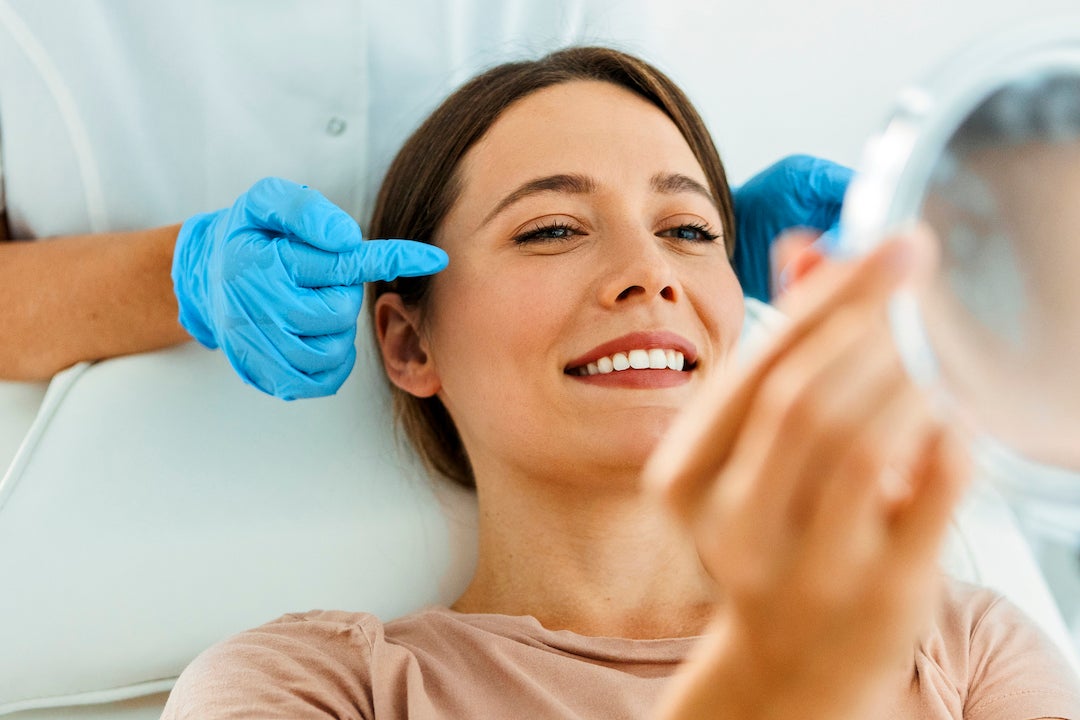
We lose collagen every year and this is a normal part of growing older – or is it? We now live in an era where experts talk about “banking” collagen in the same way financial advisers talk about building up a pension. The more collagen we bank, the more youthful we stand to look in midlife and beyond, and the more supported our skin, joints and muscles will be. Well, that’s the theory.
As though this weren’t an enticing enough concept, some experts suggest we can even rebuild lost collagen, extending the healthspan of our skin and reversing its biological age.
I’m fascinated by what evangelists and longevity doctors call “biohacking” and am always curious about how far certain practices actually support cellular health and what’s just snake oil and cherry-picked data from fairly conclusive studies.
Collagen regeneration is the latest biohacking trend and it intersects with the somewhat controversial landscape of anti-ageing and aesthetics. While anti-ageing is about looking good for longer and longevity and biohacking are about feeling good for longer, in some ways, you can’t really separate the two. If you’re going to rebuild and bank the collagen in your face, it will reduce the biological age of your skin, but naturally, you’re also going to look younger. So, although collagen is now recognised as a marker of biological age, cellular vitality and long-term skin integrity, banking it and rebuilding it is also about looking great.


Can you restore lost collagen?
Collagen is the most abundant protein in the human body, comprising nearly 30 per cent of our total protein content. It forms the scaffolding that supports our skin, joints, bones, and connective tissue. But from our mid-twenties onwards, it’s generally understood – based on the findings from a 2006 study – that collagen production begins to decline by around one per cent each year. By the time we reach our forties, the effects are visible – loss of elasticity, fine lines, thinning skin and structural sagging that can’t be reversed with face cream.
The mechanisms behind this decline are both intrinsic and extrinsic. Intrinsic ageing – our genetic clock – naturally slows fibroblast activity (the cells responsible for producing collagen, elastin and hyaluronic acid). Extrinsic factors like UV radiation, smoking, pollution, stress and poor nutrition accelerate the process through oxidative stress and inflammation, breaking down existing collagen faster than the body can rebuild it.
“Collagen is the structural protein that gives our skin its strength, elasticity, and firmness,” says Dr Sheila Li, aesthetic clinician and founder of Mediject Clinic. “As we age, collagen production naturally declines, but there is a great deal we can do to protect what we have and support the body in building more.”
She adds: “Daily sun protection is essential, as UV exposure is one of the most significant contributors to collagen breakdown. I also advise patients to avoid smoking, limit alcohol and nourish their skin from within with a diet rich in vitamin C, antioxidants and amino acids.”
The idea that prevention is better than cure is king when discussing health and ageing. Living well and taking good care of yourself has always been more effective than filling and freezing your face until you look uncanny and unwell, and experts like Dr Li always advise healthy habits to prevent skin damage before trying to treat skin damage.
However, the field of regenerative aesthetics is bridging the gap between cosmetic dermatology and cellular biology, and now, new innovations have broached the question: what if we could actually turn back the clock and reverse skin damage altogether?
Read more: How to start weight training – with this simple formula for strength and longevity
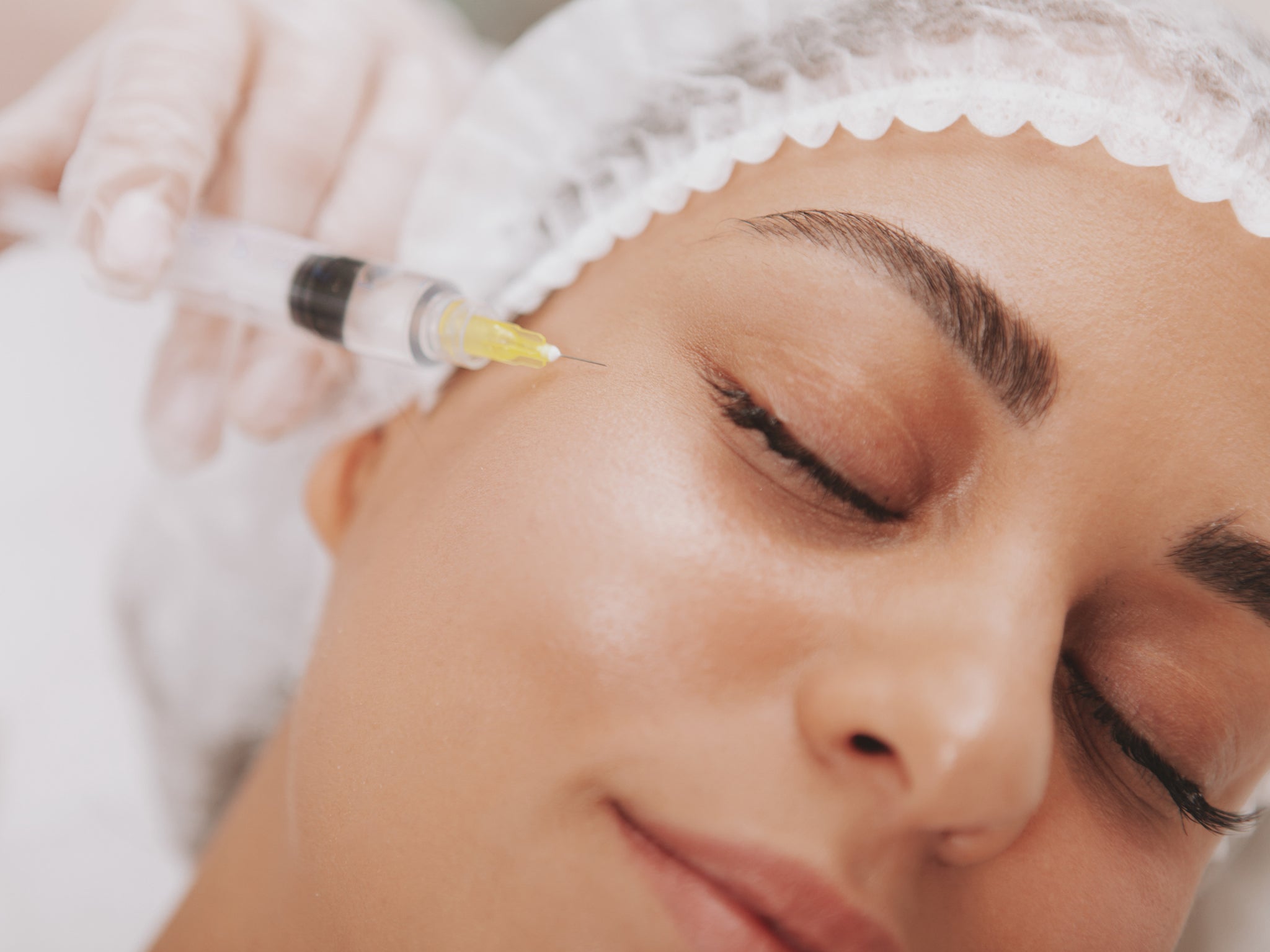
The buzzword of the day is “bio-stimulation”, whereby skin-boosting injectables activate the skin’s innate ability to repair, rebuild and reverse signs of ageing at the cellular level.
“When it comes to stimulating new collagen, regenerative injectables can play a powerful role,” says Dr Li. “Unlike fillers, which simply add volume, these work by activating the skin’s natural fibroblasts to rebuild collagen gradually. This approach strengthens the skin over time, improving elasticity, texture, and resilience in a way that feels natural, not artificial.”
Instead of filling lines with a gel that eventually dissolves like derma-fillers, biostimulators – typically made from poly-L-lactic acid or calcium hydroxylapatite – are said to trigger the body’s own collagen synthesis. Over several months, the skin gradually regains density and firmness.
“This isn’t about masking ageing, it’s about restoring the skin’s internal architecture and reinforcing what time and stress may have worn down.” says Li.
This regenerative process is a slow burn, however, and it takes a while. Unlike filler, it won’t provide immediate results because it has to get to work. Which begs the question, does it actually work?
Can you reduce your skin’s biological age?
A treatment like Julaine’s efficacy lies poly-L-lactic acid (PLLA) – a biocompatible, biodegradable compound, originally used in dissolvable sutures. When injected into the dermis, it is said to act as a temporary scaffold, stimulating fibroblasts to produce new collagen over several months. The particles themselves are gradually absorbed, leaving behind freshly synthesised collagen fibres that strengthen the skin’s matrix.
Dr Li explains: “Many treatments promise longevity, but they rely on temporary effects, surface hydration, swelling, or short-term volume. Julaine, for example, is different because it is regenerative. It works with your body, not against it, by stimulating natural collagen production deep within the skin.”
But what about if you can’t afford an expensive in-clinic treatment to help you bank and regenerate your collagen? In the booming world of wellness, collagen powders, drinks and capsules have become a staple, often marketed as an effortless route to firmer skin. But are they scientifically sound? And will they provide the same results?
“Collagen supplements can be a helpful addition, but they are not a standalone solution,” says Dr Li. “What they provide is support, the amino acids and nutrients your body uses to build and repair collagen. That said, supplements work best as part of a broader, more intentional routine. I often recommend them alongside a diet that supports skin health, consistent skincare, and lifestyle habits that protect your collagen, like wearing SPF daily and managing stress.”
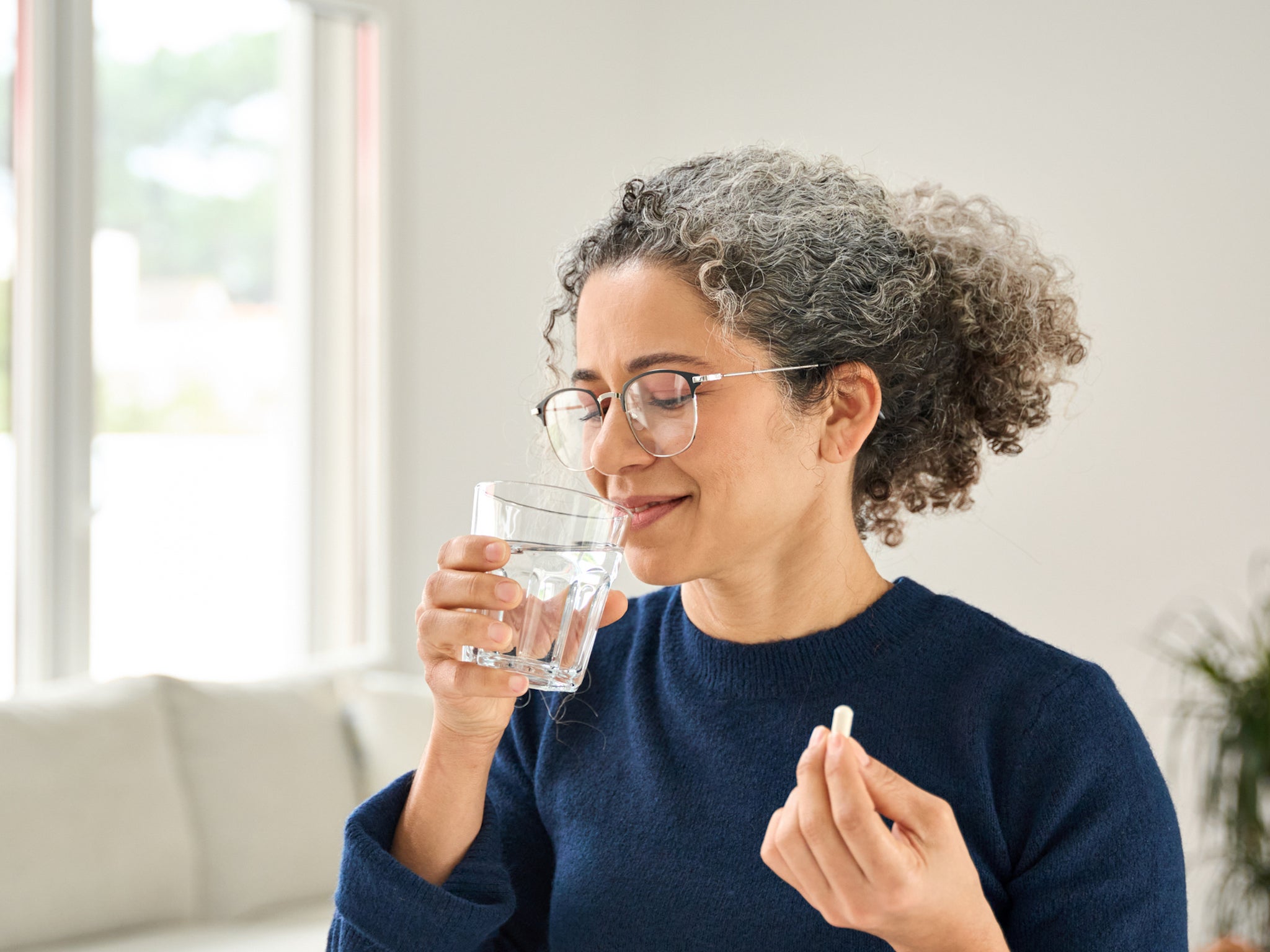
Clinical studies have shown that hydrolysed collagen peptides can improve skin hydration and elasticity in some individuals, but the effects are modest and variable. The peptides are broken down into amino acids during digestion – meaning the collagen you ingest is not the collagen that ends up in your skin. Still, these amino acids can provide the raw materials fibroblasts need to synthesise new collagen.
Dr Sach Mohan, cosmetic doctor and founder of Revere Clinics, says: “Of course, to rebuild lost collagen and elastin, the temptation might be to take collagen supplements that contain hydrolysed collagen. There are many different types available, including both marine and bovine collagen sources, in varying concentrations and with added ingredients. These are generally expensive, and the science for each one can be a little murky.
“There is no harm in dietary supplementation to improve collagen levels, but I would advocate consuming simple bone broths or taking an essential amino acids supplement as these are the building materials required by your body to make new collagen.”
Dr Mohan, however, does see regenerative treatments as part of a larger longevity movement. “Regenerative aesthetic medicine is part of a broader church that includes longevity medicine and biohacking, and I’m a fan. By making changes to diet and lifestyle and utilising regenerative technologies and biocompatible ingredients in aesthetic treatments, we can initiate changes at a cellular level. So-called ‘tweakments’ then become a much more powerful and sustainable tool for reversing ageing and maintaining future skin health.”
How to find out your skin’s biological age
You might be thinking, “Surely the biological age of my skin is just my actual age.” But the biological age of any organ can differ from chronological age due to the cumulative impact of oxidative stress, inflammation and environmental exposure. When I experienced the Neko body scan, I was happy to discover that my heart and lungs were still in their twenties, even though chronologically, I’m in my thirties. My skin on the other hand, was older due to lack of sleep, sun exposure and other variables.
“As we age, we all slow down a little, and the biological function of our skin is no different,” says Dr Mohan. “It will likely have suffered from years of both intrinsic and more readily extrinsic free radical threat, causing inflammation, collagen breakdown and hyperpigmentation, thanks to genetics, pollution, sun exposure and lifestyle choices like diet, alcohol and smoking.
“Left unchecked and without preventative measures like daily SPF, skin ageing accelerates beyond its biological age. Similarly, vital processes that produce collagen, elastin, and hyaluronic acid no longer occur as routinely as they do in youth.”
At his clinic on Harley Street, Mohan can test the mitochondrial health of skin before and after a regenerative treatment and chart the changes to the skin’s age as it repairs itself. In his patients’ before and after photos too, several look visibly younger after bio-stimulation treatments that he says have boosted their natural collagen levels.
Read more: Drug combo lengthens lifespan of old frail male mice by ‘remarkable’ 73 per cent, scientists find
Longevity vs. anti-ageing
As the beauty industry pivots toward longevity, terminology is also shifting. Anti-ageing implies resistance – a battle against time. Longevity reframes it as adaptation, resilience and repair. Anti-ageing is often aesthetic. Longevity is about how you live, how you feel, how your skin behaves over time.”
“Collagen is the framework of the skin, and maintaining it is about a long-term approach, not quick fixes,” says Dr Li, who warns that “not everything labelled ‘regenerative’ truly is”.
There is still a lack of clinical evidence behind many of the treatments currently marketed as regenerative. That is why it is so important to choose clinicians who understand what true regeneration involves, at a cellular and structural level, and who base their protocols on science, not trends.
This shift has cultural implications. Living longer is a goal for most people, however, no one wants to “look their age”. People want to look “well for their age”.
Dr Mohan agrees that this shift has cultural implications “as we remain active both socially and professionally for much longer and want to push aside the idea of ageing for fear of looking ‘past it’”.
By offering skin biohacking and regenerative tweakments, aesthetic medical professionals are offering people a way to look and feel better with treatments that they say improve skin health and function. It’s a long way from the facelifts of old, and the new face “lifes” are only going to get better with time.
Enjoying this? Sign up for Emilie Lavinia’s weekly wellness newsletter Well Enough for more insights
Join our commenting forum
Join thought-provoking conversations, follow other Independent readers and see their replies
Comments
Bookmark popover
Removed from bookmarks