The Independent's journalism is supported by our readers. When you purchase through links on our site, we may earn commission.
The Independent Group: A moment of destiny, or destined for the dustbin of history?
In Luton South, the local party chair quotes Trotsky to express his disgust at the defecting MP Gavin Shuker. But might history actually be on the side of the new movement, asks Adam Lusher

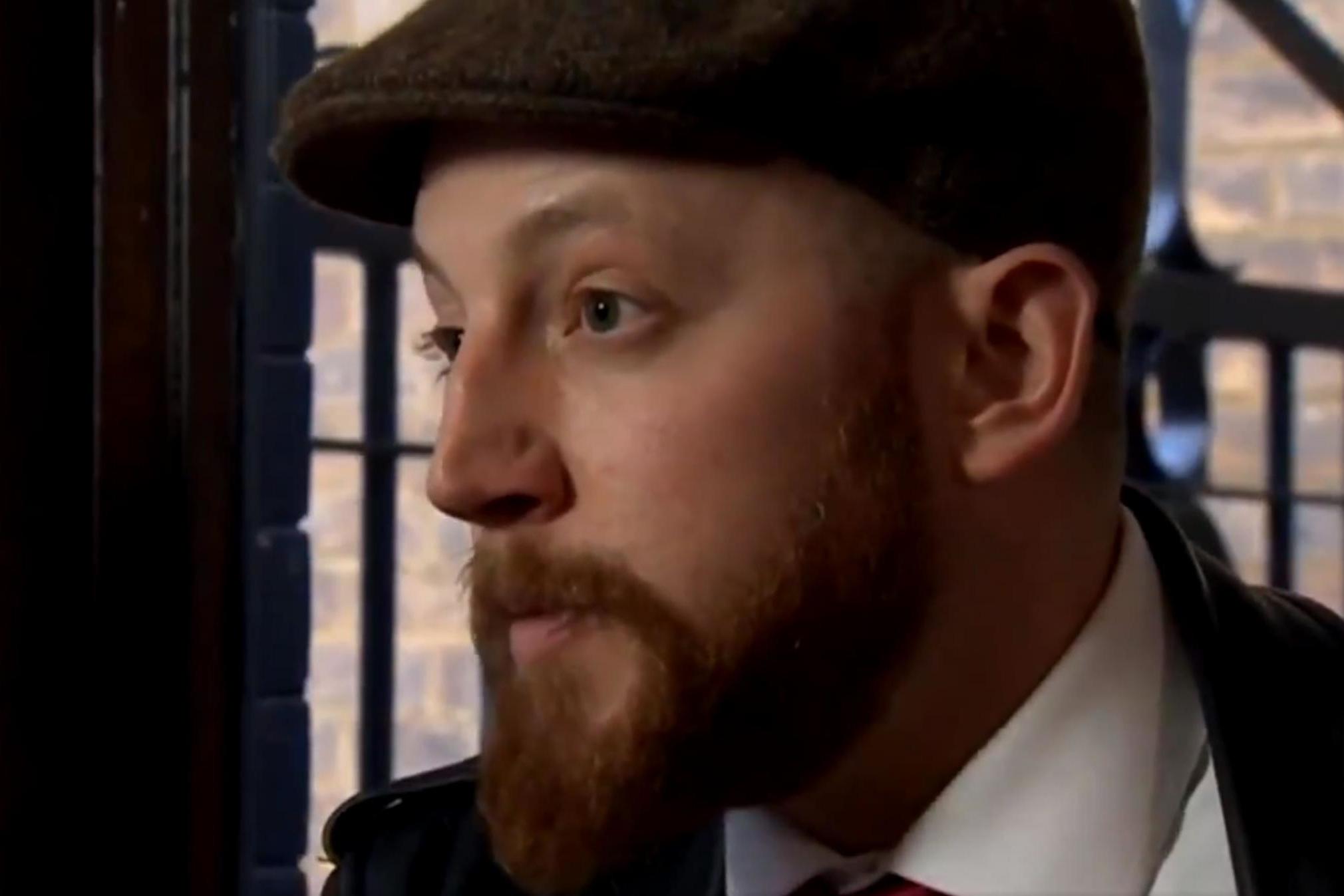
It’s not every day you get to rock a flat cap and give a Trotsky turn of phrase to the BBC News from Luton. But Markus Keaney, chair of Luton South Constituency Labour Party, managed it all this week, when he discussed his recently departed ex-comrade Gavin Shuker, the constituency’s MP.
Keaney looked forward to the day when the defector to the Independent Group would be “consigned to the dustbin of history” and “annihilated” by an official Labour candidate at a by-election. His words were uttered with the cold rage of a man who knows his local party committee procedure and is prepared to use it in the cause of “passionate new members enthused by the promise of a break from neoliberalism” – as he described the post-Jeremy Corbyn intake in his September Morning Star article, written after a no-confidence vote taken by party members against Shuker was carried.
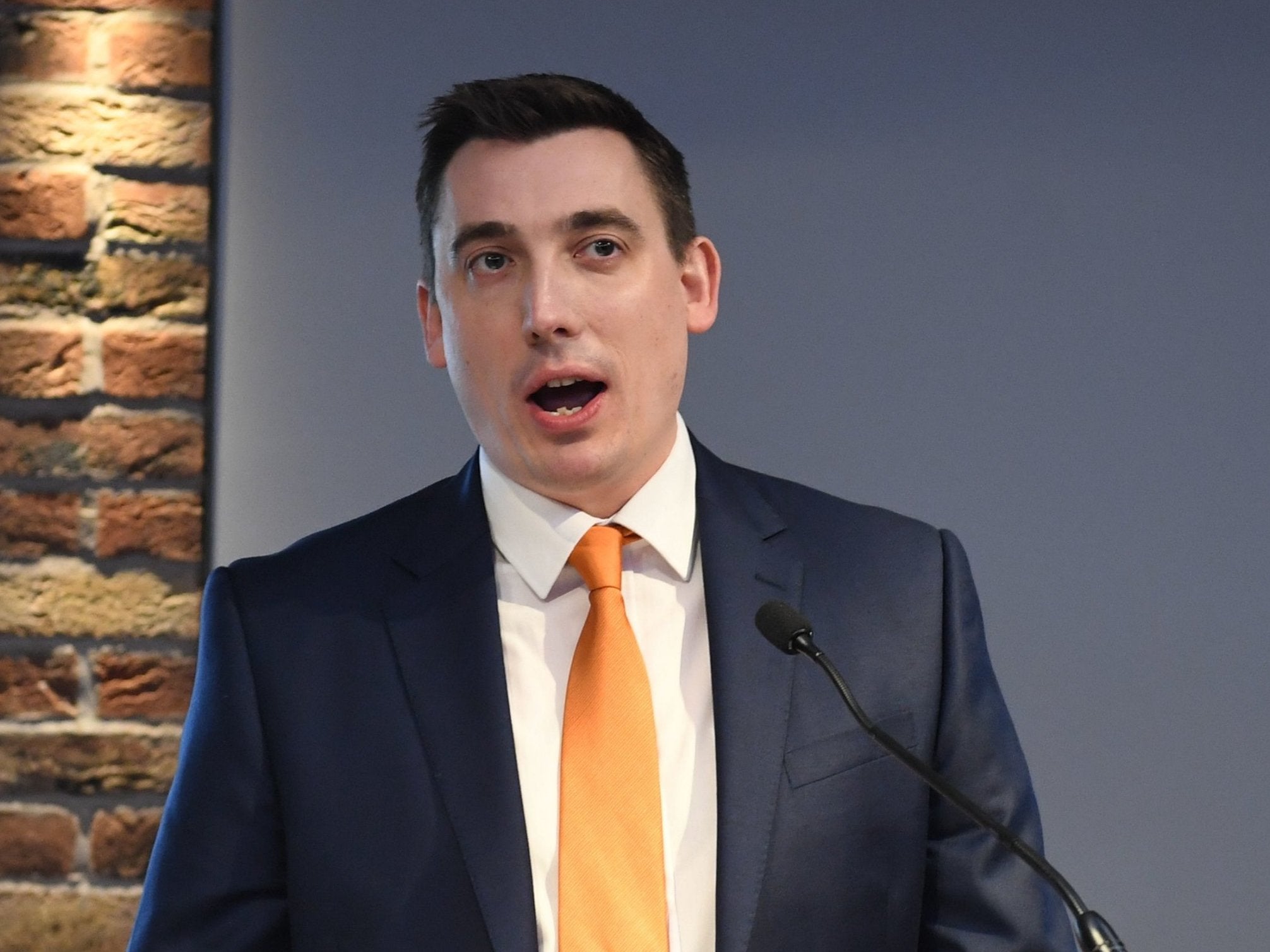
But, to refer to the context in which Trotsky popularised the “dustbin of history” line, who here were the doomed Mensheviks, and who the 1917 Bolsheviks arising to greet the new post-Capitalist dawn? As the Independent Group went cross-party with the arrival of three defecting Conservatives, were we witnessing the start of something like Emmanuel Macron’s French En Marche! movement? Or would Keaney still get his annihilation moment?

Could it be the Corbyn project that is doomed? Perhaps lessons could be learned in Luton, a town with some claim to being a bit of a bellwether. Until Shuker upset the trend by getting elected for Labour in 2010, the Luton South constituency had gone to the party that won the general election in every contest since 1951.
And with Luton South having recorded a higher-than-average 54.6 per cent Leave vote in the EU referendum, the MP may find himself having interesting conversations when he returns to his constituency to spread his message that Corbyn is “content to enable the hard Tory Brexit”.
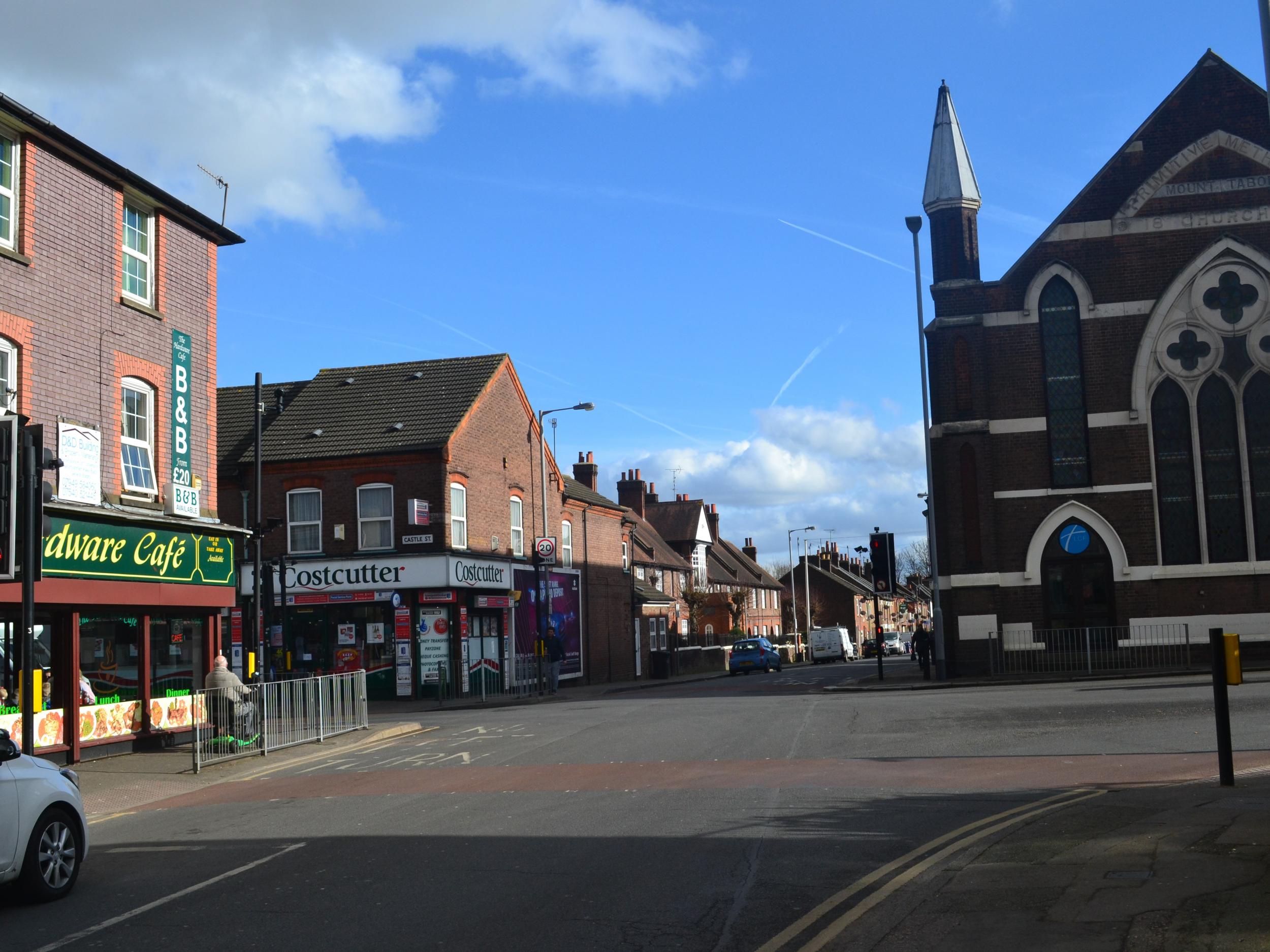
But before tackling the big, sexy Brexit challenge, Shuker might need to attend to more prosaic matters. Like reminding his constituents who he is. In the calm of a full English breakfast at the Hardware Cafe, Castle Street, what seemed to have filtered through to Luton South was felt not so much as political earthquake, more as slight ripple in the left-right continuum. Of the kind that could engender the response: “Gavin Shuker, the name rings a bell, is he an MP?”
People’s immediate, if half-formed, reaction also seemed to be disapproval of anyone who leaves their party. “Reneged on the Labour Party, absolute rubbish,” was the instant verdict of Paul Gallagher, a 50-year-old carpenter. “The whole way he has gone about it, waltzing out of the party. You never change things from the outside. He should stand his ground and try to f***ing sort it from inside.”
There might be another party we could vote for, with our vote meaning something, not the current dual system. A bit like the Gang of Four. That didn’t happen, did it? But I am a born optimist
And yet. The more you spoke to Gallagher, and his workmates, and others, the more you sensed a certain sympathy for Shuker and the points he was making about “abuse” in the party, about failure to oppose hard Brexit, and about Jeremy Corbyn.
Painter and decorator John Brydson, 68, initially described himself as a Tory-voting Brexit supporter. But it turned out the backstory was more tangled, in ways that might favour Shuker, not Corbyn. “I was Labour for 50 years,” said Brydson. “But when Corbyn came in, I changed to Tory. There will never be a Labour government while he is at the head of the Labour Party.”
He too didn’t like the way Shuker had left the party. “But yeah, I would vote for him, even though the way he went about it was wrong.”
There was a moment of reflection when you mentioned Keaney’s prediction that a by-election would see Shuker “annihilated” by an official Labour candidate. “I don’t think so,” said Mr Brydson softly.
Gallagher, meanwhile, seemed to be moving a long way in a short discussion, from “absolute rubbish” to “fair play to him”. He was an unwavering Labour man, he insisted: “All my life, working-class, always vote Labour.”
But when you put him on the spot, and ask him to pick sides in a by-election fight between Shuker and a Keaney-approved Corbyn Labour candidate, there was a long pause. “Christ, you would have to go with Shuker, wouldn’t you? You would have to go sensible. The bloke with the cap, a proper lefty, wasn’t he? Too much hatred in his voice, I thought.”
The more ardent anti-neoliberal Corbynistas may not wish to be reminded of the old aphorism that the Labour Party owes more to Methodism than Marxism. But it was impossible to ignore as you sat in the Hardware Cafe and pondered the new battle for the soul of British politics.
The view from the cafe windows was dominated by the Mount Tabor Primitive Methodist Chapel, built 1897, grandeur unfaded, the names of the Victorian worthies who supported the project carved in stone for all to see. Methodism still seemed to be triumphing over Marxism in 2019. Al Short, 51, social worker and Christian, arrived. He still believed in the ideals of 2015, when Corbyn was promising a “kinder, gentler politics”. He regarded the Labour leader as “a pretty principled, genuine kind of guy, who cares for the poor, offers a genuine alternative.”
And yet in a very gentle, very Christian kind of way, and despite his vote for Brexit, Short seemed to be warming to Shuker and this new Independent Group. “I am a Christian. Gavin Shuker is a Christian. I have a sense of rapport with him.”
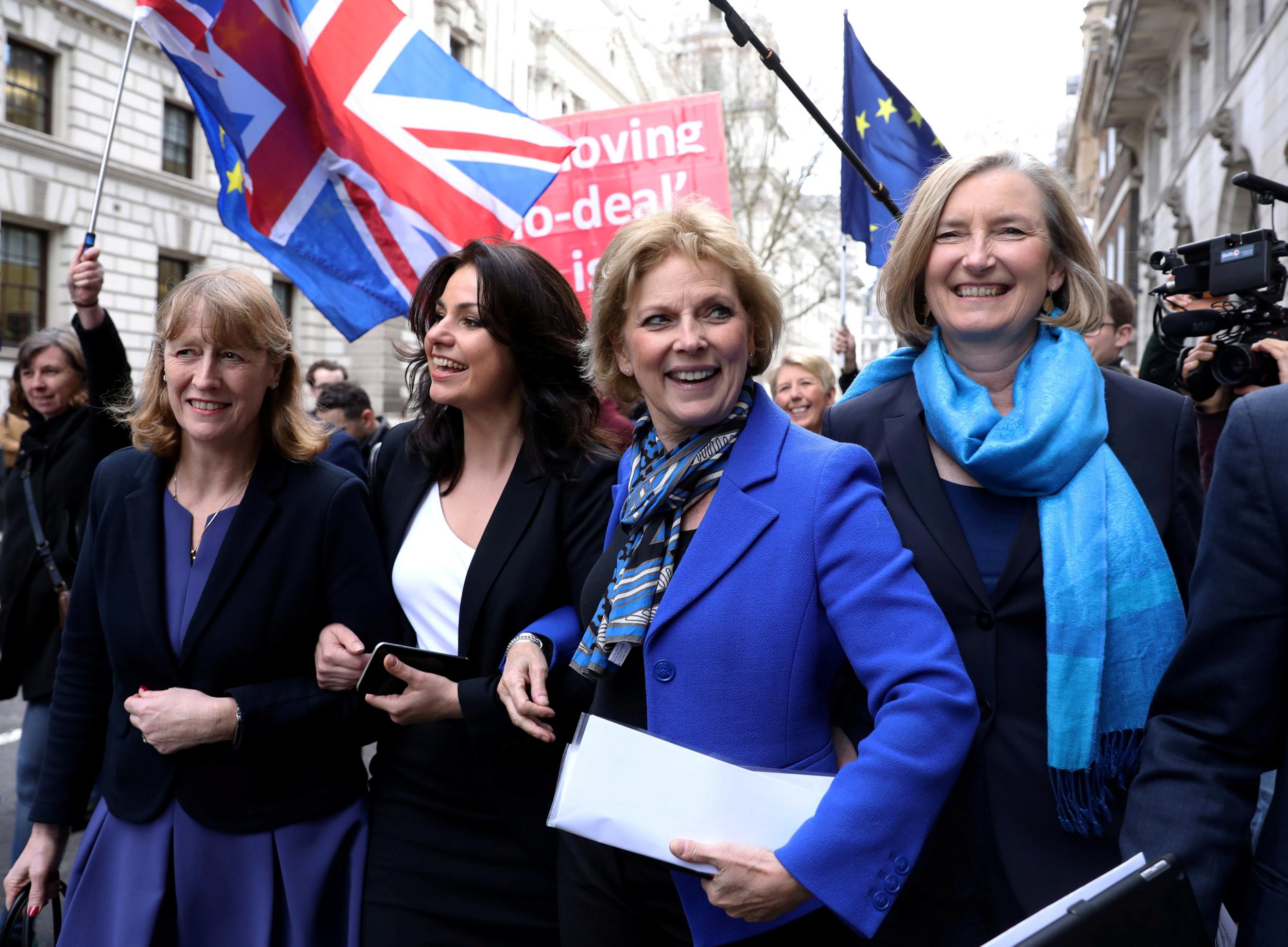
He even went as far as hoping the gang of 11 (and counting) could prove a more successful update of the Gang of Four, who for a brief 1980s flurry had looked as if they might reshape British politics by leaving Labour and forming the SDP.
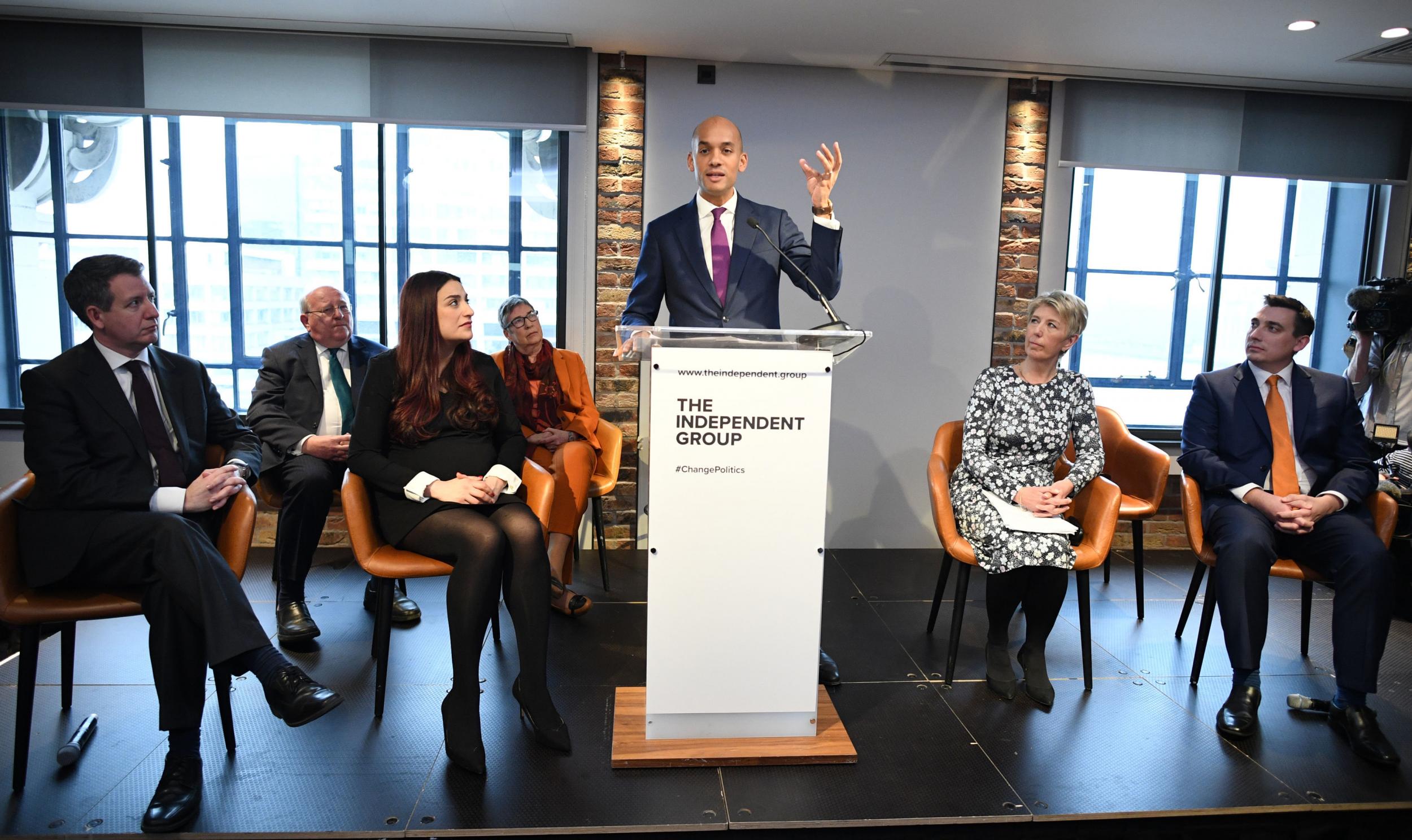
Short smiled, as if imagining a mildly exciting future: “There might be another party we could vote for, with our vote meaning something, not the current dual system. A bit like the Gang of Four. That didn’t happen, did it? But I am a born optimist.”
Shuker will face an altogether feistier proposition in Short’s support-worker colleague Lorna Calliste, 42, east London-born daughter of a Trinidadian mother, now a mum to four kids by an Irish builder, and a committed Brexit supporter. “No, no, no,” was the unequivocal response to Shuker’s talk of taking a stand against “hard Tory Brexit”.
But if Calliste wasn’t exactly brimming with excitement for Shuker and the Independent Group, she didn’t seem a natural fit with Corbyn’s Labour either. “Labour has gone silly. They want to let everyone in the country. Why can’t we have an Australian system where we let someone in if they have something to offer?”
In the Hardware Cafe, you began to sense that going against his constituency’s Brexit vote would not fatally undermine Shuker, and that, however fuzzily, other elements of what the Independent Group was saying had hit home.
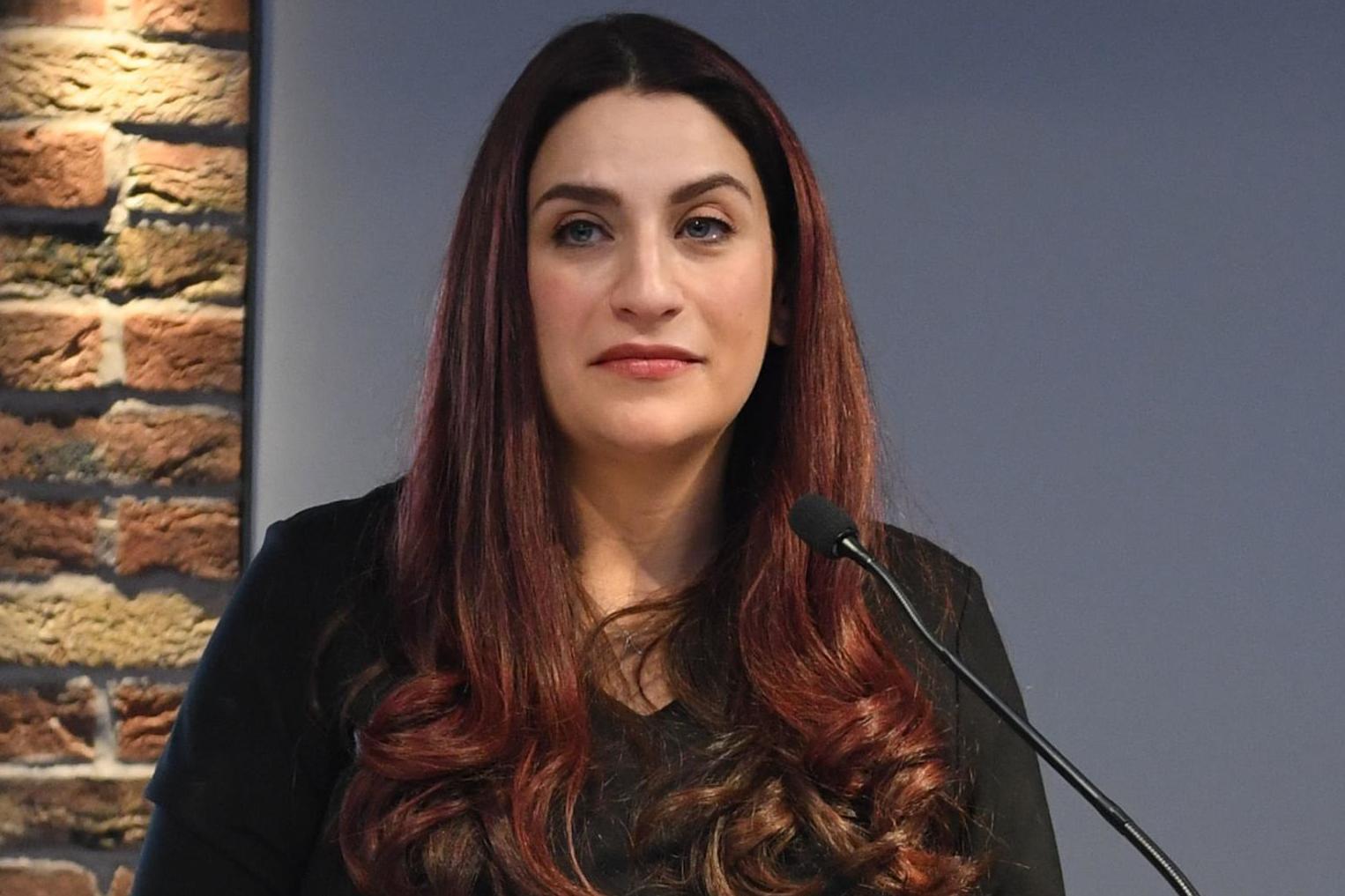
Luciana Berger may exist in the Luton South consciousness as “the lady with the dark hair”, but many agreed with her that “what’s happening with the antisemitism is disgusting”. And the notion that politics is “broken” sold itself.
Stephen McNeilly had been excited by politics, once. Now the 39-year-old electrician placed himself firmly in the camp of “the name Gavin Shuker rings a bell”. His disillusion with politics was a badge of pride, enlivened by references to Corbyn as “an absolute plank”; to Brexit as a “f***ing shambles”; to former Luton South MP Margaret Moran, whose life fell apart when she was caught “fiddling her expenses”.
My son, his friends, many young people: they don’t know what happened in the past, and they want to give Corbyn a try
And yet, in almost the same lament, McNeilly seemed to be crying out for someone to inspire him and all the others languishing in the ranks of the disillusioned. “There’s no Martin Luther King figure,” he said. “No one with fresh ideas, no one with a voice, to make people stand up and listen.”
Vividly expressed disillusion began to sound a little like an open invitation to Shuker and his Independent Group – all the more so when McNeilly turned to his own, conflicted feelings about having voted Leave.
“Every single thing I voted for – stopping immigration first and foremost – will be made null and void. We’re going to be financially crippled, kicked in the teeth. The dreadful thing is, I would want to reverse it and vote Remain.”
Perhaps all the conversations seemed to be running Shuker’s way.
But then, Edward, a rather thoughtful 68-year-old, looked up from his book, and wondered whether we might be seeing things through a bit of a mainstream media haze. “My son’s 29,” said Edward, “And, I think, rather fooled by Corbyn. Somehow Corbyn has got into young people, by young person’s media. I suppose I am a centrist dad. I’m so old I remember the Labour government of the 1970s that led us into trouble, into strikes.
“But my son, his friends, many young people: they don’t know what happened in the past, and they want to give Corbyn a try.”
But do they really, still? The University of Bedfordshire’s campus offered the chance of a probably wildly unscientific straw poll of the much-discussed millennial generation. It left you wondering whether the fever of Corbyn-mania may have cooled somewhat since the heady days of the June 2017 general election.

Kieran Nixon, 23, was president of the student union, but when he spoke in a personal capacity he began to sound like a lot of others on campus. He voted Labour in 2015 because his parents did. He voted Labour in 2017 because of genuine enthusiasm for Corbyn. “He kind of set up this persona,” said Nixon, “that he was new, fresh, ‘down with the kids’, articulate. I saw him going to festivals, saying he would clear the student loan debt.
“But now it just feels like it was a pipe dream. I don’t think I can see him being prime minister. He seems short of ideas, too quick to pass the blame to Theresa May. He doesn’t come up with any worthwhile solution to Brexit that could get accepted by Brussels.”
“Maybe,” said Nixon, recalling that summer when he was 20 months younger and Corbyn was at Glastonbury, “going to festivals doesn’t really say professionalism.”
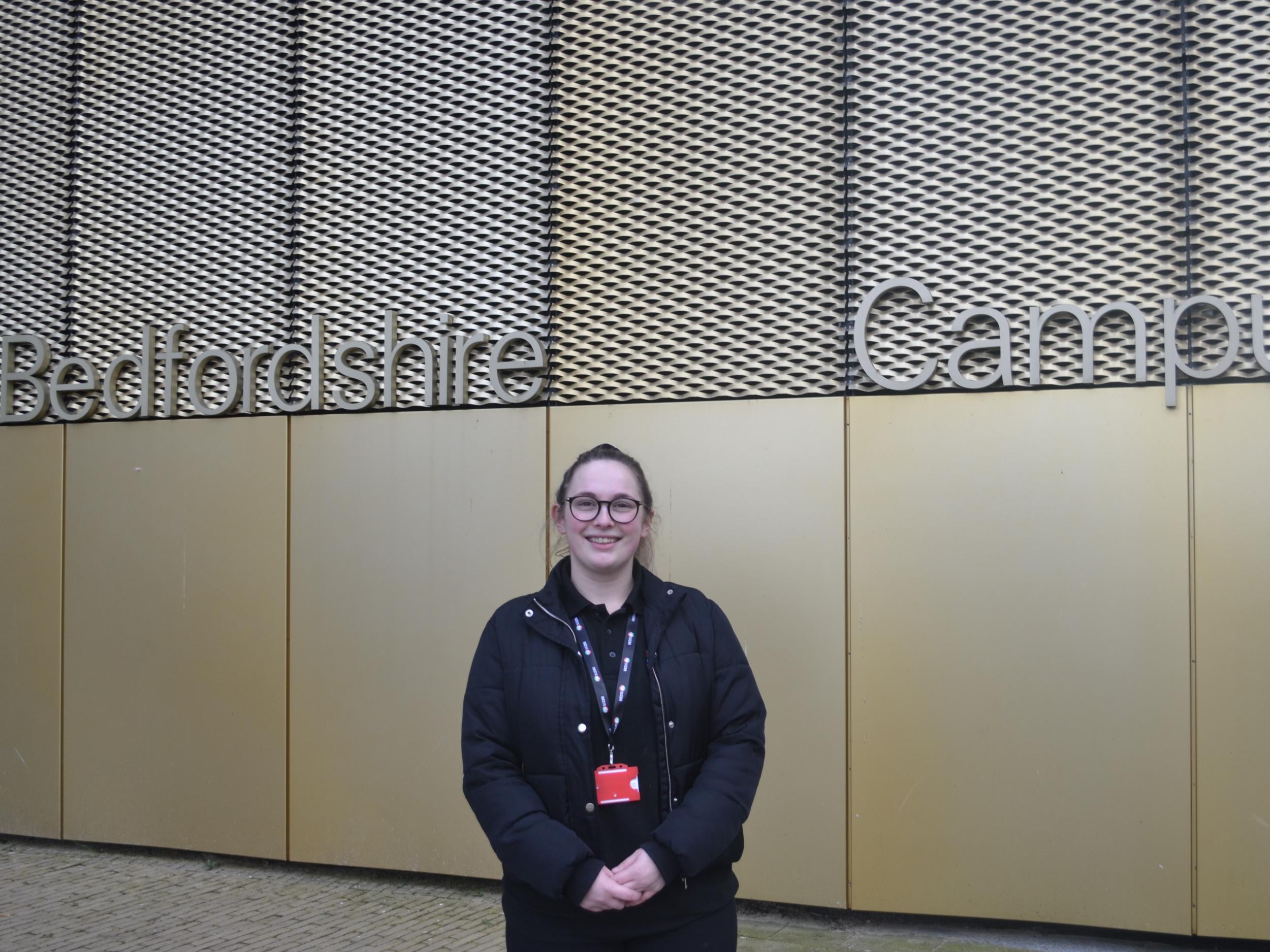
Daisie Johnson also liked the Glastonbury appearance, at the time. “Corbyn tries to talk to young people,” said the psychology and criminal behaviour student. “Which is more than you can say for Theresa May.”
But now, the full impact of the EU referendum – in which she was too young to participate – has hit home: “The world seems in turmoil, but I don’t hear much about Jeremy Corbyn opposing Brexit. That doesn’t seem to come up on the news feed. I’m probably more for this other guy if he is against Brexit and Corbyn isn’t.”
So no, Johnson didn’t know who “this other guy” Shuker was. And she didn’t really see how the Independent Group could turn a bit of House of Commons seating rearrangement into real change. “Where’s the majority to do anything? I don’t really get it.”
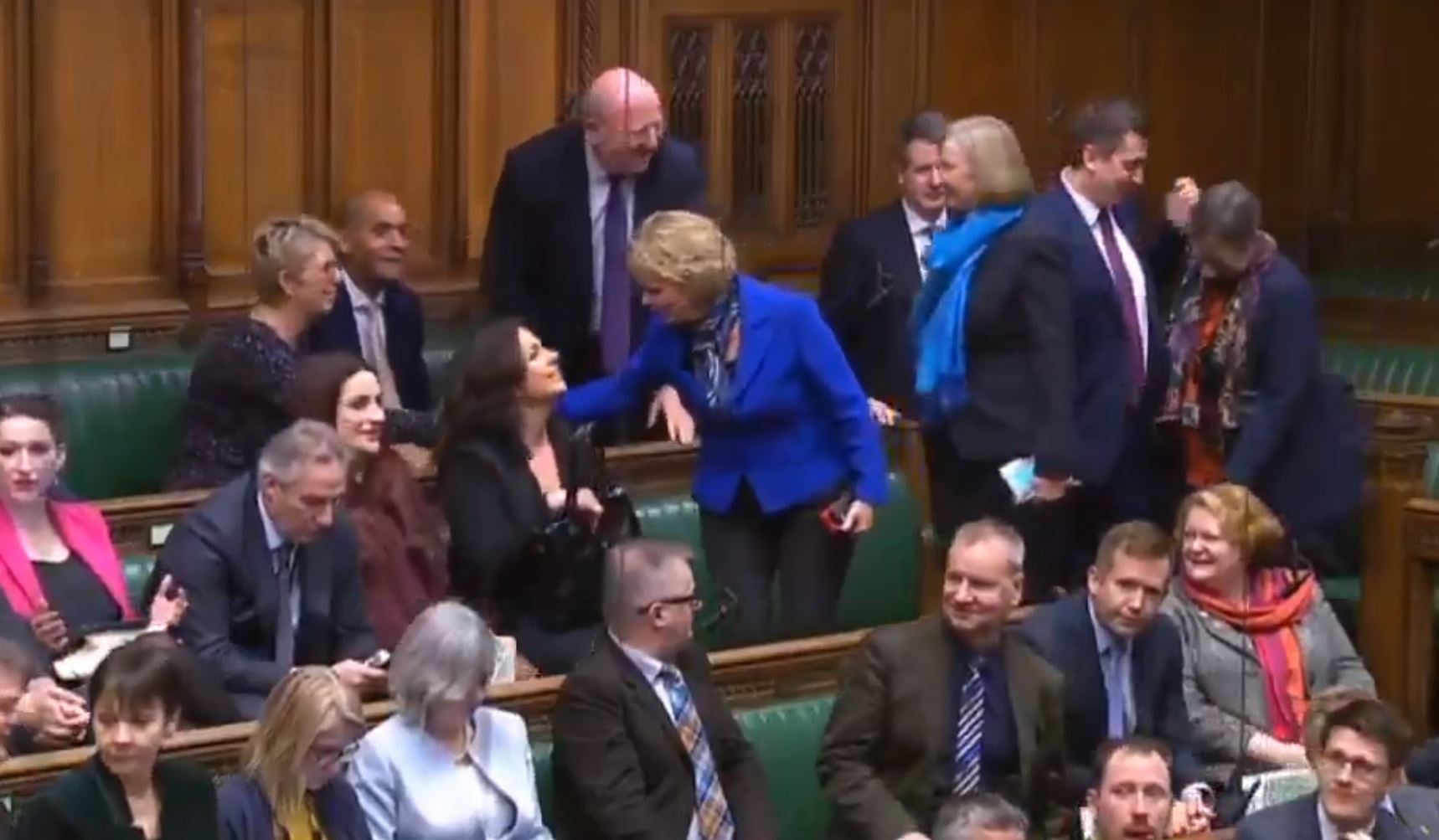
But nor did McNeilly really get it when we began talking, and now he was at least a little interested. “I’ll try to catch a glimpse of what he’s saying,” said the 39-year-old. “More power to the guy: a journey of 1,000 miles starts with one step.”
So what if that first step will be Shuker telling us who he is? They sneered at Macron to begin with, and he made it into the Elysee, avoiding the dustbin of history. Keaney might be annoyed, but perhaps Shuker can take comfort in the fact there was even a time when no one knew who Trotsky and the Bolsheviks were either.
Join our commenting forum
Join thought-provoking conversations, follow other Independent readers and see their replies
Comments
Bookmark popover
Removed from bookmarks