Compulsory digital ID plan axed as Labour makes another U-turn
New identity verification scheme aimed at deterring illegal migration is reportedly to become optional
Sir Keir Starmer has scrapped a key plank of his plans for digital ID, rowing back on the requirement to make it mandatory for right-to-work checks in yet another U-turn from the beleaguered Labour government.
The prime minister last year said Labour would introduce a digital ID system that would be voluntary in most cases but mandatory for right-to-work checks.
But the plans were thrown into confusion on Tuesday night after it was reported that ministers were rowing back on the compulsory element, allowing other digital documents to be used for right-to-work checks.
This brings the total number of U-turns made by Labour since the general election up to least nine – and by some counts 13 – and comes just days after the decision to provide additional support for pubs facing large hikes in business rates.
Just hours before the climbdown, health secretary Wes Streeting told a conference in London that ministers should aim to “get it right first time”.
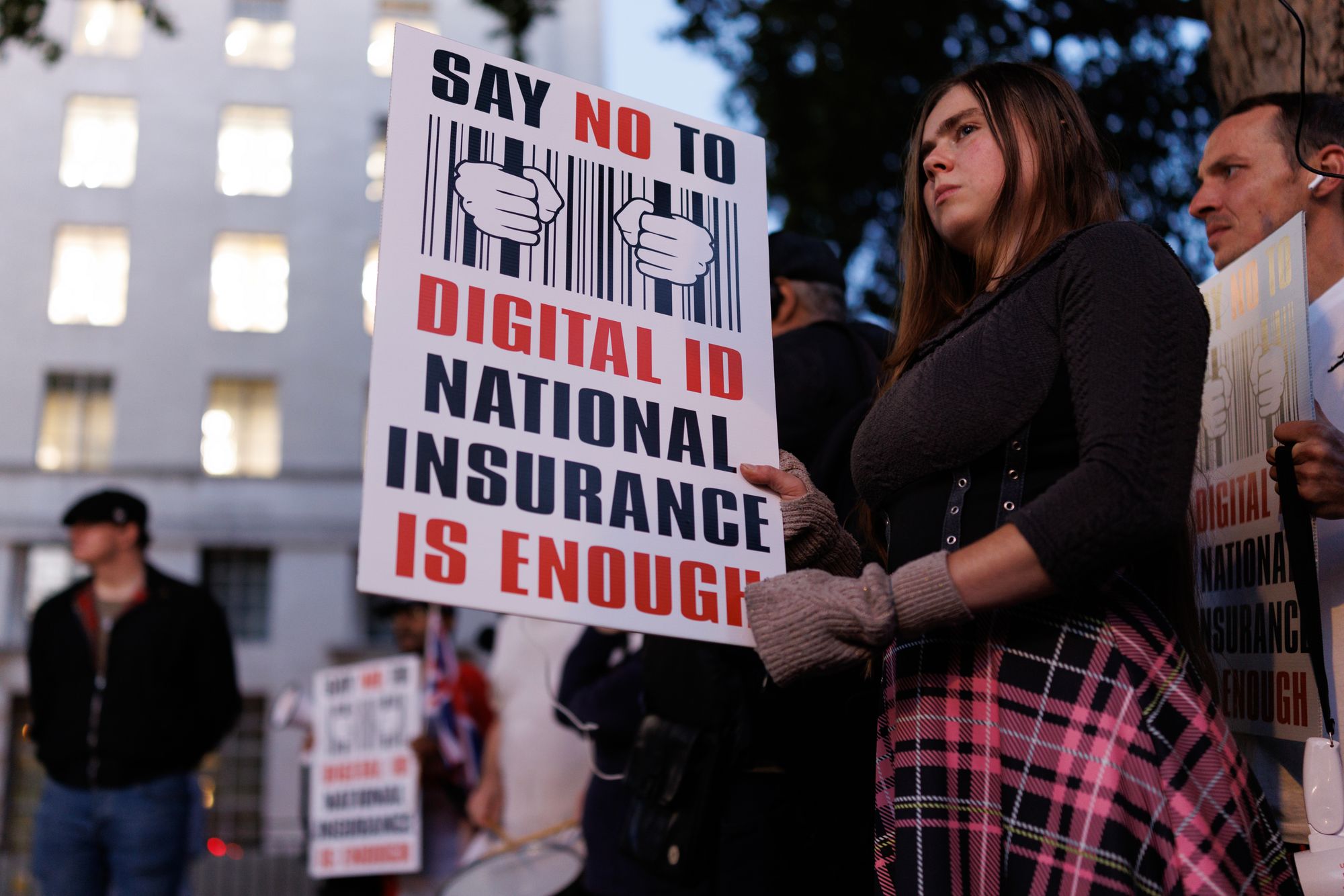
Civil-rights groups as well as Reform UK and the Conservatives had slated the idea of an obligatory ID scheme, which the government announced only four months ago to crack down on illegal migration.
Announcing the plan on the eve of last year’s Labour Party conference, Sir Keir said people “will not be able to work in the United Kingdom” if they did not have digital ID.
But on Tuesday, government officials insisted it had always been the case that details of the digital ID scheme would be set out after a consultation.
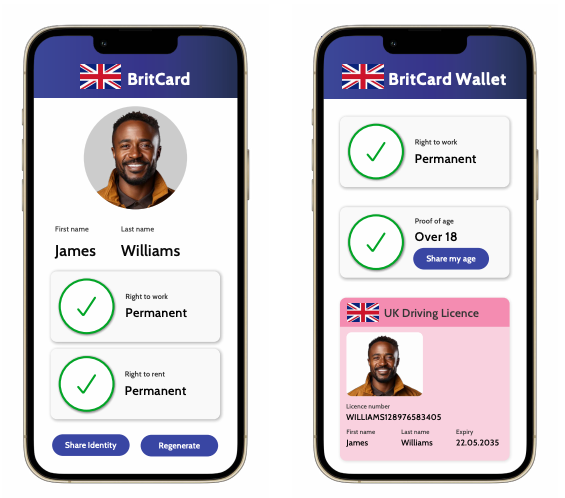
The change leaves open the possibility that digital right-to-work checks could involve other forms of ID, while the digital ID programme would be entirely voluntary.
Asked why the government has changed its mind on this, minister Heidi Alexander told Sky News: “We are committed to having mandatory digital right to work checks. Now that might be that someone has the digital ID that the government makes freely available.
“It’s on their phone, they can use that to demonstrate their right to work in the country.
“Equally, it might be the check of a biometric chip in a passport, which is digitally done.”
When it was put to her that the government is now on its 13th U-turn, she said: “I don’t accept that this government has done 13 U-turns. You know, some of those things that people are claiming weren’t even in our manifesto.”
Labour peer Lord David Blunkett said he was “disappointed but not surprised” by the U-turn, which he said is a result “failure to be able to annunciate why this policy mattered”.
“I’m not surprised because the original announcement was not followed by a narrative or supportive statements or any kind of strategic plan which involves other ministers and those who are committed to this actually making the case,” he told the BBC’s Today programme.

“As a consequence those who are opposed to this scheme for all kinds of nefarious and very different reasons, some of them inexplicable were able to mobilise public opinion to get the online opposition to it up and running.
“So very sadly, it’s an indication of failure to be able to annunciate why this policy mattered. To be able to follow through with the detail of how it would work and then to reinforce that by a plan and communication of action.
“And when you fail to do all of those things, it’s not surprising in the end that the thing runs into the sand.”
It comes after a government source told The Times the compulsory element of the scheme had been “stopping conversation about what digital IDs could be used for generally”.
The government has been under pressure to empty migrant hotels and reduce the number of small-boat crossings.
The source told The Times: “Stepping back from mandatory-use cases will deflate one of the main points of contention. We do not want to risk there being cases of some 65-year-old in a rural area being barred from working because he hasn’t installed the ID.”
Opposition parties, while welcoming the decision, have already used the U-turn to attack Sir Keir.
The Conservatives said Labour’s “only consistent policy is retreat” and the Liberal Democrats suggested Downing Street was “bulk ordering motion sickness tablets” to cope with so many changes of direction.
Conservative Party chair Kevin Hollinrake said: “Labour’s only consistent policy is retreat and it’s the public that are paying the price for a government defined by reversal.
“Labour entered office without a plan and now lacks the backbone to stand by their own decisions – lurching from one U-turn to the next as the consequences of their choices become clear.
“The country is living with the fallout of that weakness, and many voters will be wishing they could make a U-turn of their own on electing this failing Labour Government.”
Meanwhile, Liberal Democrat Cabinet Office spokesperson Lisa Smart MP said: “No 10 must be bulk-ordering motion-sickness tablets at this rate to cope with all their U-turns.
“It was clear right from the start this was a proposal doomed to failure, that would have cost obscene amounts of taxpayers’ money to deliver absolutely nothing.”
Support for digital ID collapsed in the wake of Sir Keir’s announcement, falling from 53 per cent in June to just 31 per cent in October.
A consultation due to start within weeks is expected to explore which verification checks could be used.
A government spokesperson said: “We are committed to mandatory digital right-to-work checks. We have always been clear that details on the digital ID scheme will be set out following a full public consultation which will launch shortly.
“Digital ID will make everyday life easier for people, ensuring public services are more personal, joined-up and effective, while also remaining inclusive.”
Join our commenting forum
Join thought-provoking conversations, follow other Independent readers and see their replies
Comments
Bookmark popover
Removed from bookmarks