Inside Iran’s hospitals where injured protesters taken to morgues while they still had vital signs
Doctors in Iran tell Independent Persian’s Amirhossein Miresmaeili they were prevented from treating wounded protesters and forced to log gunshot wounds as tumours or car accidents
This article first appeared on our partner site, Independent Persian
Iranian doctors have reported that during the uprising in Iran when streets across the country were witness to brutality and killing, Iran’s hospitals were not spared pressure from security forces.
Testimonies received by Independent Persian from doctors and medical staff across several cities in Iran indicate that medical centres, which should have been havens for the wounded, were, in some cases, turned into places where treatment was denied, and where patients were concealed, arrested or even deliberately killed.
A consultant working in Isfahan, who spoke to Independent Persian on the condition of anonymity, said that what he witnessed in emergency and surgical wards was “indefensible by any professional or human standard”. According to him, at the height of the protests, between 8 and 13 January, treatment priority was determined not by the severity of injuries but by patients’ “security label”.
“Some civilian casualties and ordinary people were left waiting for hours in the emergency department, while wounded personnel affiliated with the security and military forces who had carried out the crackdown were, under pressure and threats, transferred immediately to operating rooms,” he added.


The doctor also described cases in which treatment was deliberately halted, leading to death. He said: “There were injured people on ventilators and connected to oxygen. Orders were given to disconnect the machines. Some of them were taken from the ICU to the morgue while they still had vital signs.” He added that nurses who refused to carry out such orders faced threats of summons and arrest.
Another doctor in Kermanshah said the security atmosphere had effectively paralysed the hospital: “Many wounded people arrived with gunshot injuries to the head and neck, but it was impossible to contact on-call surgeons because telephone lines and the internet were completely cut off. All communications were down and medical decisions were delayed.” He believed that in several cases, these delays cost patients their lives.
In Tehran and Karaj, there are accounts of a different form of concealment. A consultant who works in several hospitals in these two provinces said fabricated diagnoses were recorded in medical files to prevent the identification and arrest of the injured. “We admitted gunshot victims under headings such as ‘car accident’ or ‘tumour’. For example, we listed the reason for surgery on a 22-year-old woman who had been shot in the throat as jaw surgery,” he said.
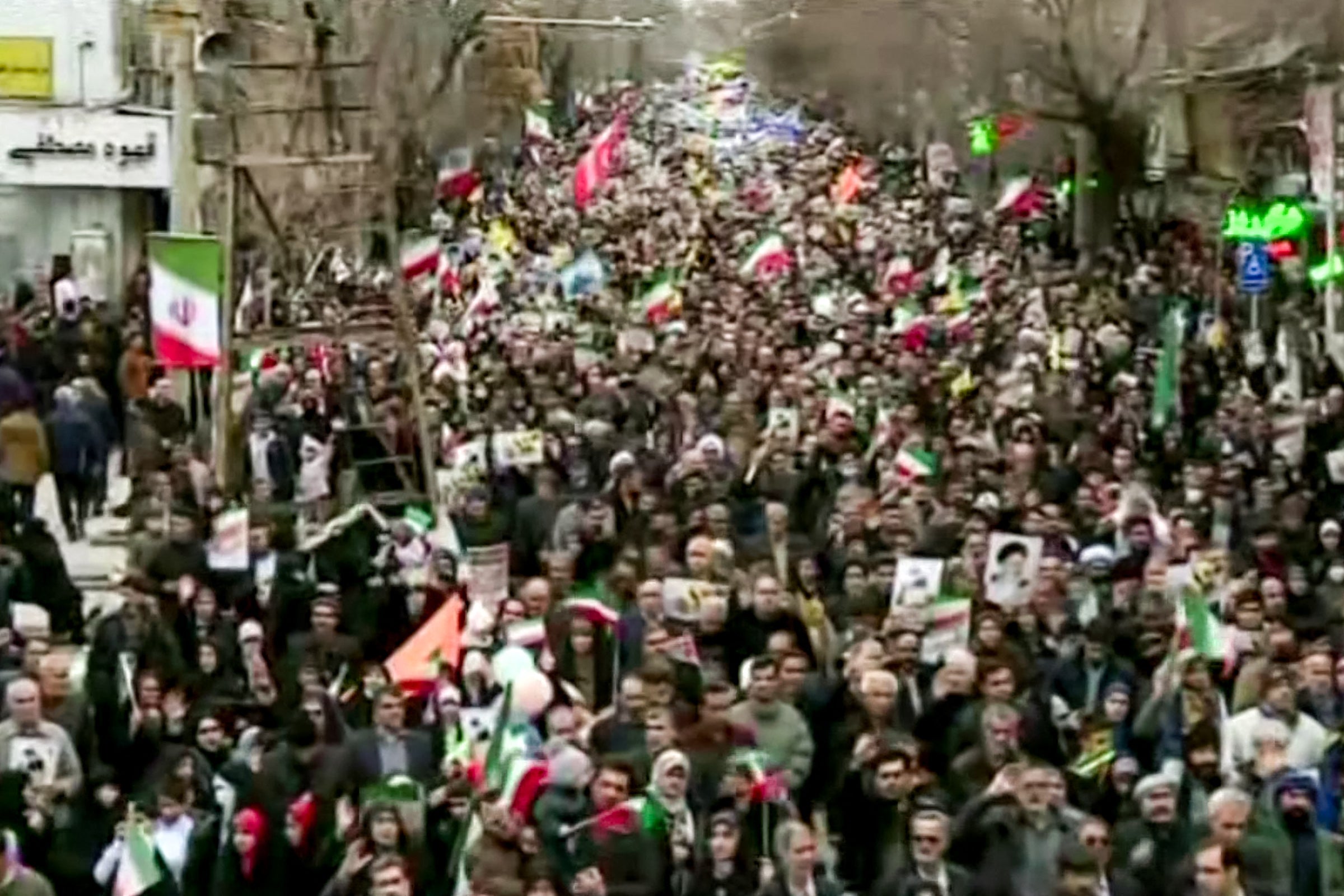
Eyewitnesses in Karaj reported repeated visits by security agents to hospitals, sometimes bearing court orders demanding a complete list of admitted patients. According to these sources, even the identities of those who had paid medical bills were collected, and in some cases, banking data was used to identify the wounded.
As a result, many injured people abandoned treatment out of fear of arrest. A medical staff member in Babol, Mazandaran province, said: “We had patients who insisted on being discharged despite serious injuries. They said if they stayed, they would come and arrest them.” He described the situation as “like a hospital in a war zone”, where security replaced treatment.
In some cases, admission was denied. An eyewitness said that at a hospital in Karaj, the family of a wounded person was labelled “a political case” and the patient denied admission. This person died on the way home, although doctors said he would have survived with timely treatment.
Reports from Babol and Kermanshah also indicate death certificates were issued without following legal procedures. According to one doctor, certificates were issued for bodies without referral to the coroner and the dead were buried hastily. In an atmosphere of intimidation, families were either forced into silence or confronted with financial conditions and written pledges.
At the same time, there were reports of some wounded patients being transferred from hospital beds to unknown locations. Their fate remains unclear, raising concerns about enforced disappearances.
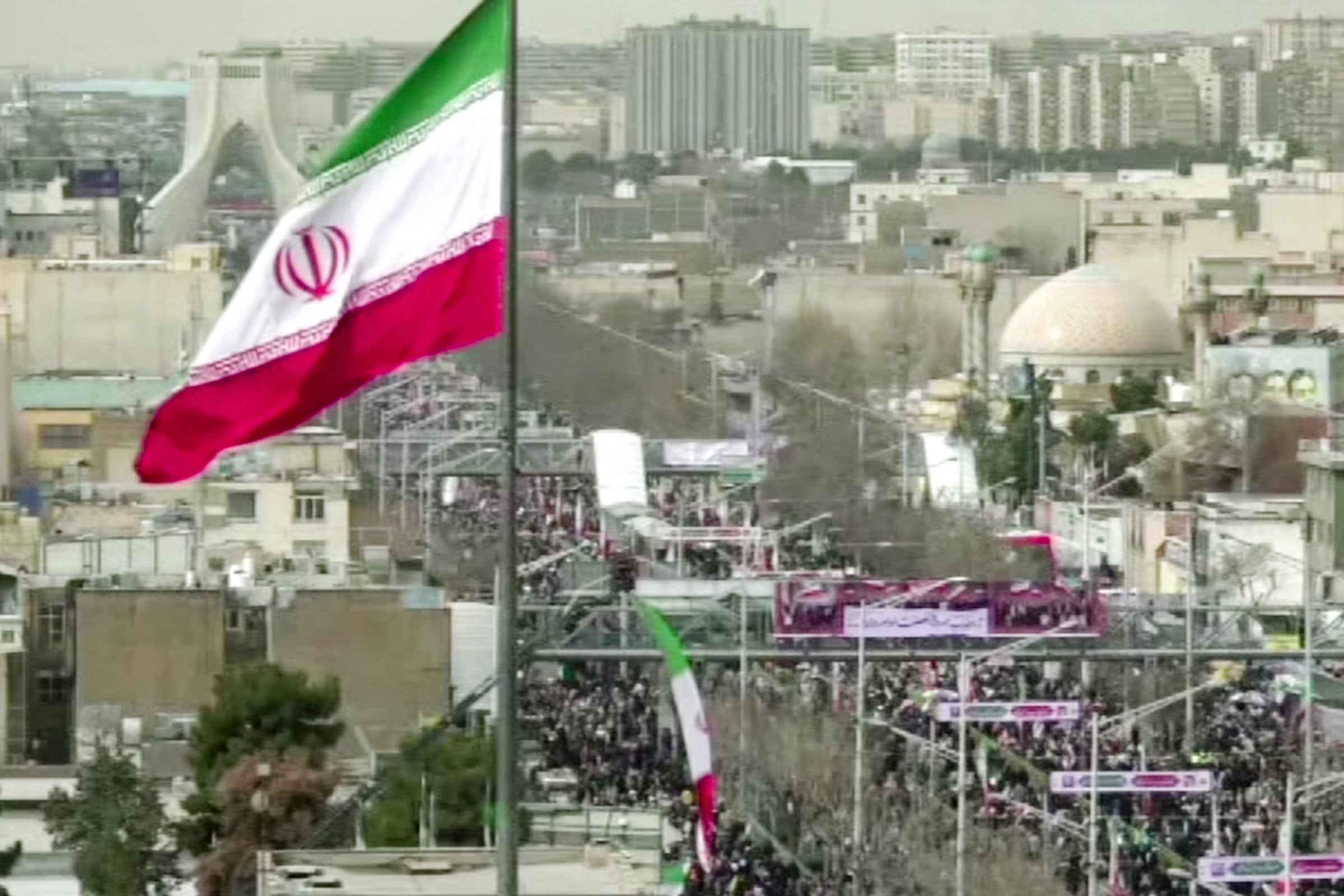
The pressure was not limited to patients. Doctors and nurses attempting to save lives were also threatened and summoned. In Isfahan and Karaj, raids on hospitals and even doctors’ homes were reported, and medical files were said to have been removed from hospitals. Some healthcare workers reported colleagues being arrested, with no information about their whereabouts.
Accounts received by Independent Persian from different cities portray a disturbing pattern, suggesting that Iran’s healthcare system was turned into a part of the Islamic Republic’s repression apparatus: denial of treatment, killing of the wounded, and intimidation and detention of medical staff were all used to silence protesters, costing lives that could have been saved but were instead lost in hospital corridors or detention centres.
Last Thursday, the Iranian Medical Council issued a statement expressing serious concern over the physical, psychological and professional safety of healthcare workers during the suppression of the national uprising, and called on the authorities to guarantee the security of medical centres and prevent any unprofessional, threatening or interventionist actions against doctors and healthcare staff.
Reviewed by Tooba Khokhar and Celine Assaf
Join our commenting forum
Join thought-provoking conversations, follow other Independent readers and see their replies
Comments
Bookmark popover
Removed from bookmarks