Major protests break out across Iran as government seeks rare dialogue with demonstrators
Iran’s regime faces mounting pressure from below as Trump and Netanyahu weigh fresh strikes
Huge protests over Iran’s soaring cost of living boiled over on Tuesday as students joined shopkeepers in daring demonstrations against the regime.
Hundreds of students rallied across four universities in Tehran for a third day of protests, after bazaar merchants took to the streets, chanting slogans and occupying the roads.
Chants could be heard in support of Reza Shah, the late founder of the royal dynasty ousted by the Islamic Revolution.
Some Iranians also took to social media to voice their outrage. One user, Soroosh Dadkhah, said that high prices and corruption had led people “to the point of explosion”.
Facing mounting pressure, the government took the unusual decision to seek dialogue with the protesters, assuring on Tuesday that a dialogue mechanism would be set up to talk to the organisers.
"We officially recognise the protests,” said government spokesperson Fatemeh Mohajerani.
“We hear their voices and we know that this originates from natural pressure arising from the pressure on people's livelihoods.”
President Masoud Pezeshkian said in a meeting with trade unions and market activists on Tuesday that the government will do its best to resolve their issues and address their worries.
Videos shared on Monday showed hundreds of people taking part in rallies in Saadi Street in downtown Tehran, as well as in the Shush neighbourhood near the city’s Grand Bazaar, which played a crucial role in the 1979 revolution.
On Sunday, protest gatherings were limited to two major mobile markets in downtown Tehran, where the demonstrators chanted anti-government slogans.
The demonstrations are the first major protests since Israeli and US assaults on Iran in June, which prompted widespread expressions of patriotic solidarity.
Iran now faces renewed pressure to maintain order after US president Donald Trump and Israeli prime minister Benjamin Netanyahu weighed fresh strikes this week.
The US and Israel carried out 12 days of airstrikes on Irans military and its nuclear installations in June aimed at stopping what they believe were efforts to develop the means to build an atomic weapon.
Separately, the Kremlin said on Tuesday that Russian president Vladimir Putin had discussed Iran’s nuclear programme with Pezeshkian in a phone call.
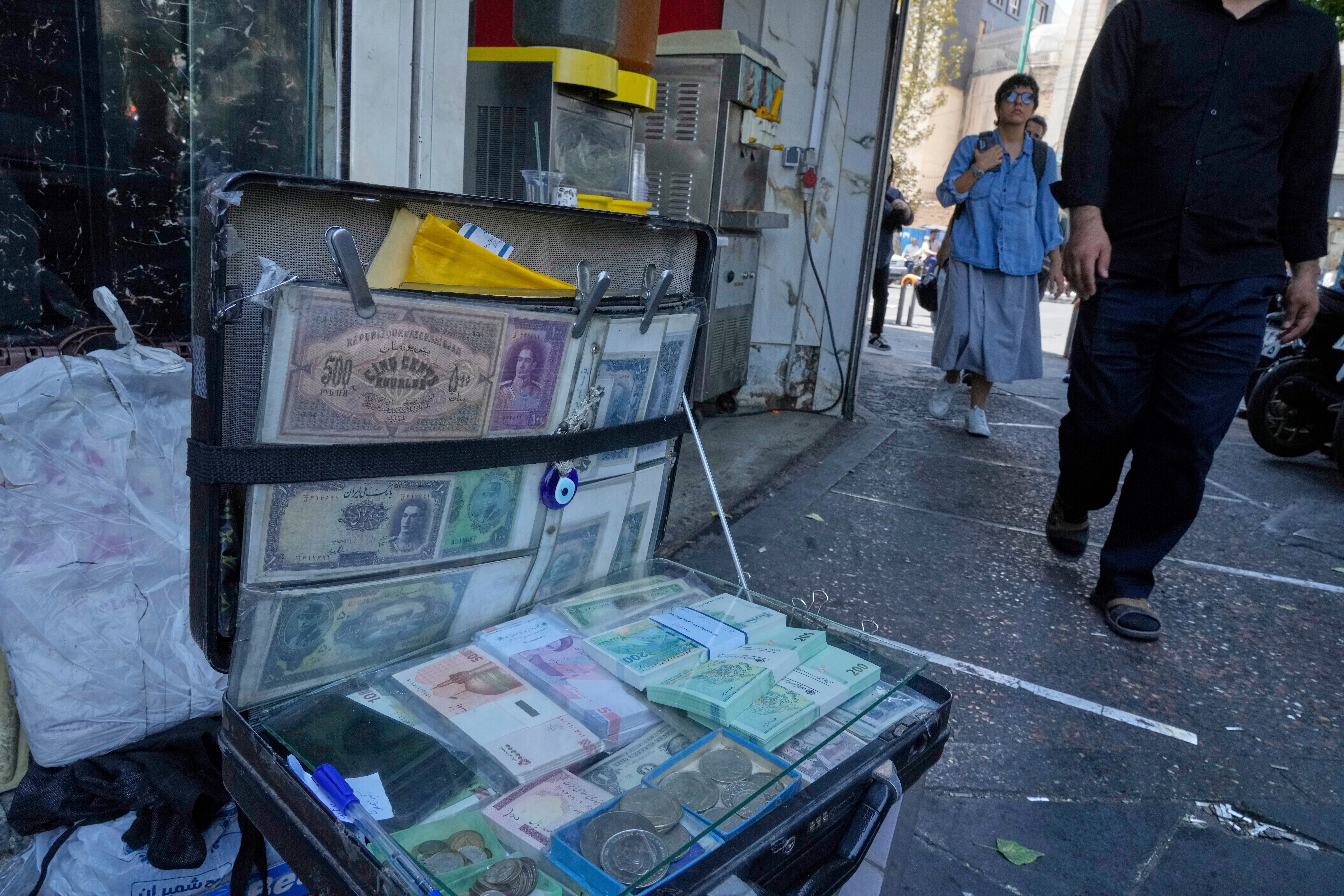
As Iran faces the threat of more kinetic action, its rial currency has lost nearly half its value against the dollar this year, with inflation reaching 42.5% in December.
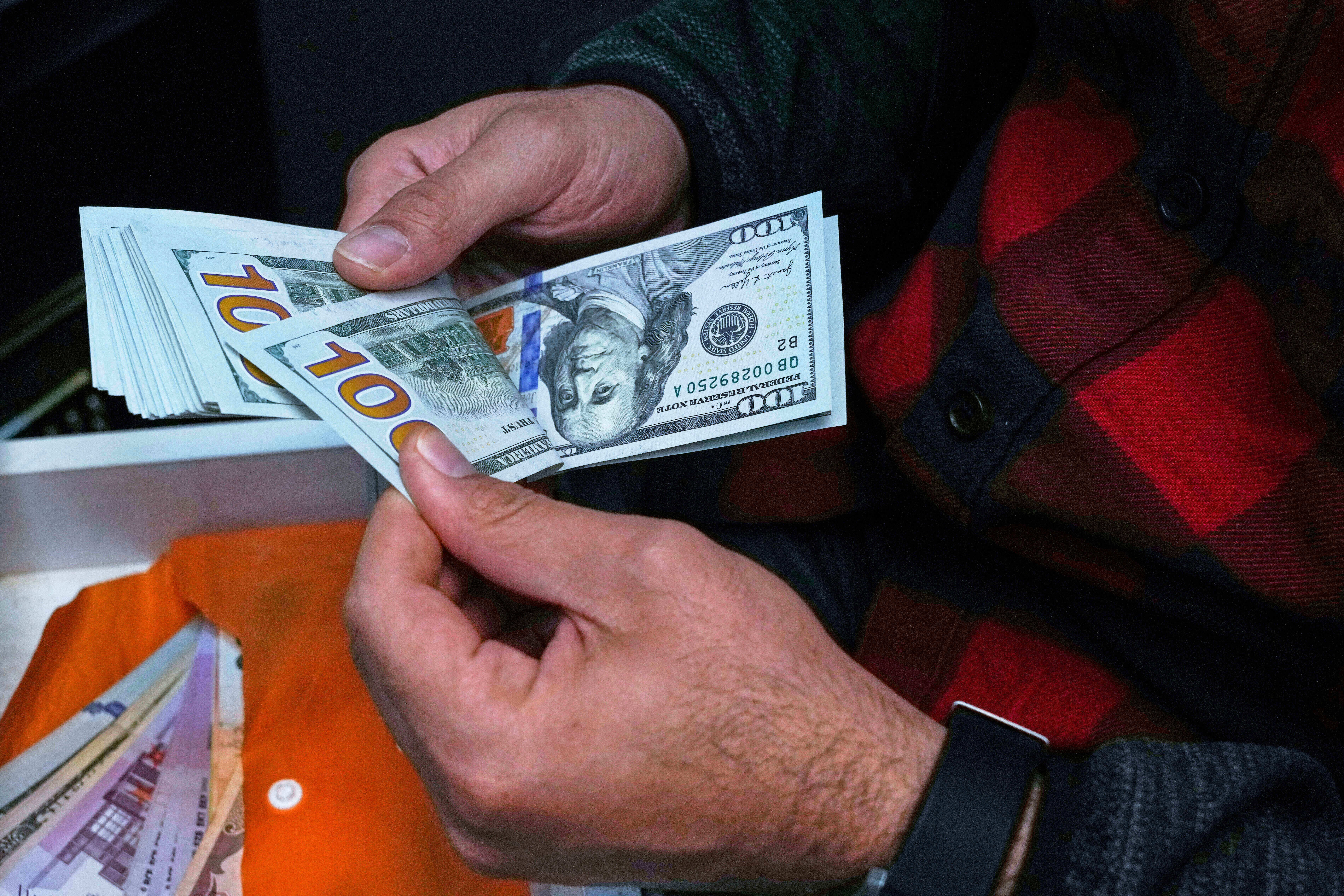
The rapid depreciation is compounding inflationary pressure, pushing up prices of food and other daily necessities and further straining household budgets.
Reports in official Iranian media said that the government also plans to increase taxes in the Iranian new year, which begins in March, adding to concerns.
The economy has suffered since US sanctions were reimposed by Donald Trump in 2018, as he ended an international deal over the country’s nuclear programme.
Join our commenting forum
Join thought-provoking conversations, follow other Independent readers and see their replies
Comments
Bookmark popover
Removed from bookmarks