The Independent's journalism is supported by our readers. When you purchase through links on our site, we may earn commission.
Why shouldn’t my autistic son jump the queue at Alton Towers?
The theme park group that also owns Legoland and Chessington World of Adventures has introduced new rules that ban visitors with ADHD and anxiety from using a disability ‘fast pass’ at the attractions – and it’s simply not fair, says Georgina Fuller
I was so disappointed to hear that Merlin Entertainments is changing its rules so that many people with autism or attention deficit hyperactivity disorder (ADHD) will no longer be eligible to use its “disability fast pass” this half-term at three of its theme parks: Alton Towers, Legoland and Chessington World of Adventures.
People like my 13-year-old son, Eddie – who in 2019 was diagnosed as autistic, with sensory processing disorder and pathological demand avoidance – couldn't cope in such a hectic, child-friendly attraction without this pass.
The company has said that “demand has grown” for its Ride Access Passes (RAP), a pre-booked facility to shorten queuing time for visitors “who may find it difficult, or cannot, stand for long periods of time either due to a physical disability or a learning/emotional impairment”.
Eddie is also visually impaired with no peripheral vision, so standing in a long queue with people on either side of him is really overwhelming for him.
Why then, you might wonder, would I take my son to a theme park?
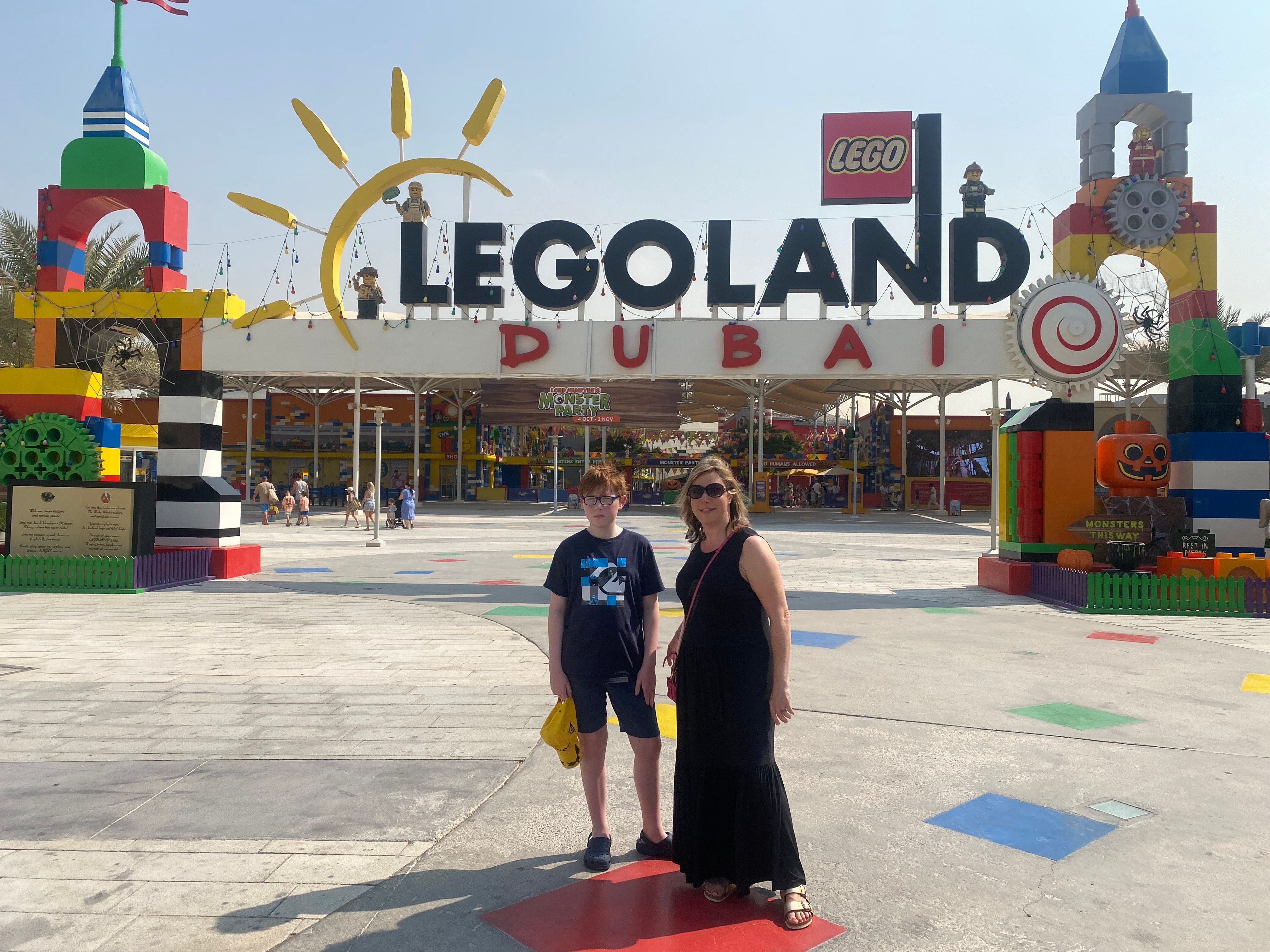
Well, even though Eddie struggles with noise, queues and crowds, Legoland Windsor is one of his favourite places. Lego is one of his “special interests”, and he is a real fanatic. We have visited the park numerous times over the years, as well as the Legoland parks in Denmark and Dubai.
Eddie is, unsurprisingly, not a huge fan of scary rides, but there are a few which he really loves. People can often queue for over an hour for popular rides, and the RAP, which uses an app to allow you to skip the main queue, has been a godsend. They have enabled Eddie to make the most of the day and to access attractions that would otherwise give him a sensory overload.
Yet, during the February half-term the parks – Merlin’s other big attraction, Thorpe Park, isn’t taking part only because it is not open – will be running a trial where they only accept people who have been classified as having “Difficulty Standing”, “Level Access” and “Urgent Toilet Needs” for the passes, and not “Difficulty With Crowds”.
Outlining these changes, Rob Smith, Merlin Entertainments’ Chief Operating Officer, Rob Smith, said: "Our guests with additional accessibility needs have increasingly told us that the Ride Access Pass simply isn’t working for them, particularly as demand has grown and queue times for these guests have increased.”
He added that Merlin appreciates its trial of “a refined eligibility criterion” over half-term “has raised concerns”, and says that it will “keep this approach under review ahead of our main season openings in March”.
Don’t get me wrong, I understand how frustrating it must be for people to see others who have an “invisible disability”, like my son, who goes to a specialist school, jump the queue. As Brits, we are renowned for our love of queues and united in our dislike of people who seem to be breaking the rules.
I also understand – to a point – the scepticism around the perceived overdiagnosis of neurodivergent conditions, which has seen a significant surge since the pandemic. A reported 2.5 million people in the UK now have an ADHD diagnosis, and around 550,000 were waiting for an ADHD assessment, according to NHS figures from last March. And the British Medical Journal states that there has been an 18 per cent increase year on year in ADHD prescriptions since the pandemic.
Add to that the so-called “trend” in self-diagnosis, which I actually think is very valid in some cases, and I can see why some have become cynical.
I still think, however, having now had two of my three children diagnosed with neurodiverse conditions and being diagnosed with ADHD myself last year, that we’re just scratching the surface when it comes to understanding and assessing neurodiversity. I can understand that people being perceived to queue jump just exacerbates the social divide, confusion and scepticism around these conditions, though.
In my experience, big companies such as Merlin are very good at talking the talk. But by taking action to prevent people with additional needs from accessing their attractions, they’ve shown that they’ve still got a long way to go.
Join our commenting forum
Join thought-provoking conversations, follow other Independent readers and see their replies
Comments
Bookmark popover
Removed from bookmarks