The Independent's journalism is supported by our readers. When you purchase through links on our site, we may earn commission.
As a psychologist, I’m troubled by the Fake Admiral’s excuses for dressing as a war hero
What a faker! Former ‘Love Island’ psychologist Honey Langcaster-James says an ex-schoolteacher’s defence for wearing medals he had never won in service doesn’t add up – impersonating such a senior naval officer was never just about wanting to ‘fit in’


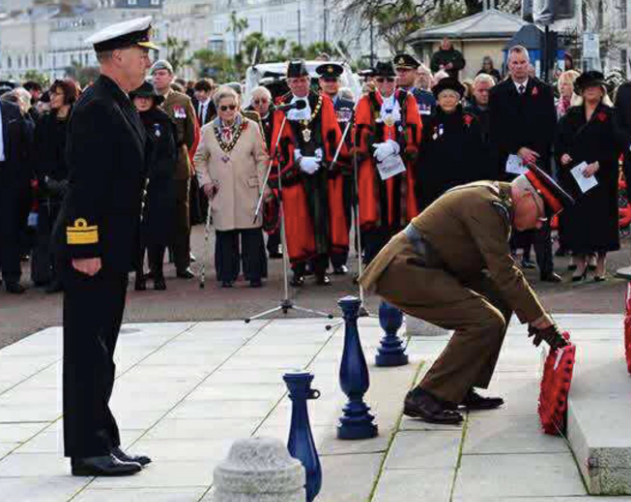
When Jonathan Carley, a 65-year-old former schoolteacher from Harlech, Gwynedd, first started turning up at Remembrance Day events in north Wales in the uniform and medals of a senior naval officer – as far back as 2018 – he would stand among veterans and serving personnel as if he belonged there.
Dressed as a Rear Admiral – the third-highest rank in the Royal Navy – and wearing a rare Distinguished Service Order (DSO) medal, he looked confident, every inch a retired senior military officer.
But he wasn’t – and on Monday he was found guilty at Llandudno Magistrates’ Court of wearing a uniform or dress bearing the mark of His Majesty’s Forces without permission. He was fined £500, ordered to pay £85 costs, and a £200 surcharge.
The hearing was told how, during a police interview, the so-called “Fake Admiral” admitted he had wanted “a sense of belonging and affirmation”, the sort of things that come with being part of a proud military unit.
But, as a psychologist, I believe Carley’s actions are likely to have been driven by needs that went far beyond those simple desires.
Belonging is a fundamental human need. We are wired for social connection in ways that are almost as essential as food and water. Most of us understand, instinctively, that meeting those needs requires finding healthy and transparent ways of engaging with others – playing sport, joining a choir, volunteering or becoming part of a local group. These are ordinary, socially acceptable and effective routes to connection, purpose, and often recognition too.
Carley may believe he was motivated by a desire for “belonging and affirmation”, but psychologically speaking, that explanation does not convince.
I have not met the “Fake Admiral”, let alone interviewed him, yet impersonating a figure with an extreme and exceptional level of status is hardly a credible route to genuine belonging. Choosing a role so senior – so rare and so symbolically powerful – points instead to a longing for prestige, authority and automatic respect. True affirmation requires bringing your authentic self forward and connecting with others honestly.
Military uniforms – especially highly decorated ones – carry enormous non-verbal power. They command deference without explanation. They reduce challenge and minimise questioning. They impose a social script in which others instinctively know how to respond. Among veterans, the visual cues of rank and medals communicate earned respect instantly and unequivocally.
Even civilians tend to engage more respectfully with someone dressed in a military or veteran uniform. For a person seeking admiration, esteem and deference without scrutiny or vulnerability, wearing a uniform and medals not rightfully earned can function as a shortcut to unearned respect. That is not belonging. It is something closer to social theft.
For many military personnel and serving veterans, such behaviour will feel deeply offensive. It cuts against the values the armed forces represent. When people have made genuine sacrifices for King and country, seeing recognition appropriated by deception is painful to witness. Wearing medals and ranks earned by others at ceremonies rooted in sacrifice breaches trust, disrespects service and corrodes communal meaning.
It is reasonable, therefore, to ask what Carley’s true motivation was.

His background may offer clues. Reports suggest he once held respected positions as a teacher at elite schools and as a rowing coach – roles associated with authority, status and public regard. Losing such roles, through retirement or redundancy, can create a profound identity vacuum.
When esteem has been externally conferred for decades, its sudden absence can be destabilising. This may have played a part, though only Carley will know, and even then, he may not fully understand his own actions.
It is also worth asking why he believed he would not be caught. The military is a relatively small, tight-knit community, fluent in reading uniforms and medals. Those who fabricate identities often overestimate the power of symbols and underestimate scrutiny. Confidence, costume and context are assumed to override verification.
Within solemn spaces such as Remembrance services, where people are reluctant to challenge appearances for fear of causing offence, social politeness can be mistaken for acceptance. That reluctance creates vulnerabilities that can be exploited.
If we momentarily set aside the anger such acts provoke, this case is also a bleak illustration of what can happen when identity, status and self-worth become entirely externally dependent. It is possible to feel empathy for the human fragility involved while maintaining moral clarity about the harm caused. No explanation could excuse the behaviour itself.
Ultimately, I am left feeling sad for Carley – but also deeply sad for those military personnel who may now wonder who else among them might be an imposter, exploiting their trust and respect.
There are lessons here for everyone. If you are searching for belonging, bring your true self. And if something does not feel right, trust your instincts – and never be afraid to ask questions, uniform or not.
Honey Langcaster-James is a consultant psychologist and broadcaster
Join our commenting forum
Join thought-provoking conversations, follow other Independent readers and see their replies
Comments
Bookmark popover
Removed from bookmarks