The Independent's journalism is supported by our readers. When you purchase through links on our site, we may earn commission.
What does the collapse of Russell & Bromley mean for the ‘Kate effect’?
Thanks to its royal seal of approval from the Princess of Wales, heritage footwear chain Russell & Bromley had hoped to avoid the havoc being wreaked on lesser high-street brands, says James Moore


What comes after Cath Kidston, FatFace, Joules, JoJo Maman Bébé, Reiss, Gap and Victoria’s Secret? Or, to give you a clue, I could ask: What comes Next?
The latest retail institution rescued by Simon Wolfson, the boss of Next, is Russell & Bromley. He has paid £2.5m in a deal to rescue the upmarket, family-owned shoe and handbag retailer from administration.
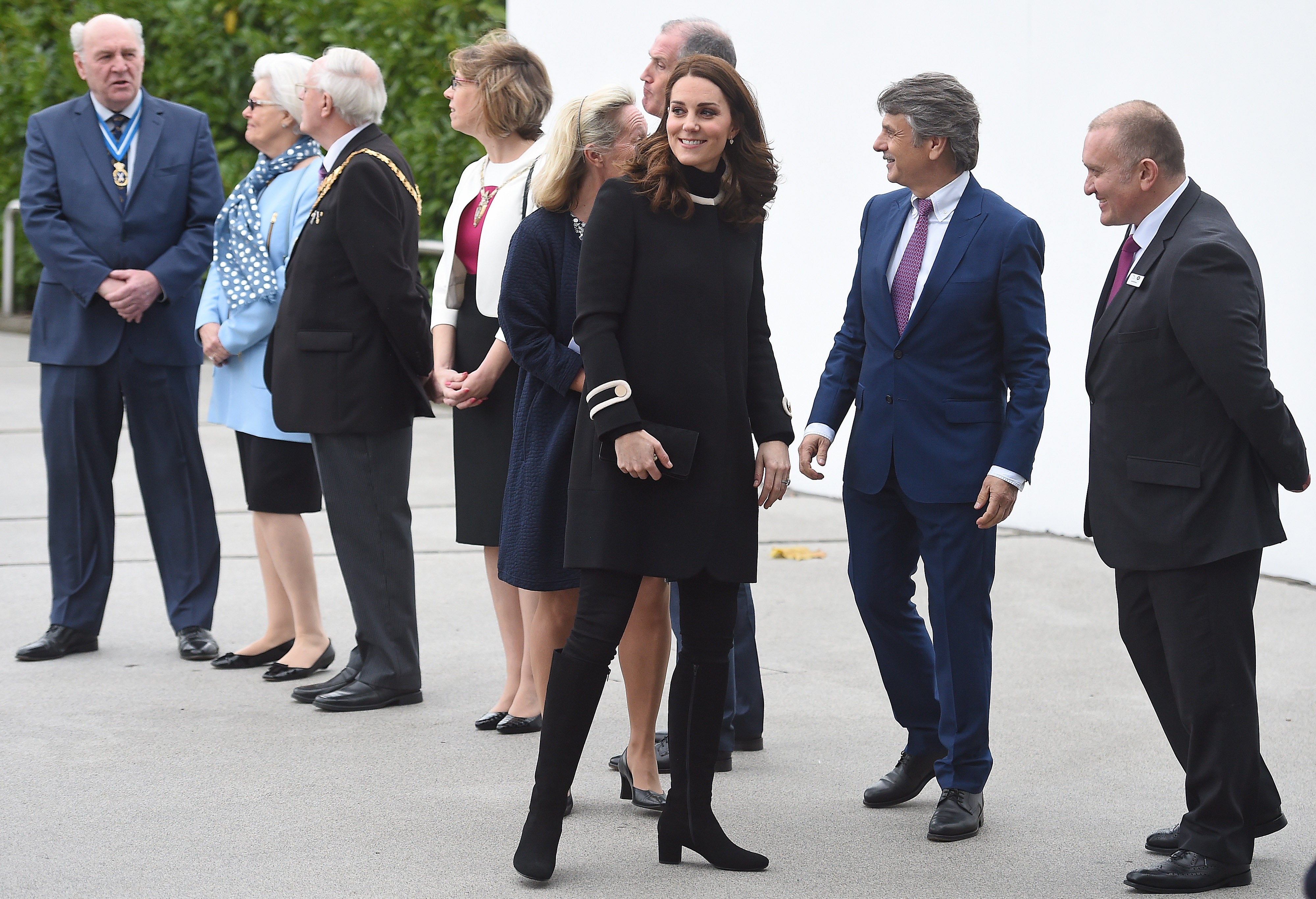
Founded in 1873, the brand has long kept a flagship on Bond Street, as well as on the smarter, market-town high streets around the country. Its footwear is a firm favourite with the Princess of Wales, who, when she took her first steps in public life, was often to be photographed in its stylish knee-high boots and riding jodhpurs.
The brand has heavily benefited from the so-called “Kate effect”, with specific styles, such as the Zipkin boots, seeing a 663 per cent sales rise after being worn by the princess. But is its collapse into administration indicative of changing tastes – it’s not the only struggling label whose lines once sold out after Catherine was seen wearing them – or something more existential about the way we shop for fashion?
As British heritage brands go, Russell & Bromley carries the sort of credentials one might expect to offer some protection from the havoc being wreaked on our high streets. On an official visit to Canterbury last year, Queen Camilla wore a pair of its biscotti knee-highs.
Next has picked up the heritage retailer for a song – around £2.5m for the brand and intellectual property, plus a further £1.3m for stock. It is also keeping the Bond Street, Chelsea and Bluewater stores. You can still make money from boutique bricks-and-mortar in places like that, where the clientele is insulated from harsher economic winds and still enjoys spending weekends browsing expensive shoe shops. Elsewhere, not so much.
It’s another win for Wolfson, who is one of Britain’s sharpest business leaders – a rare chief executive who more than justifies his salary. His acquisition of Russell & Bromley will mean 400 job losses, mostly on shop floors at its 33 stores – but Next intends to “provide the operational stability and expertise to support Russell & Bromley’s next chapter, allowing it to return to its core mission, the design and curation of world-class, premium footwear and accessories, for many years to come”.
So its luxury shoes and boots with city smarts and country appeal will be coming to a shoe rack in your nearest Next soon.
Next’s ability to keep sales rolling while others collapse remains one of the most impressive stories in UK retail. It sells everyday clothes at prices you do not have to pay if you do not want to – Primark and Tesco are cheaper – yet customers continue to shop at Next in impressive numbers.
Wolfson isn’t the only CEO gobbling up distressed brands. It’s a similar strategy to the one pursued by Mike Ashley at Sports Direct, now Fraser’s Group. As well as the House of Fraser chain of department stores, it has acquired heritage sportswear labels such as Everlast, Kangol, Slazenger, Karrimor and Lonsdale, outdoor clothing brand Jack Wills, and cycle retailer Evans Cycles, among others.
However, if you gave me a couple of grand to invest and told me to pick Next or Sports Direct, I’d go with Wolfson’s roll-up approach every time. Since Ashley surrendered the job of CEO to his son-in-law, Michael Murray, Frasers has become an odd-looking patchwork quilt. Next has been more discerning with its targeted acquisitions.
There remains a question over whether Russell & Bromley’s upscale clientele will feel differently about the beloved brand now that it is no longer family owned, stripped of some of the exclusivity that implied, and folded into Next’s corporate empire.
My suspicion is that most will either not notice or quickly get over it. Russell & Bromley’s products are not so expensive that a segment of Next’s existing customer base could not be tempted. Wolfson must be hoping that the “Kate effect” will continue for some time yet.
Join our commenting forum
Join thought-provoking conversations, follow other Independent readers and see their replies
Comments
Bookmark popover
Removed from bookmarks