I’m a personal trainer – this is what I’d tell a client who wants to lose belly fat
Ollie Thompson is a personal trainer who has helped hundreds of people improve their health and fitness. He tells Harry Bullmore the eight things he would advise a client to do to help them lose belly fat


Each January, Google searches for “How to lose belly fat?” surge as people link this goal to their New Year’s resolutions. As a fitness writer and coach, the phrase “belly fat” sets alarm bells ringing. Why? Because I love movement, and when people view exercise exclusively through a weight loss lens, they tend to develop a pretty rubbish relationship with it. Rather than improvements to how you feel and what your body can do, success is measured solely through the number on a scale.
But beyond the surface-level aesthetic reasons for chasing this goal, I also know that there are solid health benefits that come with dropping excess fat: being overweight is linked to an increased risk of many chronic conditions such as diabetes, cardiovascular disease and several cancers.
As there are a few commonly held beliefs about belly fat that need debunking, I have enlisted the help of experienced personal trainer and Well To Lead founder Ollie Thompson to explore the topic with a broader focus on bettering overall health. Here are the eight things he would advise a client wanting to lose belly fat to do.



Take a two-pronged approach to creating a calorie deficit
On the surface, weight loss is disarmingly simple. It requires a calorie deficit – as per the laws of thermodynamics, if you expend more energy (or calories) than you consume on a regular basis, you will lose weight. The tricky thing is achieving this consistently.
Movement expends energy, food and drink provides it, so it makes sense to move both needles in the right direction to reach a calorie deficit. But we live in a world where energy-dense foods are readily available for most people and movement is optional in many cases, so this is easier said than done.
“The most successful approach is rarely about extreme food restriction or trying to ‘outrun’ your poor diet with an excessive exercise plan,” says Thompson.
“One important thing I often explain to clients is that structured workouts usually make up a smaller part of the total daily energy expenditure than people expect. An hour in the gym is beneficial for many reasons, but it’s your overall daily movement – steps, time on your feet and how active you are outside of workouts – that often has the bigger impact on how many calories you burn across the day.”
Prescription
A calorie deficit should only ever be temporary – your body works best with adequate fuelling. But to lose weight, achieving a calorie deficit consistently over a period of time is necessary.
To do this, Thompson offers a straightforward solution: “Eat slightly less than you currently eat, while also moving a bit more than you currently do. That might mean modest changes to portion sizes alongside increased daily steps and regular training.”
“Keeping the deficit small and manageable makes it far more likely you’ll stick to it, recover well from exercise and avoid the cycle of burnout and rebound that so many people fall into,” he adds. “Slow, steady progress might not sound exciting, but it’s the approach I’ve seen work consistently over the long term.”
Read more: If you struggle to walk 10,000 steps a day, a scientist recommends trying this instead

Don’t underestimate the value of walking
“Walking is often the first thing I encourage people to do if they want to reduce body fat,” says Thompson. “It’s also one of the things people are most likely to dismiss.”
As a habit, regular walking has a remarkably low barrier for entry and an incredibly high return on investment.
“It doesn’t require equipment, a gym membership or perfect motivation – just a willingness to move a bit more than you currently do,” Thompson continues. “Over time, those extra steps add up to a significant calorie burn, alongside improvements in cardiovascular health, stress levels, mood and sleep quality.”
Prescription
Walking 10,000 steps a day is the most popular walking goal, but it won’t work for everyone. For that reason, Thompson suggests setting the simple goal of walking more than you do currently.
“From a coaching perspective, the best step target is the one you can repeat daily, week after week,” he says. “If you’re currently averaging 4,000 to 5,000 steps, aiming for 7,000 every day will likely have far more impact than sporadically hitting 10,000.”
To achieve a higher step count, he suggests acts such as walking during phone calls, adding a 10-minute walk after meals or choosing to walk short journeys rather than defaulting to the car.
“These small, unglamorous decisions are exactly the kind of changes that can make fat loss more sustainable in the long run,” Thompson concludes.
Read more: The common foods that can reduce inflammation and improve heart health, according to experts

Build better meals
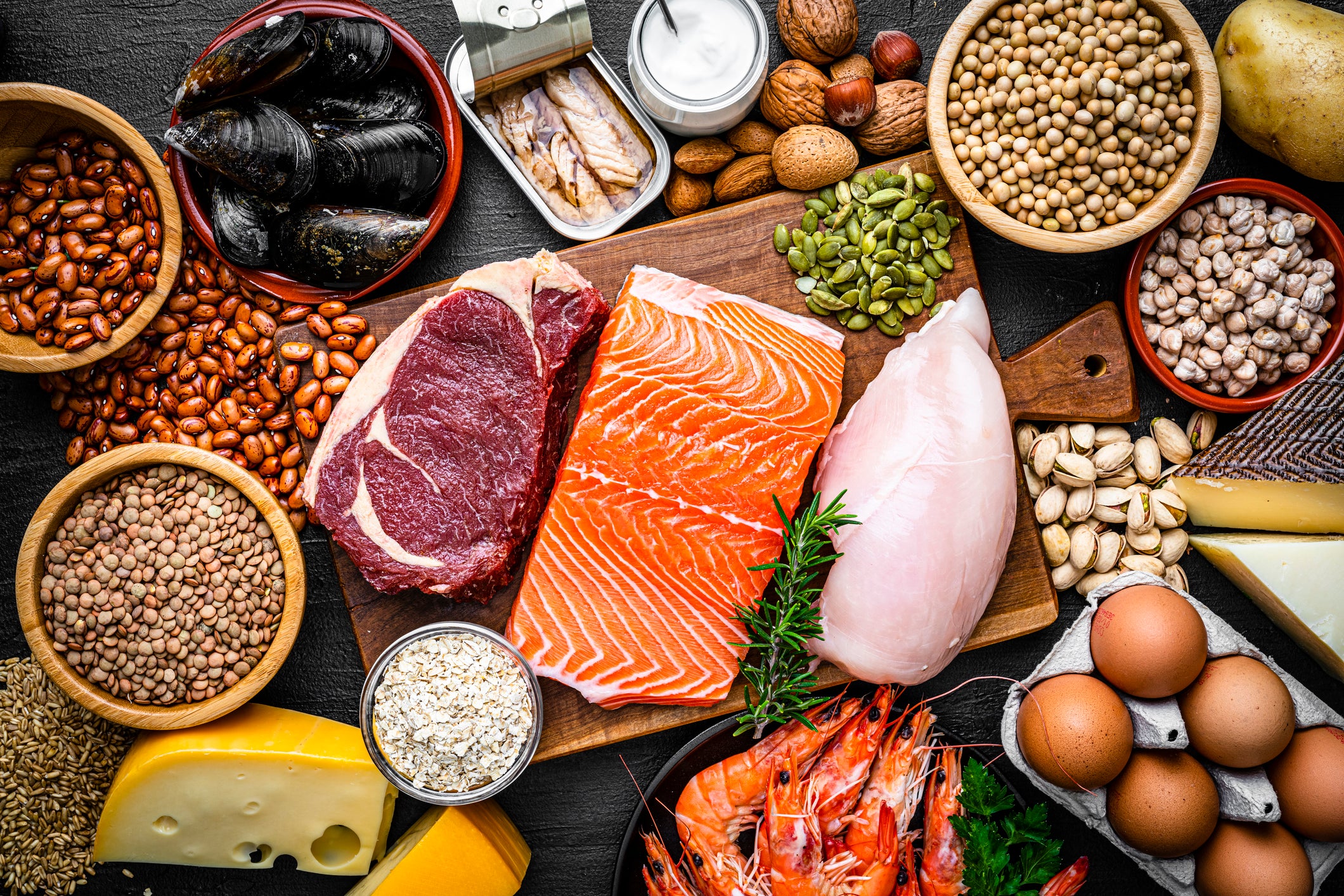
“I try to move people away from obsessing over individual foods, and move them towards building better meals,” Thompson says. He recommends prioritising protein, vegetables and fibre on your plate.
This approach can be more accessible and sustainable in the long run than fixating on calorie counts and certain trending health foods.
“Protein is particularly important when you’re trying to lose fat,” Thompson explains. “It helps preserve muscle mass, keeps you fuller for longer and supports recovery from training. As a rough guide, I’ll often encourage clients to have their protein source take up at least one third of the plate, whether that’s meat, fish, eggs, dairy, tofu or legumes.
“After that, vegetables and high-fibre foods do a lot of the heavy lifting. They add volume to meals for relatively few calories while also helping regulate appetite and support gut health. When most meals are built this way, it becomes much easier to maintain the calorie deficit that’s required for fat loss without feeling constantly hungry or restricted.”
Prescription
“Start every meal with a solid protein source, add plenty of vegetables, then make sure there’s a good amount of fibre on the plate,” says Thompson.
“By getting the fundamentals right most of the time, you can still enjoy the occasional treat or less nutritious snack without it derailing your long-term progress.”
Thompson suggests that some people may also benefit from tracking their food intake – calories, protein, fats, carbohydrates and fibre – for a couple of weeks when starting their fat loss efforts to gain better insights into you current diet so you can develop a better eye for portion sizes and identify small changes to improve your health. For example, it might become clear you are falling well short of the general fibre intake guidelines of 30g per day, so you could benefit from adding a few extra high-fibre foods into your diet.
Read more: What the shape of your buttock muscles might mean for your future health – and how to change it
Lift weights two to four times per week
“Research consistently shows that lifting weights leads to better fat loss outcomes than cardio alone, and the benefits extend far beyond body composition,” says Thompson.
Regular strength training can improve blood sugar regulation, bone density, joint health and your ability to handle the physical rigours of daily life, all while protecting muscle mass as you age for improved longevity.
“From a purely visual perspective, it’s also worth remembering that muscle is what gives your body its shape,” Thompson adds. “As body fat comes down, it’s the muscle underneath that determines how you look. This is why people who focus only on cardio often feel smaller but not necessarily leaner or more defined.”
Prescription
“In my coaching work, I prioritise programmes built around fundamental movement patterns: squats, hinges, pushes, pulls, lunges, carries and rotations,” says Thompson. “These train large muscle groups efficiently and give you the most return for your time in the gym.”
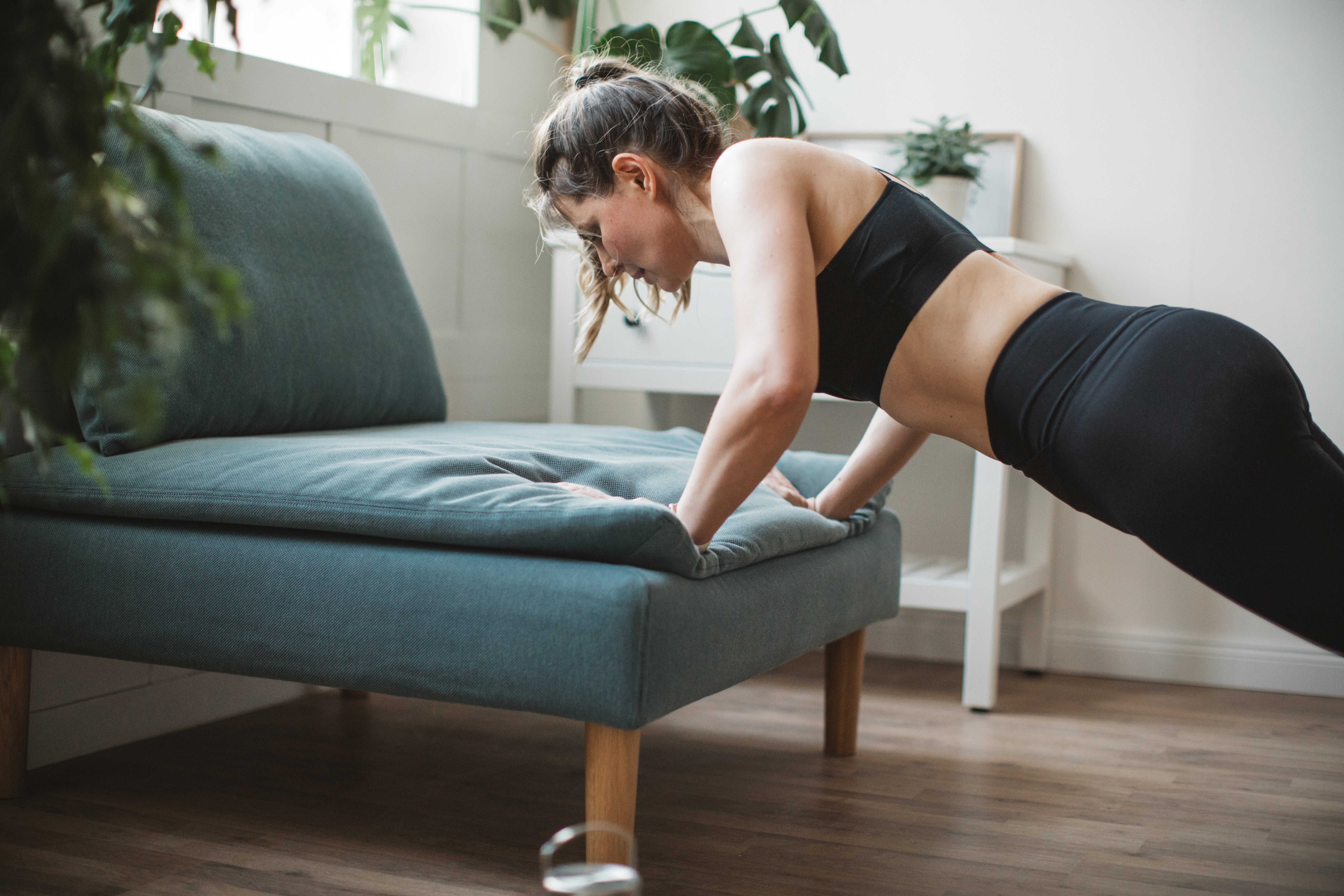
Most people will see impressive benefits from training two to four times per week. Beginners in particular will notice dramatic changes from just a couple of 20-minute sessions, whether they’re in the gym or doing bodyweight exercises at home.
“A simple plan you can stick to consistently will always outperform a ‘perfect’ routine you abandon after a few weeks,” Thompson says. “For many, this adherence is much higher when at home.”
Read more: The small daily acts that make a real difference to your health
Make a plan
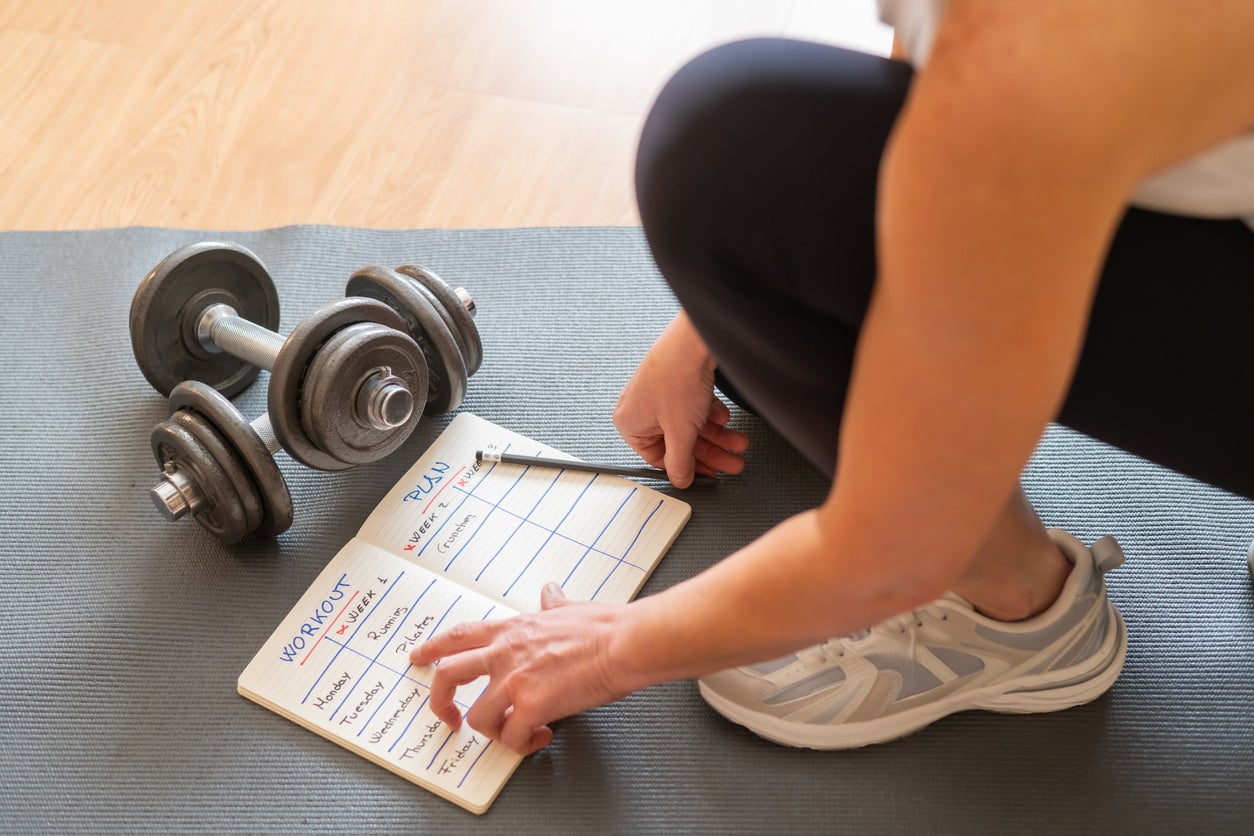
“To lose fat effectively, your training needs to challenge your body in a way that’s measurable and progressive,” Thompson says. “This doesn’t mean spending hours each week working out – it means being deliberate and having a plan. Track key lifts or movements each week and aim to improve gradually, whether by increasing weight, reps, sets or control.”
Prescription
Focus on compound exercises; moves that recruit multiple muscle groups at once, such as squats, deadlifts, presses and rows.
“I often advise people to choose three or four compound movements per workout, note down how much weight you used, for how many reps and sets, and aim for small weekly improvements,” he says.
“For example: if in week one you perform three sets of 12 goblet squats with a 20kg dumbbell, next week try three sets of 12 with 22.5kg. If you achieve this, aim for 25kg the following week; if you didn’t quite manage three sets of 12, stay with 22.5kg until you can complete these repetitions comfortably.”
Read more: Longevity expert says this diet is more effective than Ozempic at changing the human body
Protect your sleep – it has a big impact on fat loss
A good sleep can boost your energy levels, but it also has a plethora of overlooked perks.
“A lack of sleep almost always leads to increased hunger, poorer food choices, reduced workout quality and lower motivation to move during the day,” Thompson says.
“Better sleep helps regulate appetite hormones, improves glucose control and supports recovery from workouts. Simply put, when sleep improves, people find it easier to stay in a calorie deficit without relying on willpower.”
For that reason, if a client is sleeping five hours per night, he will prioritise fixing this pattern before introducing any diet or exercise interventions – “It’s one of the highest-impact changes you can make.”
Prescription
“Aim for seven-plus hours of sleep per night and keep your sleep and wake times as consistent as you can, even at weekends,” Thompson advises.
“If that feels unrealistic, improving sleep quality can be just as powerful. A simple place to start is to choose a fixed bedtime and protect it for the next seven days, even if nothing else changes. That one habit alone often improves sleep quality, energy and appetite control. You can also dim your lights in the evening, limit screen use in the hour before bed and keep your bedroom cool, dark and quiet.”
Read more: What foods nutrition experts really eat to stop chronic illness in old age (and always avoid)

Stay on top of stress
“Chronic stress can slow fat loss by affecting appetite, sleep and energy levels,” Thompson says. “Clients who struggle to bring their stress levels down often see slower progress, even with good training and nutrition.”
Prescription
Thompson recognises that telling someone to be less stressed is likely to have the opposite effect. So instead, he suggests finding a few stress-reducing activities like those below and committing to them on a regular basis:
- A screen-free five minutes of playing with or stroking your pet.
- Following a breath-focused drill such as something called non-sleep deep rest (NSDR) or meditation.
- Going for a short walk without looking at your phone – even better if you can do so in green space.
- Spending time each day on a hobby that switches your brain down a gear and draws focus away from the stresses of daily life – this could be reading, painting or playing a game.
- A short stretching routine that you can easily do a few times each day.

Look beyond the scales
If you are looking to lose fat, the bathroom scales only tells part of the story. For example, if you have lost fat but gained muscle, you will likely look and feel better despite the number on the scale remaining steady. Scales also ignore other benefits such as improvements to your physical capacity and energy levels.
Your weight varies significantly throughout the course of each day too, due to water, food, sleep and many other factors. “Clients get the most clarity by tracking multiple key markers alongside weight on the scale,” says Thompson.
Prescription
“Pick two or three markers to monitor across multiple timeframes,” Thompson says. “You could focus on using a smartwatch to track movement goals and step counts, use regular photos to monitor visual changes over time, or track the exercises and weights you use in the gym to gain a clearer picture of your performance progress.”
Read more: Is the rise of endurance sports a harmless health kick – or dangerous addiction to adventure?

Common misconceptions around losing belly fat
‘You can target belly fat specifically’
“Just because you are working the muscles in a particular location, it does not mean the fuel for this exercise is coming from the fat that is stored next to it,” says professor of human physiology Dylan Thompson, from the department for health at the University of Bath. “Given the anatomy of the body, including the blood vessels supplying muscles, this is highly unlikely.”
“Fat loss happens across the body according to genetics and hormones,” adds Thompson. In other words, different people will naturally store more fat in some areas and less in others. These factors will also determine where fat is first gained and lost, so aiming for overall fat loss is the best way to reduce stores around your stomach.
“Focus on consistent nutrition, daily movement and intentional workouts and your overall body fat levels will reduce over time,” says Thompson.
‘You need to do lots of cardio to lose fat’
“Both strength training and cardio are necessary for a well-rounded, healthy body,” Thompson says. “The idea that cardio is superior for fat loss is a myth, and in fact some recent research suggests that frequent resistance training can be superior in some instances.
“Effective fat loss comes down to expending more energy than you consume. Your diet will play the largest role in your fat loss success.”
‘Results are immediate’
Any online workout that promises visible abs in two weeks should be met with a raised eyebrow. Firstly because it can’t make this promise without knowing your starting point, and secondly because changing your body takes time.
As experienced strength coach Dan John once told me: “If it took you years to get out of shape, it’s not going to take weeks to reverse it.”
“Sustainable fat loss is typically 0.5-1 per cent of body weight per week,” Thompson adds. “For me personally, at roughly 82 kg, I’d expect to lose on average 1.5-3 kg per month, but bear in mind that the more fat you have to lose, the faster it will go. As you progress and become lighter, that rate is likely to slow down. Patience and consistency are key.”
Read more: The belly fat myth and the common fitness mistake that we are all making
Join our commenting forum
Join thought-provoking conversations, follow other Independent readers and see their replies
Comments
Bookmark popover
Removed from bookmarks