Can taking a probiotic help with mood and immunity as well as gut health? And which type should you take?
Probiotics are hailed at gut-boosting must-haves, but should you be taking them every day?
Gut health is trending, and as such, someone, somewhere has probably recommended that you take a probiotic. There are hundreds of different types from powders to pills and liquids. However, it can be difficult to know if probiotic supplements are right for everyone. There are several kinds and they each contain different strains of bacteria with a host of specific benefits.
There are many proven benefits to taking a probiotic – these supplements contain live microorganisms that support the growth of beneficial bacteria in your gut. Probiotics can help your gut to become stronger and more adept at warding off seasonal viruses, they can also balance, repopulate and regulate overgrowth of one bacterial strain over another, preventing bloating, gas and bacterial issues.
Probiotics exist naturally in foods like kefir and kimchi, but most of us don’t eat enough of these kinds of foods to give our bodies the best support. However, that doesn’t necessarily mean we need to be taking probiotic supplements every day, according to experts.
 I drank kefir for a month and it made me feel like a superhuman – what’s the secret behind this gut-friendly drink?
.png?quality=75&width=230&crop=3%3A2%2Csmart&auto=webp) Dr Megan Rossi on why your long-term health and happiness begins in your stomach
Dr Megan Rossi on why your long-term health and happiness begins in your stomach I’ve been drinking kombucha for years and it’s transformed my gut health – here’s how
 Eat these foods for the healthiest gut microbiome to fight risk of chronic disease
What are probiotics?
Probiotics help to promote a more diverse and balanced gut microbiome, which not only contributes to our digestive health, but also our broader wellness.
“Probiotics are live beneficial bacteria that support gut health by maintaining a well-balanced microbiome,” says registered nutritionist Jenna Hope. “They can aid digestion, support immunity and in some cases, can help manage certain digestive issues like bloating, constipation and diarrhoea.”
You can find probiotics in supplements or in liquids, which need to be refrigerated, but you might first try looking for them in your food. Fermented foods have some of the highest levels of probiotics. Nutritionist Emily English recommends regularly consuming these kinds of foods and adding them to your weekly shopping list.
“Look for fermented foods like kefir, kimchi, live yoghurt, miso and sauerkraut. And ‘live active cultures’ on the label,” she says.
What are the benefits of probiotics?
Nutritionist Lucia Stansbie explains that probiotics can be helpful with gut dysbiosis, otherwise known as an imbalance of microbial species in the gut. This causes symptoms like diarrhoea, constipation, bloating and poor nutrient absorption.
She points out: “Not all probiotics work only in the gut. There are also oral probiotics that can help with the mouth microbiome and improve oral health, as well as probiotics that can support vaginal health. Other strains can support mood, whilst others can impact on blood glucose management”.
Some strains are especially beneficial if you happen to be taking a course of antibiotics. These medicines kill bugs and harmful bacteria, keeping you safe, but they also kill of friendly bacteria and can therefore cause stomach issues and other side effects like skin complaints.
There’s also the gut-skin axis – a fascinating connection between the digestive system and the skin and experts have linked skin issues like eczema, acne and psoriasis to gut dysbiosis. It’s believed that a probiotic can help to regulate the imbalances that cause these kinds of skin issues.
English explains that approximately 70 per cent of the immune system resides in the gut, so supporting the gut microbiome with a probiotic supplement can influence whole-body health, particularly during cold and flu season.
“By keeping your gut microbiome balanced, probiotics may help with a more resilient immune response when everyone else is run down, more energy and better sleep quality, which is often improved indirectly via better digestion,” she says.
The gut-brain axis is the final piece of the puzzle. A healthy gut has been shown to directly impact mood, so feeding it with probiotics can potentially help with mental resilience and overall wellbeing.
Read more: The best probiotics for women, recommended by experts
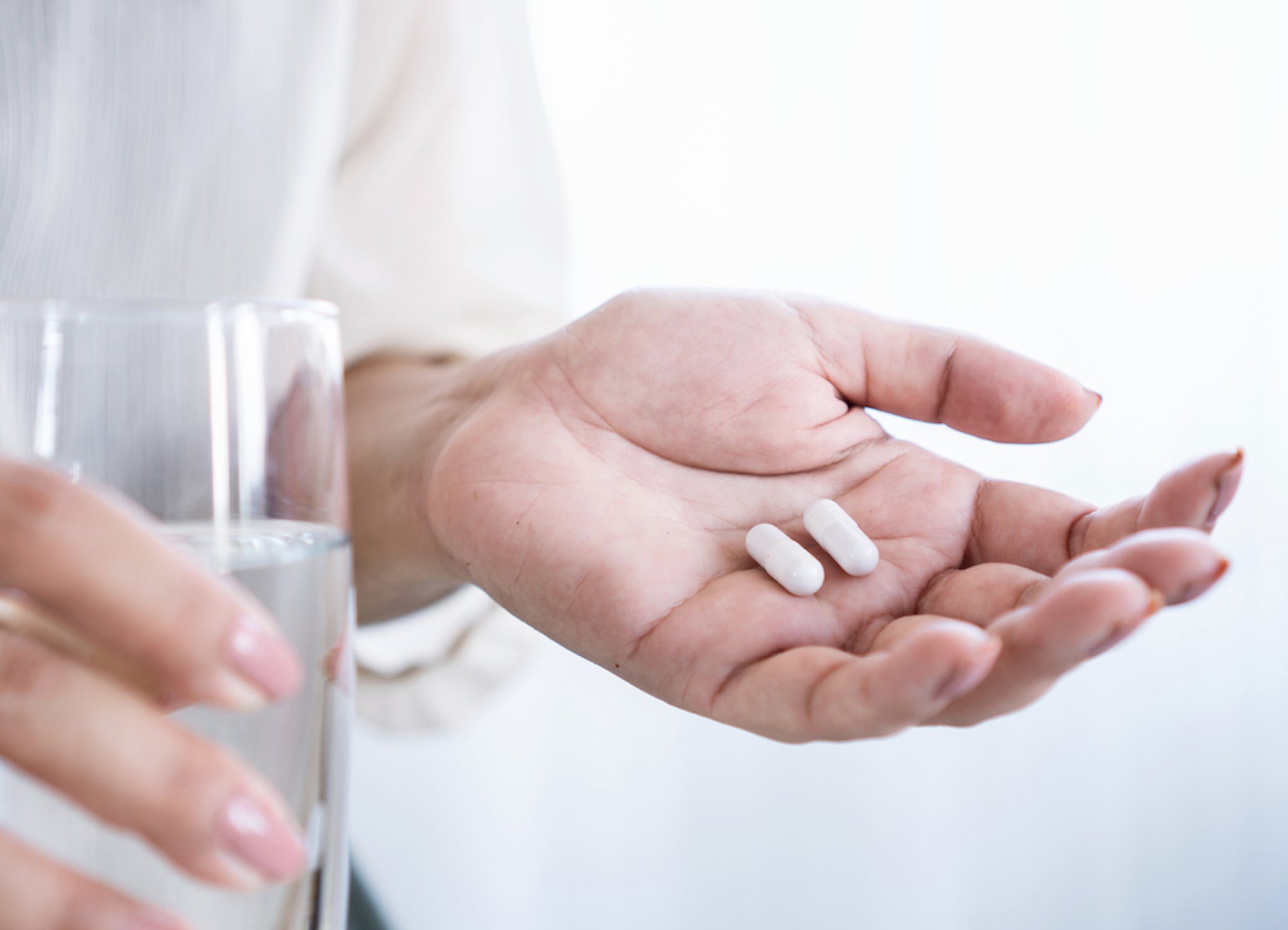
What are the different types of probiotics?
“There are many different types of probiotics, and they're grouped by species and strain,” says Hope. “The most common ones people take for general wellbeing are Lactobacillus and Bifidobacterium, which support digestion and gut balance.”
These two strains are usually found in supplements and powders but will also be listed on the back of fermented and dairy-based health drinks and products you might find on supermarket shelves and in health food shops.
“Lactobacillus helps break down lactose, supports nutrient absorption, and makes lactic acid, which lowers your gut pH and discourages harmful bacteria,” says English. “If you don’t want to take a supplement, it’s naturally found in live yoghurt, kefir and sauerkraut.”
“Bifidobacterium supports gut and immune function and helps keep less helpful microbes in check,” she continues. “Because many Bifidobacteria are sensitive to oxygen, foods may deliver smaller amounts, so in this case supplements can provide more reliable doses of named strains.”
Hope adds that it’s always important to avoid supplement red flags and to research the companies that make your supplements before taking anything. It’s also worth noting that some strains simply won’t survive the journey through your gut and they’ll be killed off before they can do any good. This is why it’s worth looking for a quality, bioavailable supplement that’s undergone clinical testing, or getting your bioavailable bacteria from food.
“Make sure the products are formulated well and will survive your stomach acid,” advises Hope. “Always seek advice if you’re unsure.”
Read more: Experts explain how to improve gut health with food

Who can take probiotics?
Given all the benefits of probiotics, you’d think most people should be taking them. In actual fact, while most people can take them, not everyone needs them. Stansbie recommends thinking of probiotics in the same way one should think about multivitamins.
“Not everybody needs probiotics if their diet covers all of their nutritional needs. It’s better to test for what’s missing in your diet – for example, vitamin D when talking about multivitamins, or Bifido bacteria when talking about probiotics – than just take a general probiotic and hope it works,” she says.
There’s only one situation where the nutritionist recommends taking a general spectrum probiotic and that’s if you’re taking antibiotics.
“Antibiotics wipe out the good gut bacteria from the gut whilst helping you fight the bugs giving you an infection,” she explains. So it’s recommended to take probiotics at the same time, to help support gut health and also lessen the likelihood of common side effects of antibiotics, like diarrhoea.
We know that for the majority of people, taking probiotics leads to a healthy gut microbiome, which supports your digestive health and overall wellbeing. However, Stansbie explains that you should only take probiotics when you need to.
“Taking probiotics when they’re not needed can lead to an altered gut microbiome. I’ve seen it so many times in my clinic where people are complaining of gut issues, despite having taken a probiotic for a year - it’s because they’ve imbalanced their gut bacteria,” she says.
Read more: How I wellnessed my way out of the winter blues with sleep, sunlight and good gut health
“I would not recommend taking a probiotic for longer than three months. If there are no major gut issues and you have a varied diet, it’s most likely that all the good gut bacteria are already present in your gut. Taking a probiotic will just alter the balance.”
English agrees that probiotics aren’t for everyone. “Be mindful that there’s an adjustment phase as your gut adapts, which can lead to temporary gas or bloating. If these symptoms are severe or last beyond two weeks, stop and seek advice,” she says. English adds that those with compromised immunity or a serious illness should always speak to a clinician first.
So if you’re considering taking a probiotic, or are already, Stansbie wants you to remember that probiotics aren’t a magic wand (as is the case for all supplements). “Nutrition and food intake play the most pivotal role in your digestive wellbeing,” she says.
English reveals her rule of thumb, explaining that supplements help when you need targeted strains for a specific gut health goal, but otherwise, it’s always food first.
“Incorporate kefir, kimchi, live yoghurt, miso, and sauerkraut. The gut shifts with diet, sleep, stress, travel, medication, and infections, which is why consistency with a healthy diet always beats quick fixes,” she says.
Take a smarter approach to feeling good. Sign up to the Well Enough newsletter for evidence-based wellness insights.
Join our commenting forum
Join thought-provoking conversations, follow other Independent readers and see their replies
Comments
Bookmark popover
Removed from bookmarks