Why Gen X parents like me are having more sex than our Gen Z kids
Millennials are still topping the charts, but their younger brothers and sisters have lost their mojo and are having even less sex than their parents and grandparents. Rowan Pelling looks at why that may be

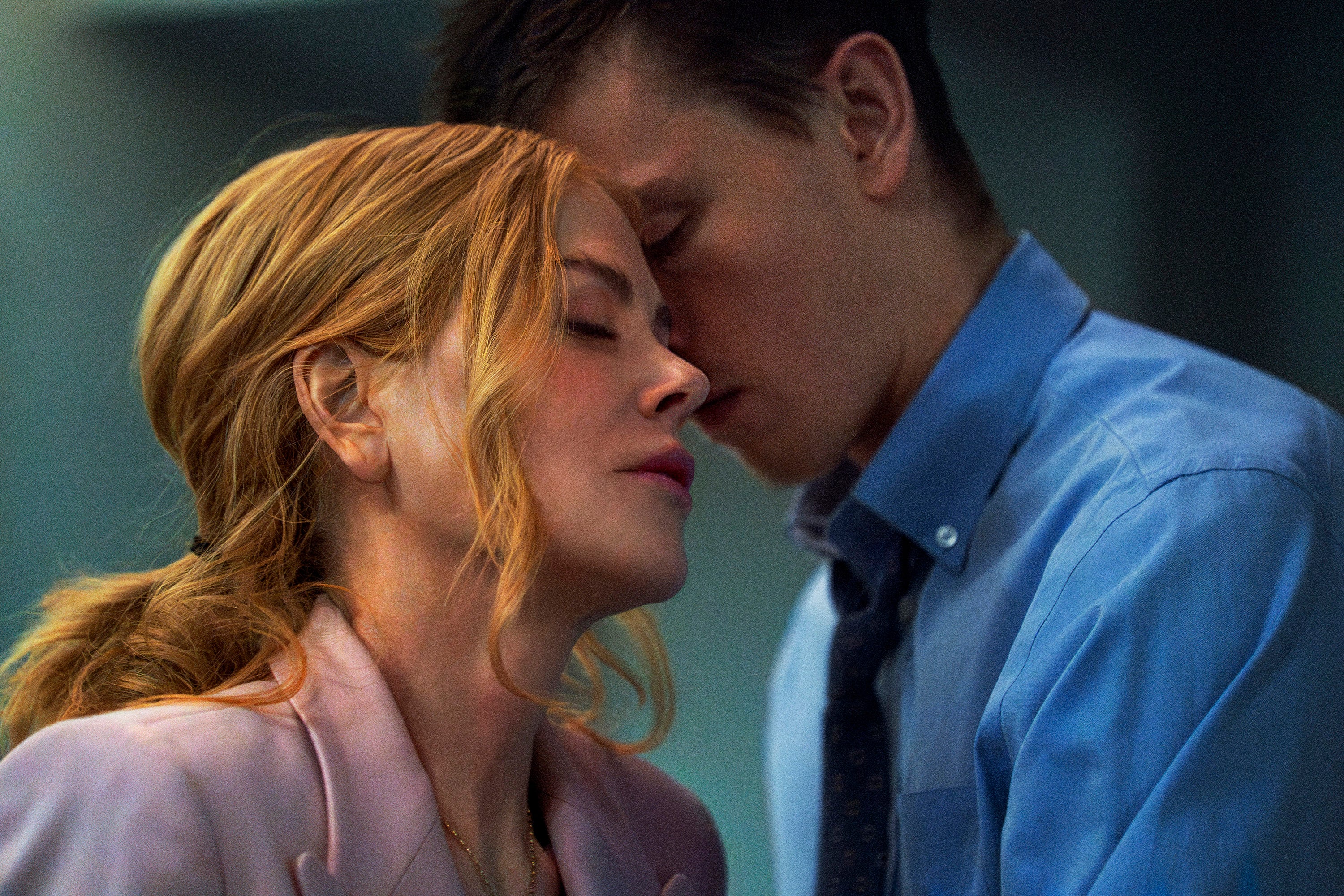
Sex, drugs and rock’n’roll was once the rightful province of the young – the latter two leading to the former – while oldies spluttered disapproval that was often rooted in jealousy. Nottingham Playhouse’s acclaimed new production, The Last Stand of Mary Whitehouse, reminds us of a lost era (the 1960s to the 1980s) when a grey-haired former art teacher generated countless headlines by fulminating against pre-marital sex, the counterculture and homosexuality.
Fast forward 50 years and now your average retired, female art teacher would have pink or platinum hair, be on HRT and quite possibly Hinge, enjoying plentiful sex without the fear of pregnancy. So dramatic is the erotic glow-up of Gen X and Boomers that a new survey from sex-toy retailer Lovehoney has just reported – shock, horror – that “grandparents and parents” are having more sex than Gen Z (the benighted tribe of youngsters aged 18 to 26).
These findings mirror the UK’s biggest and most trusted monitor of sexual behaviour Natsal (The National Survey of Sexual Attitudes and Lifestyles), which has also reported a distinct decline in amorous liaisons among Gen Z. Nor is this an uptight British youth thing: America’s National Survey of Family Growth and France’s Fécondité-Contraception, which also use large data sets to monitor their nations’ libido, have noted identical trends. Millennials are still topping the sex charts, but their younger brothers and sisters have lost their mojo.
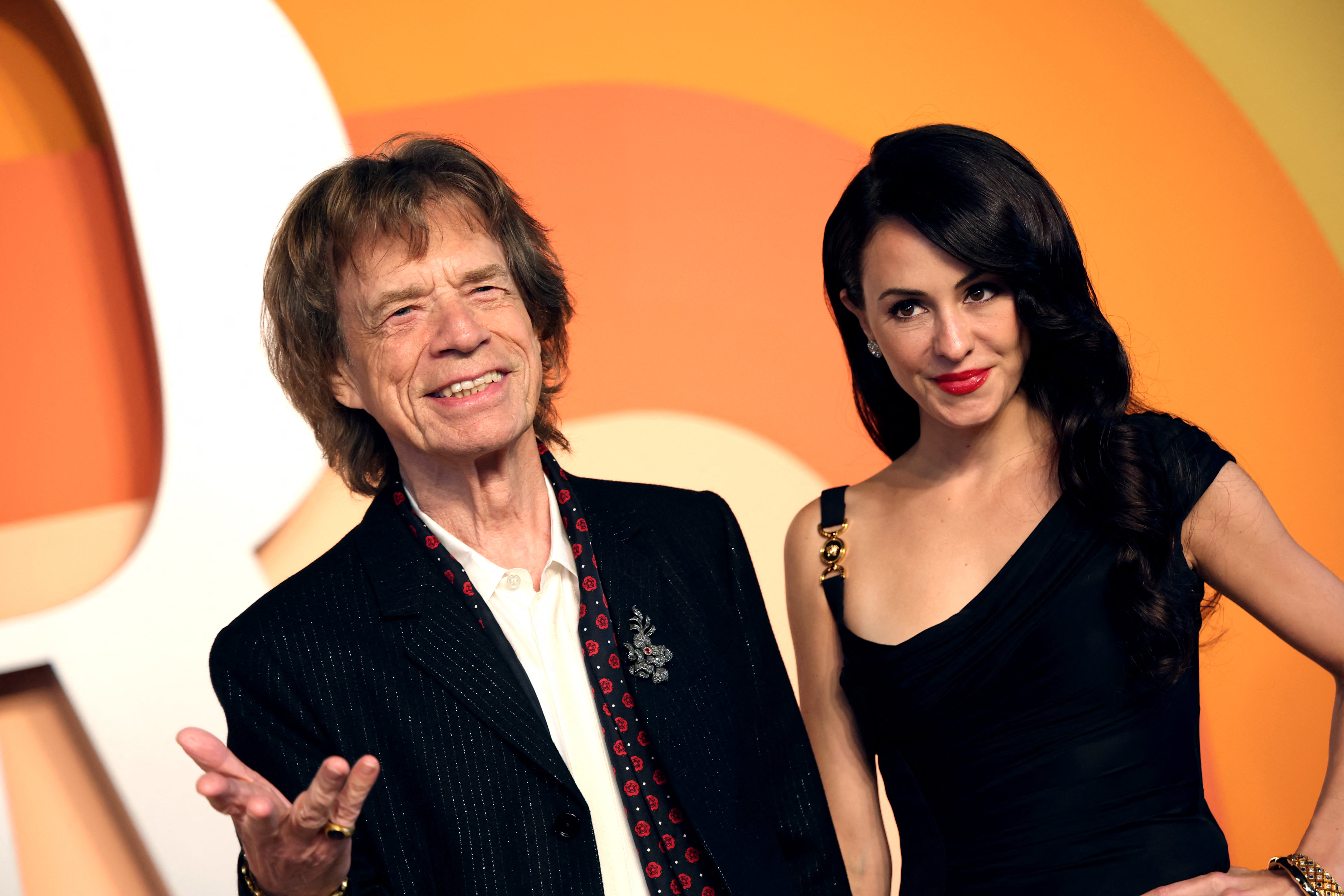
You don’t have to be Masters and Johnson to make an educated guess as to why this is happening. The Boomers and Gen X were the last demographics to widely afford home ownership and to benefit from long periods of low inflation, economic growth, secure employment, generous pension schemes and improved public health. We grew up believing in our sacred right to travel, leisure, exercise and partying like it’s 1999, which we duly did before and after the millennium. We refuse to grow up and have the cash to sell out Glastonbury tickets in nanoseconds. If Mick Jagger and Madonna aren’t giving up on kneetremblers, why on earth should we? Especially now we have the hormone patches and Viagra to keep going.
Generation Z are a whole different kettle of fish – I should know, I have two at home and six nieces and nephews in the same cohort. These sacrificial lambs came of age amid the mind-warping distortions of the internet age and the physical, psychological and economic ravages of the Covid pandemic.


As if that weren’t enough, they face the horrors of eco-devastation and daily news of fresh deaths in Ukraine, Gaza and Sudan. Social media made them frontline warriors in the gender wars, where hyper-fluid influencers propose up to 72 different identities, some of which scream “pathological fear of sexual intimacy”. There’s nothing new in being “asexual”, but what about “aromantic” (feeling no romantic attraction to others), “demisexual” (can only feel sexual attraction after forming a strong emotional bond) or “queerplatonic” (unusually intense same-sex friendships that are not sexual)?
But more to the point, they have grown up in an age where the normal way to meet potential mates is via dating apps. My 21-year-old student son is not unusual in thinking it’s “creepy” to chat up strangers in clubs and pubs. Also, like many of his age group, he barely drinks – which means the drunken fumbles that defined my generation’s apprenticeship in sex have become more frowned upon.
Meanwhile, apps like Tinder, Bumble and Hinge encourage a conveyor-belt, swipe-right mentality, where one fledgling romance becomes fungible with others. The young women I canvas live in dread of being liked, seduced, then ghosted – they’d rather not date at all than be treated as disposable. Often, I wonder if a young woman’s gender fluidity is more based on a mistrust of their male peers than true sexual instinct. Added to which, both sexes are aware of the pervasive influence of online porn on sexual behavior and fear that an olympic standard of erotic expertise is needed.
And if a youngster does make it through the Sexual Slough of Despond and back to their bedroom, their chances of privacy are zero. Almost everyone in this age group is either living with their parents or in a packed student dorm. Long gone are the days of squats and cheap rentals, where you could entertain your lover in the paradise of a Harrow Road bedsit, as I did circa 1991. No wonder they’re the most anxious generation since Dr Freud invented psychoanalysis: every other teen has a diagnosis of ADHD, ASD or OCD and a great number are on antidepressants, which can further dampen libido.
Instead, it’s we oldies reaping the key benefits of the topsy-turvy new sexual order. Married couples who have weathered the child-rearing years are suddenly empty-nesters who have the time and space to re-fire their sex lives. It’s not uncommon for partnered-up Gen Xers to experiment with “love drugs” like MDMA to recreate the ecstatic connections many found on the dance floor in the 1990s. Quite a few women I know have, in a similar spirit, gone on Tantra courses, or taken psilocybin (magic mushrooms) to recover their lost erotic, creative selves.

Among the older singles I know, there’s such a surge in the use of online dating sites that many 50, 60 and even 70-somethings are having second awakenings. A 61-year-old by-the-book acquaintance stumbled into a Soho bar meet-up two weeks ago with the conversation-stopper: “I had my first threesome last night, two men and one woman.” He then proceeded to tell the silenced drinkers that this encounter was his first experience of gay sex and wouldn’t be his last.
I sometimes wonder if the large swathe of oldies unleashing their libido have now frightened their offspring back into a Peter Pan-like Neversexland – just as AbFab’s Saffy became ever more puritanical in the face of her unboundaried mother, Edina. Nothing is liberating for the young about silver foxes and vixens boasting of orgasmic pleasure – if the oldies are doing it, it just becomes something you’d pay to avoid.
By setting about our own personal, late-life sexual revolution, we have grabbed young adults’ erotic oxygen and denied them space to feel they’re breaking taboos and exploring uncharted delights. We libertines may pay a sky-high price for our pleasures if our children shut up shop altogether and never reproduce.
Join our commenting forum
Join thought-provoking conversations, follow other Independent readers and see their replies
Comments
Bookmark popover
Removed from bookmarks