Schools are ignoring Holocaust Memorial Day when it is needed more than ever
Increasingly, teachers are opting out of marking Holocaust Memorial Day, with many deeming the Holocaust “controversial” amid public concern about the war in Gaza and anger over the actions of the Israeli government. A day about humanity should never have been turned into a political act, says Lauren Libbert.
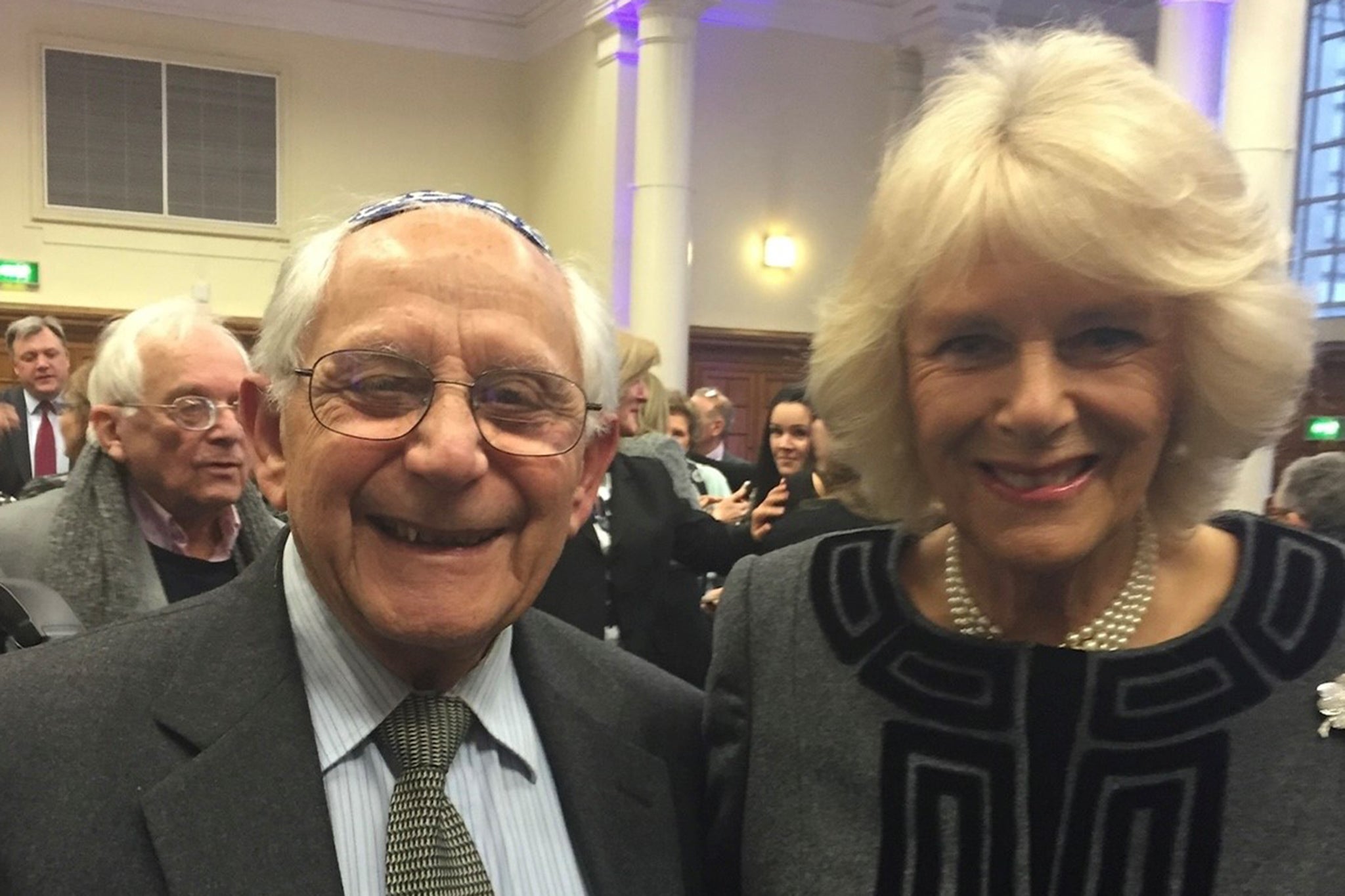
Harry Olmer MBE came to Britain in 1945, 17 years old, traumatised, alone, his parents and three of his siblings had been murdered by the Nazis. For three years, he managed to survive the murderous concentration camps across Poland and Germany, working 12-hour shifts of hard manual labour, on a starvation diet of stale bread and watery soup. As a teenage boy, he witnessed Nazi cruelty first hand; men being beaten, shot, poisoned from working with picric acid and collapsing from sheer exhaustion.
His story of survival is remarkable on its own. Olmer managed to secure a place to study dentistry at the University of Glasgow, went on to marry and have four children and became the longest-serving dentist in the UK, retiring at 86. His resilience and strength in the face of adversity is a lesson to us all. And his message to future generations? “Be human”.
Olmer died just two weeks ago, aged 98, having spent the last 30 or so years of his life going into schools across the UK, warning them against the rise of hate and prejudice towards those with differing ethnicities. He was a proud Jew with unwavering faith who had experienced the worst of humankind, simply for being Jewish, and he wanted to share his story as a warning to future generations.
_1b.jpeg)
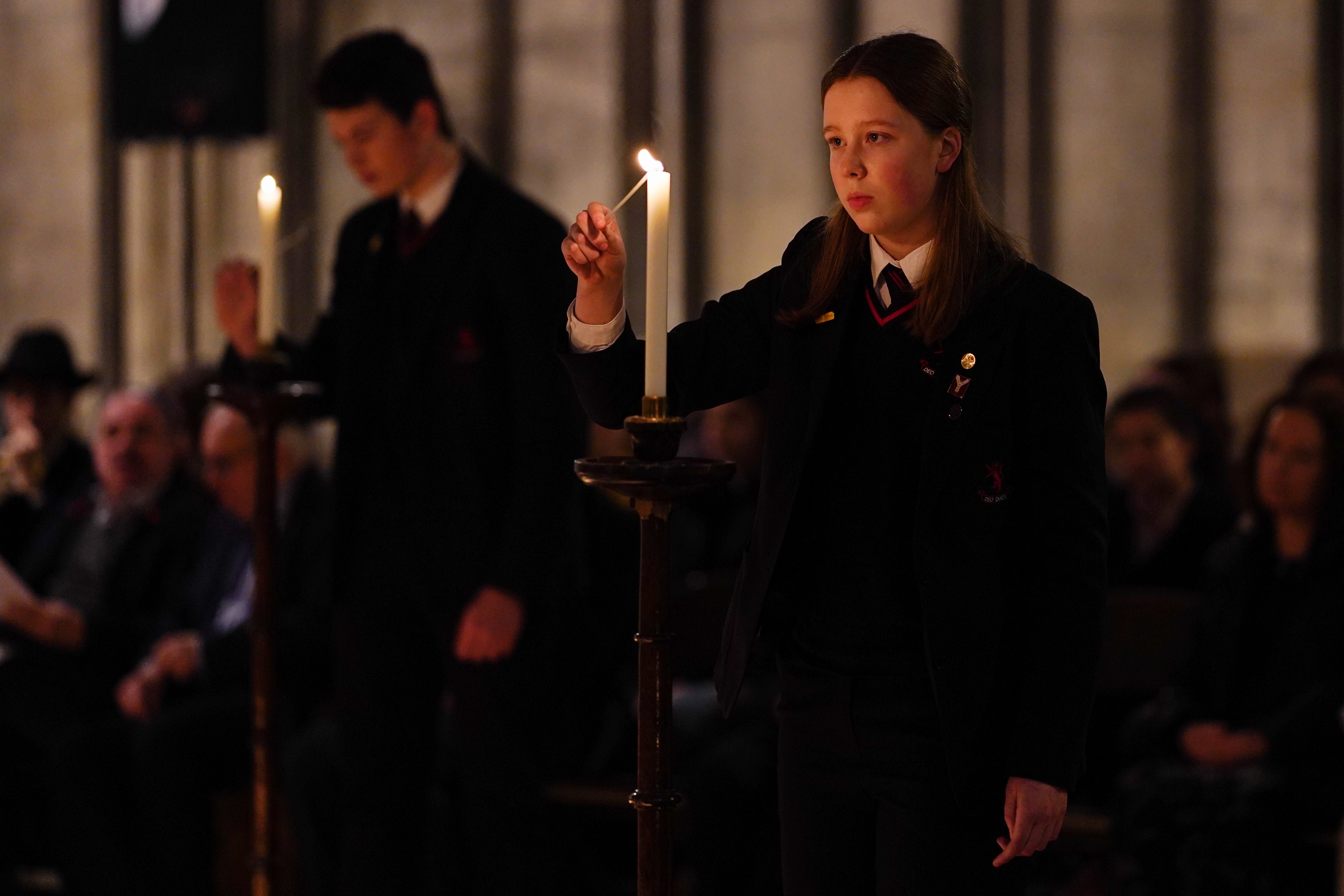
Sadly, there is less interest in heeding these warnings. It’s Holocaust Memorial Day (HMD) today, but in many schools around the country, you’d never know. Instead of special assemblies, minutes of silence or lighting candles in remembrance, the bell will ring at the end of the day, and thousands of pupils will exit the school gates, oblivious of the day’s significance, having had no lessons about the dangers of hatred, bigotry and antisemitism.
-1.jpeg?quality=75&width=230&crop=3%3A2%2Csmart&auto=webp)

Following a commitment made by the government in 1999, the first official UK Holocaust Memorial Day took place on 27 January 2001, a national day to commemorate the six million Jewish men, women and children murdered during the Holocaust, and the millions more murdered under Nazi persecution. Yet, according to new figures released by the Holocaust Memorial Day Trust, the number of schools marking it has more than halved since 7th October 2023, down from more than 2,000 secondary schools in 2023 to just 854 in 2025.
Schools are now increasingly opting out, with many deeming the Holocaust “controversial” amid public concern about the war in Gaza and anger over the actions of the Israeli government. This comes at a time when young people’s knowledge of the Holocaust is in serious decline. According to a recent survey by the Conference on Jewish Material Claims Against Germany, a third of young adults in the UK were unable to name Auschwitz or any death camps, and 23 per cent admitted they had encountered Holocaust denial or distortion while on social media.
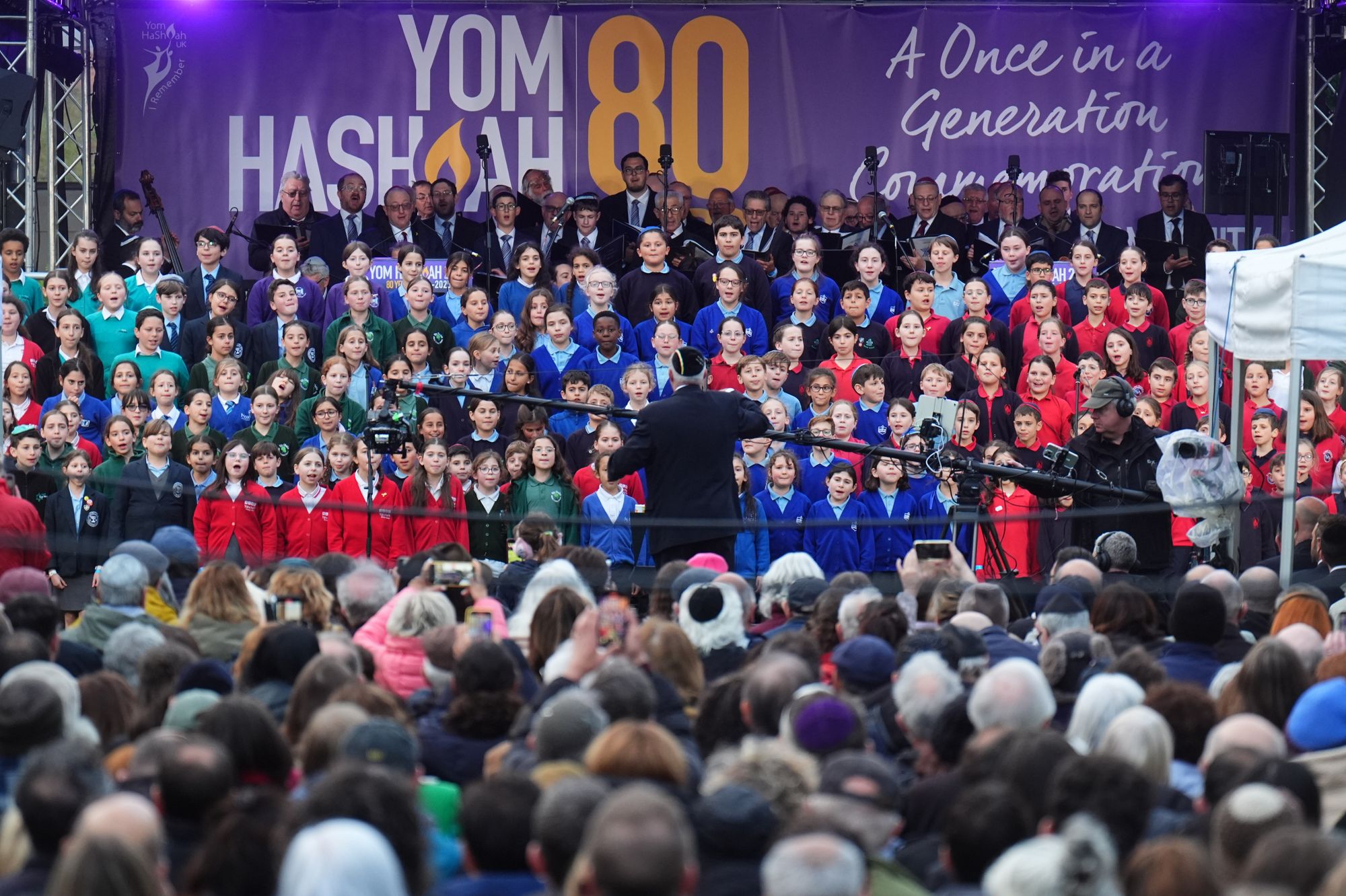
Against the backdrop of an increasingly polarised society and the rise of white supremacist rhetoric in the US and Jewish families being gunned down on Bondi Beach, it feels more urgent than ever to understand how a seemingly humane society can turn when prejudice and fear take hold. HMD is a day to remember the Holocaust, and also to give lessons in compassion and tolerance for others – no matter what their ethnicity or race – at a time when we clearly need it most.
In addition to the Holocaust, HMD commemorates victims of the Khmer Rouge in Cambodia (1975–1979); the genocide against the Tutsi in Rwanda (1994), in which around 800,000 people were murdered in 100 days. The Srebrenica genocide (1994-1995), where more than 8,000 Bosniak Muslim men and boys were killed; the mass killings in Darfur in 2003 and the genocide against the Yazidi people (from 2014).
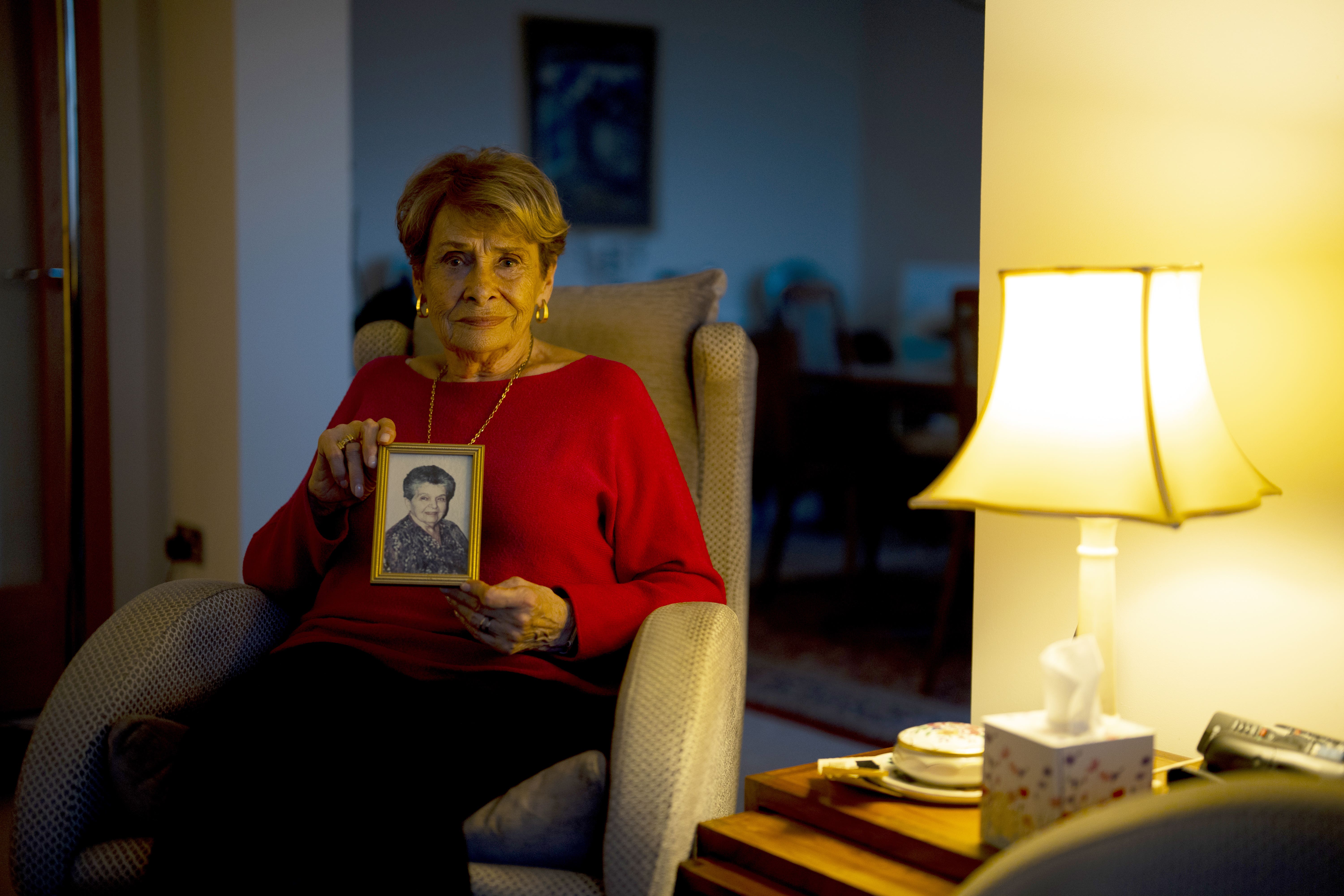
Holocaust survivors like Olmer carry the torch of the central message of Holocaust Memorial Day: to challenge hatred, racism and antisemitism. They spend countless days visiting schools, community centres, businesses and football clubs, acting as living oracles of history. Their stories serve as a warning of what can happen to a society when hate becomes the overriding force. But as survivors of the Holocaust age and die, their siren calls are in danger of fading and being lost forever.
We are at a perilous crossroads: more antisemitism and intolerance and fewer surviving witnesses to talk about what can happen if warnings aren’t heeded.
Ike Alterman BEM, an Auschwitz survivor who died two months ago aged 97, spent many years talking to young footballers in Manchester and the north west, warning them against prejudice and intolerance. “Hate is a disease” was Alterman’s motto, and despite the murder of many members of his family, he refused to hate all Germans.
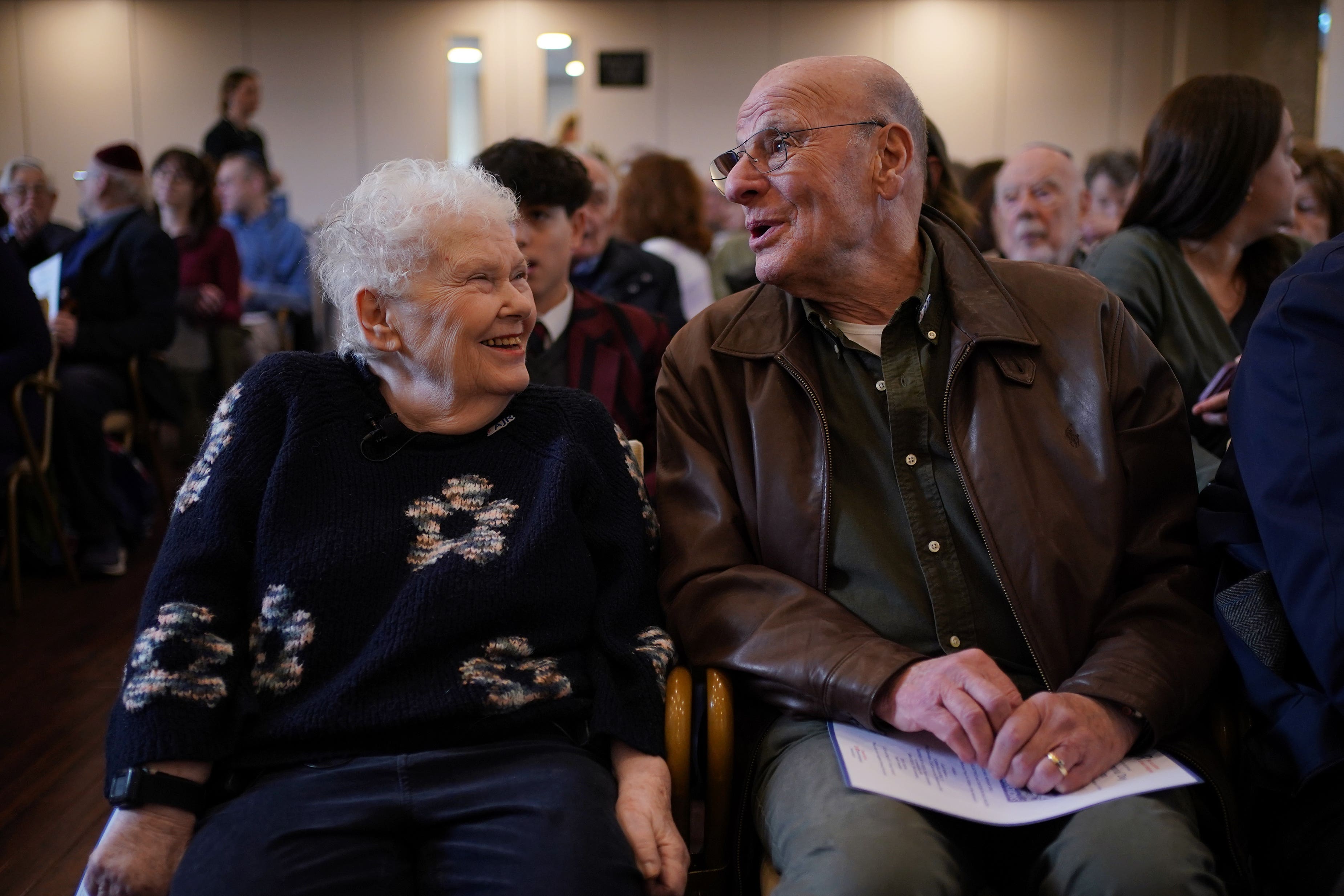
Joe Westley, a 21-year-old professional footballer, heard him speak when he was a youngster and was blown away: “To hear the mental strength Ike had during those awful times was incredible, and he has taught me many valuable lessons. A brilliant, incredible and inspiring man.”
I think of these survivors’ words as pieces of gold, a rare first-person treasure trove of history, but also an armoury of sorts against denial and hate. But the pendulum of time is swinging against us. Our youngest “client” is 87, the eldest about to turn 102.
Everyone, young and old, should know these incredible stories. Take Czech-born Lydia Tischler, MBE, 97, whose mother was murdered in the gas chambers at Auschwitz. Tischler came to Britain in 1945 and trained to be a child psychotherapist under Anna Freud, understanding that, post-Holocaust, a way to mother herself was to “mother other children.”

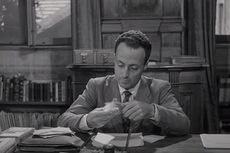
As a refugee herself, Tischler was the first to take in a Ukrainian mother and daughter when the war broke out four years ago, and, in her book, Freud, Hitler and Me, she vehemently believes the only way to prevent another Holocaust is not to project hostility and destructiveness onto the “other” – whatever their ethnicity.
Rachel Levy BEM experienced the full horrors of Auschwitz-Birkenau, where 1.1 million people in total were killed. While 90 per cent were Jewish, the remaining victims included Poles, Roma and Sinti people, Soviet prisoners of war, and others. For years after the war, Rachel was unable to look at a factory chimney without remembering her mother and siblings who were murdered in the gas chambers. But she strongly believes we need to turn our faces towards what happened. We must remember the Holocaust. “History repeats itself,” she wrote in her book, ‘I still Dream in Yiddish’. “I know it can happen anywhere.”
Having survived the Nazis, who embodied the very worst of humanity, Alterman, Tischler, Olmer and Levy emerged as living embodiments of the best of humanity. Alterman and Olmer are no longer with us, and it won’t be long before there will be no Second World War survivors left to tell their stories.
We are in a race against time for these survivor voices to be heard. Which is why for the My Voice project, we are taking these unflinching memories from Holocaust survivors and turning them into books and films that can be taken into schools, libraries, civic centres and museums. Researchers spend months with each survivor, gleaning every detail of their pre-war early life and the atrocities they experienced during the war, to the families and careers they eventually built here in England, where they arrived as refugees, many of them orphaned, with nothing.
HMD was always meant to be an annual reminder to our young people to remember, to know to be tolerant and kind and stand up for difference and be resilient against hate.
Remembering the Holocaust isn’t and never should be a political act, but a human one.
For more information or to be sent the My Voice books and resources, please visit www.myvoice.org.uk or email info@myvoice.org.uk.
Join our commenting forum
Join thought-provoking conversations, follow other Independent readers and see their replies
Comments
Bookmark popover
Removed from bookmarks