In the middle of Ukraine’s fiercest winter of the war, many Ukrainians are unable to prepare hot meals or are unable to heat their homes while temperatures have dipped as low as -20C in the past few weeks. Harsher weather is forecast.
Russia has once again targeted Ukraine with sustained attacks on power stations, energy grids and heating nodes affecting electricity, as well as heating systems and water pumps.
Following the Russian strikes on January 20, around 5,600 apartment buildings in Kyiv were left without heating and almost half of Kyiv was believed to be without heat and power, affecting around one million people. The situation is so dire that the city has set up “heating tents” to help people stay warm in the freezing temperatures. Other cities have also been attacked.
Ukraine’s president Volodymyr Zelensky declared the situation an energy emergency.
One factor is that as a legacy of Ukraine’s membership of the Soviet Union, Russia probably holds deeper knowledge about Ukraine’s centralised energy systems than an outside nation would generally have.
For decades Ukraine’s energy system was linked to Russia and Belarus as part of a centralised grid, and was “tightly connected to Russia’s energy architecture”. While this did not mean Ukraine was dependent on Russia for its energy supply, it did mean that Russia played the central role in coordinating frequency and balancing supply and demand across the whole network.
Some Ukrainian officials have argued that the nature of these attacks suggests that Russian knowledge of Soviet-era energy systems has helped it to target Ukraine’s energy centres.

There’s another big factor for the Ukrainian authorities to struggle with.
While Ukraine’s authorities were quick to restore heating in around 1,600 buildings, an estimated 4,000 remained without heating on January 21. The challenge in Ukraine is more severe than it might be in other countries because of the centralised systems for water, sewage and heating used by its urban neighbourhoods, known as district heating.
What is district heating?
Ukraine still relies heavily on Soviet-era thermal heating systems using mostly gas. The percentage of households that rely on district heating varies by region and city, with a particularly high percentage of these buildings, mostly built in the 1960s, in densely populated urban cities including Kyiv.
Thermal power plants usually heat water which is then piped around districts and to individual pumping stations. It is then distributed to apartment buildings. But if the pipes are full of water and power for heating is off, the pipes can burst if the water freezes. Right now, with temperatures spiralling downwards this is a major threat.
Each district heating system can serve tens of thousands of citizens across multiple buildings and, when powered with renewable energy, they can be significantly more efficient, cost-effective and low-carbon than individual boilers. District heating systems depend much more on fixed physical infrastructure, including large pipes and pumping stations, to circulate hot water.
.jpg)
But centralised infrastructure is inherently vulnerable to physical attack. Damage to a major transmission pipe or the loss of a key pumping station can disable heating across entire neighbourhoods, particularly during winter.
Russia has damaged around 8.5GW of Ukraine’s power generation since October 2025, or around 15% of pre-war capacity. With the amount available nearly matching the amount generated there’s little room to redistribute energy within the system.
Whatever the system’s weaknesses may be, no energy system in the world is built to sustain continued bombardment.
Ukraine relies on nuclear power
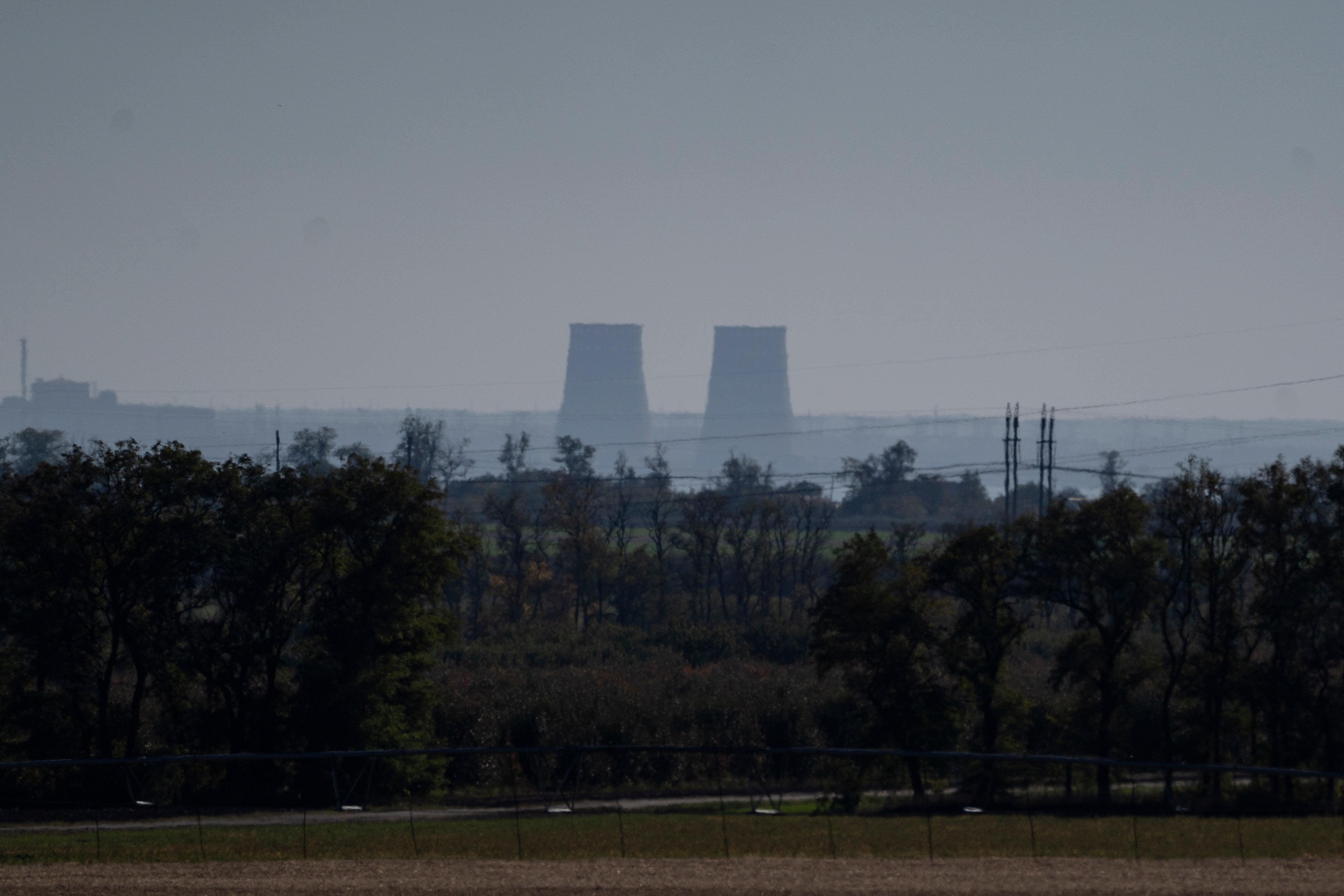
Ukraine’s energy system is also largely dependent on nuclear power. Around half of Ukraine’s electricity is nuclear-powered, with coal-fired power plants making 23% and gas-fired plants 9%. In all cases these are features of a highly centralised energy system.
About the author
Pauline Sophie Heinrichs is a Lecturer in War Studies, Climate and Energy Security, at King's College London. This article is republished from The Conversation under a Creative Commons license. Read the original article.
Patterns of attacks indicate that Russian forces monitor where repairs are under way and then hit the same sites again once they are restored. This has compounded repair costs and prolonged the loss of critical services. Kyiv’s mayor Vitali Klitschko said that the situation was difficult because most of those buildings that were being reconnected for the second time were damaged as part of a previous attack on January 9.
Russia uses “double-tap” strikes, where a second attack follows closely after the first. This often endangers emergency services and repair crews rushing to restore heat and electricity. Such tactics force officials to balance the urgent need to fix infrastructure with the risk to workers and civilians.
Even before the war, there were weaknesses in Ukraine’s energy and power networks. Old water systems and heating devices — and often entire buildings — need to be reconstructed.
However, Ukraine had already started to reduce technical reliance on Russia before the war. The dependency on the post-Soviet system changed in March 2022, when Ukraine’s grid was integrated with the European Network of Transmission System Operators for Electricity, (Entso-E), a Europe-wide association of national electricity transmission system operators.
These attacks have had significant consequences on hospitals, transport systems, and vulnerable people in their homes. This devastating cycle of repeat strikes in the middle of an incredibly cold winter has intensified Russia’s energy terror.
Join our commenting forum
Join thought-provoking conversations, follow other Independent readers and see their replies
Comments
Bookmark popover
Removed from bookmarks