Cuba is crumbling and Trump twisting the knife could be killing its tourist dream for good
Five years on from Covid, Cuba has not recovered. Inflation has skyrocketed, and as Trump continues to impose draconian travel restrictions, infrastructure is crumbling. Rebecca Bodenheimer reports on the growing crisis affecting what was a much loved tourist destination

Hotel Torre K-23 looms above Havana. Owned by the Spanish Iberostar Group, it’s Cuba’s tallest building; a totem to the island’s tourist industry. Nonetheless, most hotel rooms on the island sit empty. In 2024, the occupancy rate was below 30 per cent.
Early last year, when I walked Hotel Torre, it was surrounded by mountains of garbage. And while it is open to visitors, many are unable to stay the night. In June, it was put on the “restricted list” of businesses that US citizens are effectively banned from engaging with.
Cuba is one of the 19 countries listed in Trump’s latest travel ban. US citizens were already prohibited from visiting the island for tourism, although there are 12 "permissible" types of travel, including study, sports competitions and educational visits. Now, the US government says it will enforce the ban more stringently. And further restrictions have been introduced that are designed to penalise any financial transactions with businesses affiliated with the Cuban regime – including Hotel Torre.
The State Department argues that the businesses “are under the control of, or acting on the behalf of, the Cuban military, intelligence or security services.” The Cuban military, via its conglomerate GAESA, owns or manages hundreds of companies that account for anywhere between 50 and 80 per cent of the country’s business revenue.
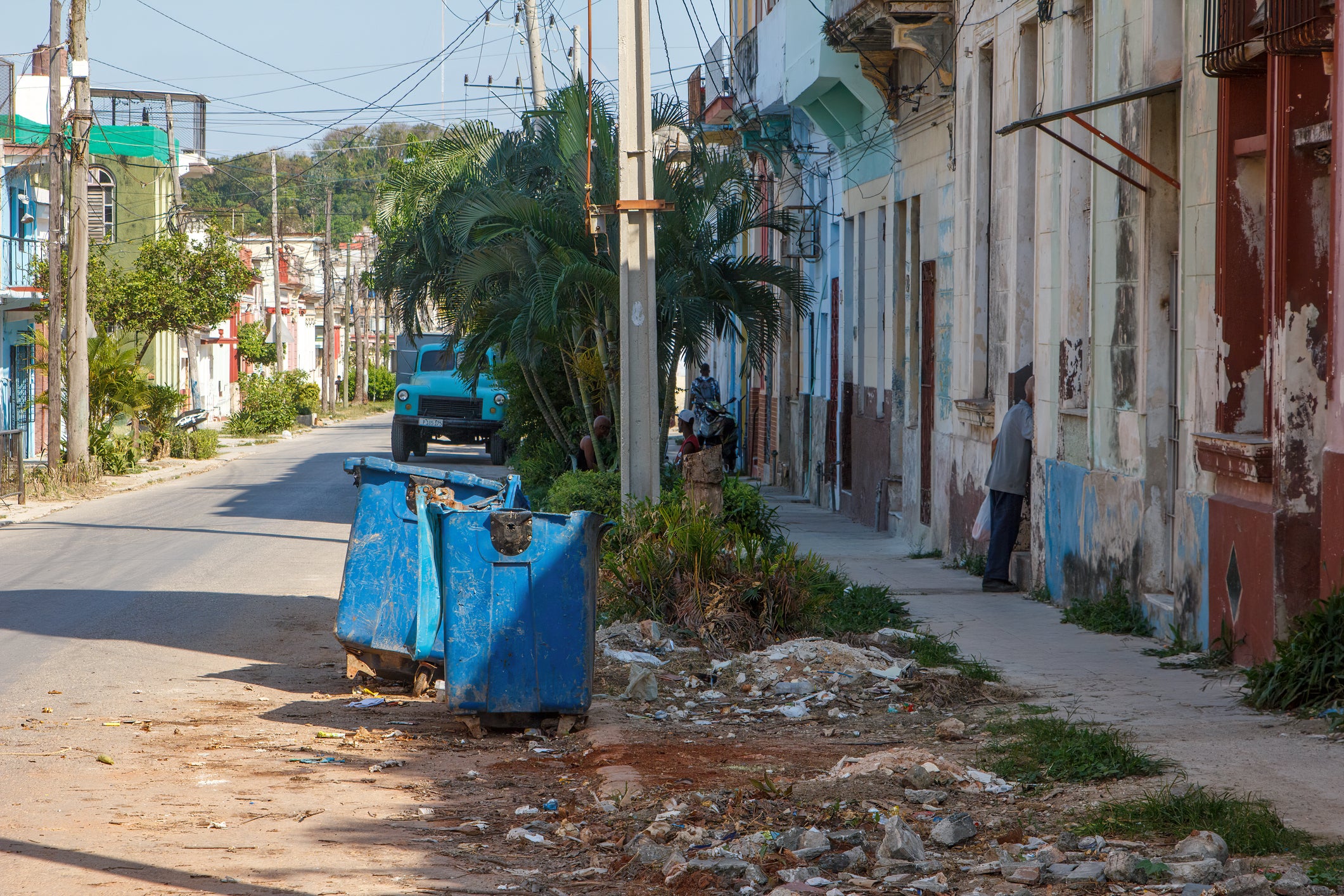
The exact percentage is hard to ascertain because GAESA’s accounts are so opaque (in part to avoid US embargo restrictions), but essentially the military has a monopoly over the Cuban economy – which includes hotels and other tourism-related businesses.
Fraught beginnings
Cuba’s relationship with tourism has long been fraught. Following the collapse of the Soviet Union in 1991, the island experienced a severe economic crisis (the so-called “Special Period”) that led Fidel Castro to open up Cuba to Western tourism – which was vital in rebuilding the economy.
Cuba implemented a dual currency system; theoretically, one currency was for Cuban nationals and the other (dollars) for tourists, though in practice it was a lot messier. Economic inequality began to creep back into Cuban society as those working in tourism gained access to valuable dollars, and those working for the state (most Cubans) were paid in pesos. Dollar stores sprung up selling higher quality goods and some items were available only in dollars.


The Castro government also implemented measures often referred to by experts as “tourist apartheid” – such as not allowing Cuban nationals to enter hotels unless accompanied by foreigners. Cubans and foreigners were prohibited from staying together in casas particulares (rental rooms in private homes) unless they were married.
Police harassment of Cuban nationals also increased, as citizens were regularly stopped and asked for their ID if they were walking with foreigners. Black Cubans were particularly targeted by police and assumed to be jineteros (hustlers). The preferential treatment shown to tourists in Cuba since the 1990s has been well-documented – and seems to contradict the revolutionary rhetoric of the last 60 years.
I experienced these policies firsthand while conducting doctoral research in Cuba in the 2000s. While distressing, it’s not surprising that Global South countries dependent on tourism put the comfort and wellbeing of foreigners before those of their citizens. These are the terms of this Faustian bargain.
Pandemic distress
Needless to say, the pandemic was disastrous for Cuba’s tourism industry and thus its entire economy. Five years later, it has not rebounded. Inflation has skyrocketed, and was exacerbated by the government’s decision to unify the country’s dual currencies in 2021, after many years of putting it off.
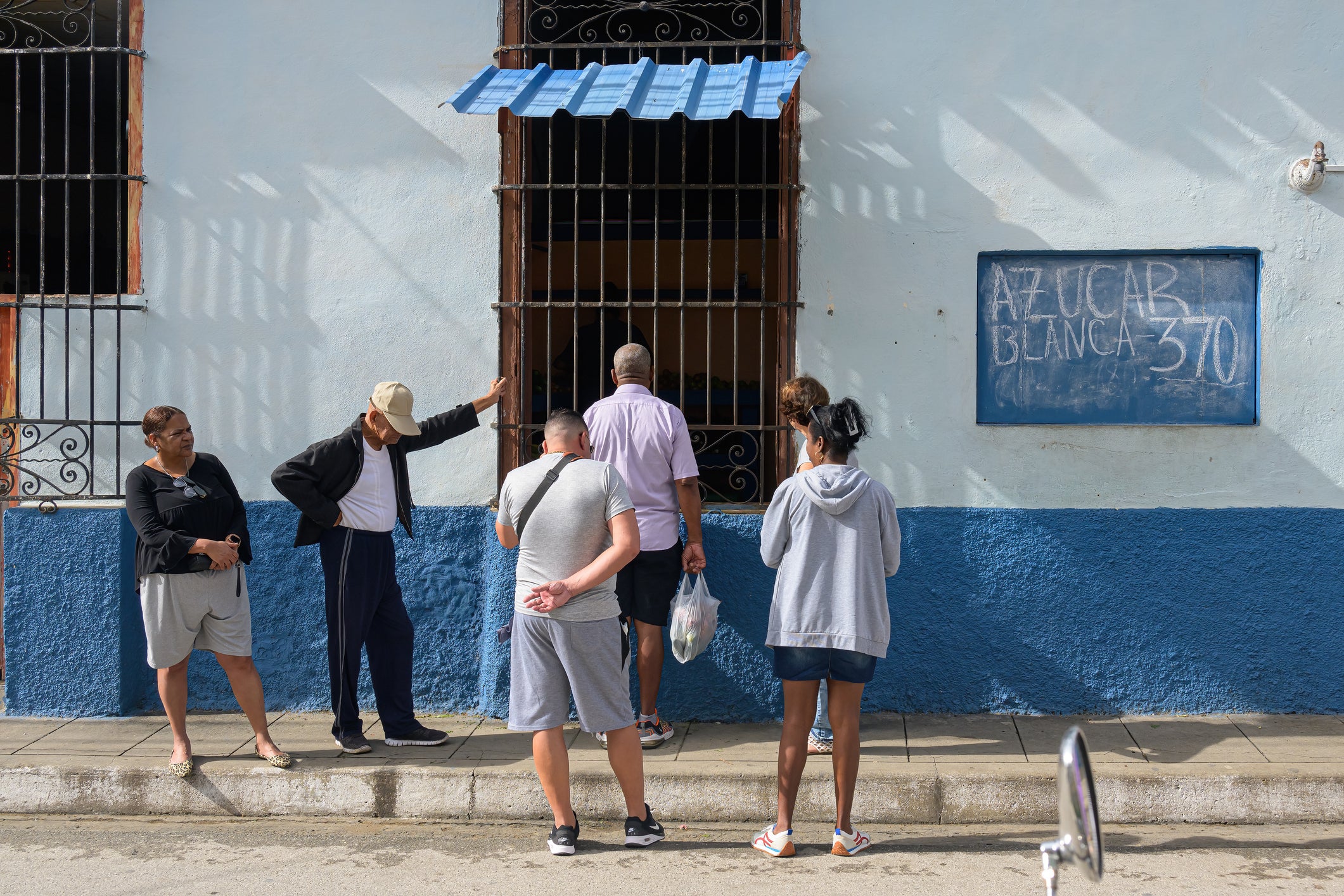
Before 2021, the dollar was equal to about 25 Cuban pesos. On my last trip to the island, in December 2023, $1 (75p) was worth roughly 250 pesos; now it is 390 pesos. A pound of pork, which used to cost 30 pesos, now costs several hundred pesos, and Cuba’s most basic food staple, rice, reached over 300 pesos a pound this year.
Beans, rice, sugar, bread, meat and eggs were once provided to Cubans at a heavily subsidised price through the libreta (ration book), but this system has been steadily decimated. They either buy products at a much higher price in private stores, or go without.
It’s a stark contrast to the dishes available for visiting tourists, who are able to dine in hotels on meals unavailable to the majority of citizens.
Other critical infrastructure is also failing. Cubans have long endured frequent, rolling blackouts, and last October the island went completely dark for days. This happened as Hurricane Oscar tore through the eastern province of Guantanamo, destroying the town of San Antonio del Sur and killing at least seven people.
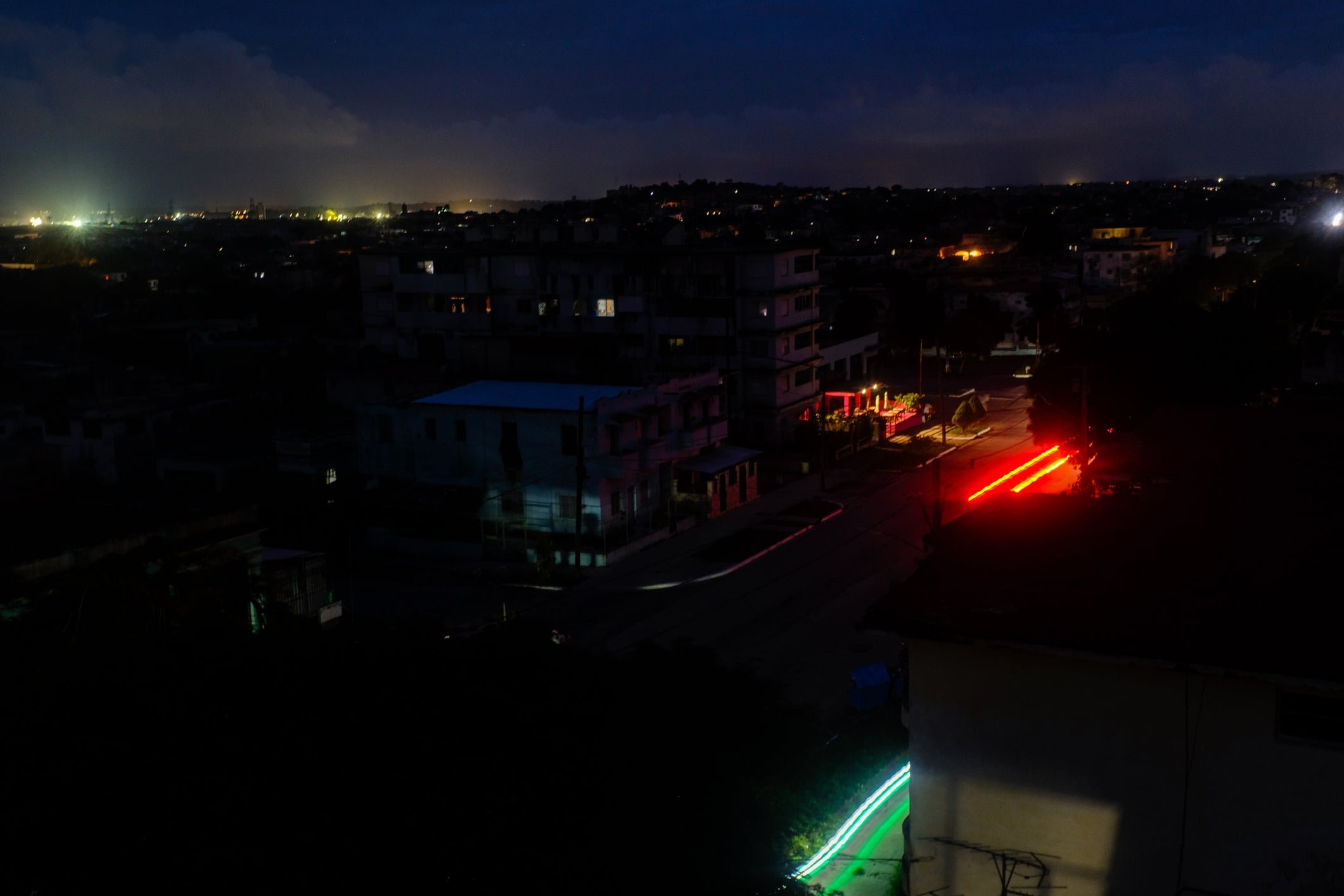
The Cuban government has always been able to quickly mobilise and evacuate people before hurricanes, but this time the affected residents didn’t even receive a warning because of the blackout. And so even before Trump’s new measures were introduced, instability meant that tourists were cautious about visiting, afraid of being trapped in the darkness.
Tourism hopes
Regardless – and despite decaying public infrastructure – the government continues investing heavily in attracting visitors. Pre-pandemic plans to build dozens of new hotels all around the island have continued unabated.
But tourism remains far below pre-pandemic levels. During the first five months of 2025, tourism to the island was down 27 per cent versus the year before, and down 62 per cent compared to 2019. Yet around 40 per cent of government investment in the first half of 2024 was tourism-related.
It’s optimistic – and shortsighted. The island is currently experiencing its largest population exodus since it became an independent nation.
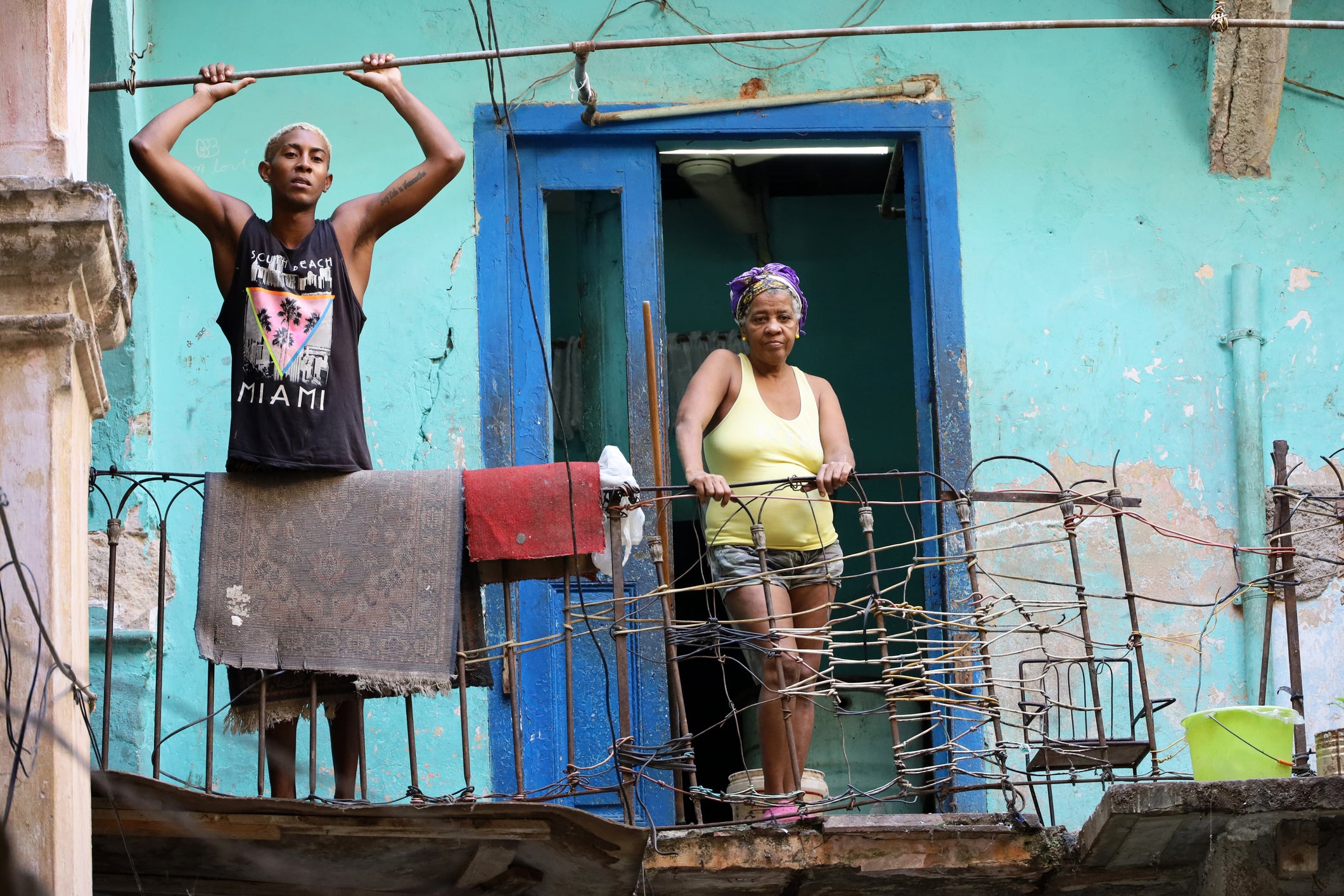
Since 2022, the island has lost between 10 and 25 per cent of its population – figures vary widely because the government has not conducted an updated census count since 2012, but one Cuban demographer cited a drop from over 11 million to 8.5 million people. Cubans no longer want to live among the regime’s negligence, nor prop up an economy that prioritises visitors, rather than citizens. And so the country is in flux.
The economic sanctions imposed by the US have been blamed by the government in Havana for the country’s decay, and with it, its inability to attract visitors. But Washington points to the decisions of the authoritarian regime as justification.


Today, I hear Cubans describe Havana as “empty.” Most of those who have left are relatively young and see no future for themselves and their families on the island. The population was already one of the oldest in Latin America, and the exodus of working-age Cubans will only exacerbate the crisis
The island has always relied on tourism for economic stability, but that plan has long stopped working. Instead, the people of the island are exhausted: I have never seen them express such desperation and hopelessness.
Join our commenting forum
Join thought-provoking conversations, follow other Independent readers and see their replies
Comments
Bookmark popover
Removed from bookmarks