Colourful corals and crystalline seas: Dive into Thailand’s best sea life spots and reef conservation sites
From Koh Tao and Phi Phi to the Surin and Similan islands, discover the most ethical ways to enjoy marine life


What lies beneath the surface of the ocean has long fascinated us, transporting us to another world, and a different realm of the imagination. Shafts of sunlight pierce through shifting blue waters, scattering into golden beams which illuminate the rippling sand. Coral gardens bloom in vivid colours, from deep crimson to banana yellow, sapphire blue to neon orange, danced around by silvery schools of fish which move as one. Octopuses lurk shyly in rocky alcoves, while sleek rays glide silently across the seabed; jewel-bright clownfish weave through anemones, and a solitary turtle drifts with unhurried grace.
It’s a privilege to be allowed to observe marine life, and one of the best places to do so is in Thailand. From Koh Tao and Phi Phi to the Surin and Similan islands, Thailand has some of the world’s most breathtaking coral reefs, and that means some of the world’s best diving and snorkelling spots. Worried that by visiting these places, you’re contributing to the damage of the environment? Don’t be – the great news is that Thailand has many conservation and eco-friendly diving companies who work hard to rejuvenate coral and keep the seas clean.
Diving schools making a difference
Take Koh Tao, for example; widely renowned as one of the country’s premier diving and snorkelling locations – famed for its sea turtles, reef sharks and colourful fish and coral – is home to several diving schools. Among them is the highly-esteemed New Heaven Dive School, which has been operating on the island in the Gulf of Thailand since 1995, and is renowned for its commitment to preserving the local marine ecosystem. In 2007, it launched the award-winning New Heaven Reef Conservation Programme (NHRCP) to further its conservation efforts; they run various projects such as conducting surveys and collecting data to better understand the ecosystem and identify threats to its wellbeing, as well as raising awareness and educating locals and visitors alike.
This helps preserve the area’s magnificent marine life, such as the whale sharks which can often be seen at Chumphon Pinnacle – one of Koh Tao’s best dive sites – for decades to come. Some of the shallowest and most precious reef areas have been designated as ‘no boat zones’, while NHRCP also regularly co-ordinates clean-up initiatives enabling divers to help clear discarded ropes, nets and plastics which can be deadly for turtles, birds and other creatures which depend on the ocean for their survival. Another organisation which operates in Koh Tao is Big Blue Conservation, which encourages visitors to volunteer to help with their initiatives ranging from coral reef restoration and artificial reef projects, to beach clean-ups and taking a marine ecology course to learn more.


Preserving National Parks
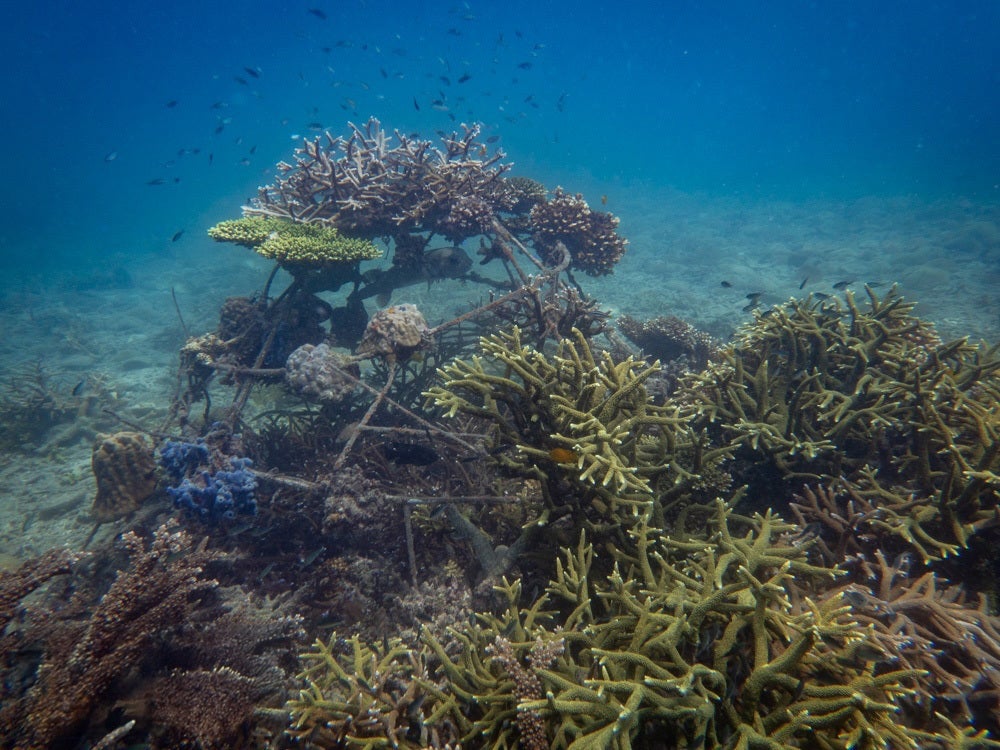
Other beautiful locations in which to observe sea life include the Phi Phi Islands,which form part of the Hat Noppharat Thara–Mu Ko Phi Phi National Park. With their dazzling beaches and sparkling seas, they’re one of the most scenic places in Thailand to dive and snorkel. There have been plans in place to reverse the trend of over-tourism here since before the pandemic, by limiting visitor numbers and encouraging more responsible tourism. The temporary closure of Phi Phi Leh to visitors between 2018 to 2022 has been positive news for marine life, with blacktip reef sharks spotted once more at Maya Bay, and the regrowth of coral reefs. This rejuvenation has been further encouraged by annual conservation closures of Maya Bay throughout August and September.
Then there’s the Similan Islands, an archipelago of 11 islands in the Andaman Sea, which are part of the protected Mu Ko Similan National Park. Accessible from either Khao Lak or Phuket, they offer the chance to see a fantastic range of sea life, including barracudas, leopard sharks, moray eels and sea turtles. Further north in the Andaman Sea, make time for the five Surin Islands. Here, snorkellers and divers are likely to see whale sharks amongst the angelfish and parrotfish at Richelieu Rock, which forms parts of the Mu Ko Surin National Park.
Conservation campaigns
In short, Thailand’s waters and coral reefs are teeming with healthy marine life, thanks to the country’s various conservation companies and initiatives. The latter includes the ban on certain suncreams which contain ingredients which are harmful to reefs and marine life. When visiting the country, be sure to use reef-friendly suncream brands.
Look out, too, for Thailand’s Reduce, Refrain and Rescue campaign: Reduce aims to lower the impact of human activities, including stopping tourists from feeding fish and removing rubbish from reefs. Refrain enables the temporary closure of specific diving and snorkelling sites to minimise potential stress on the corals, and Rescue involves relocating some corals to more favourable environments and providing partial shade to shield them from excessive sunlight. And don’t hesitate to get involved, too; you could do anything from joining a coral restoration course with Black Turtle Dive to taking part in a shark workshop or undergoing citizen science research with the UK-registered charity, Shark Guardian. Together, and with your help, Thailand can conserve its most beautiful assets for years to come.
Find out more about ethical and sustainable travel options, and other ways to support local communities and protect the environment during your stay at Responsible Thailand
Bookmark popover
Removed from bookmarks