Why Louisiana belongs on every nature lover’s bucket list
Step away from the city, and a wilderness of swamps, hiking trails, glorious beaches and spectacular displays of nature await

Follow Louisiana’s boardwalks, weaving between the ancient bald cypress trees and palmettos, and you might just spot an alligator sunning itself at the water’s edge. This is nature up close – read on to discover why there’s more to Louisiana than bright lights, jambalaya and jazz.
Bird watching
Don’t forget to look up in the springtime, when a flurry of neotropical songbirds including vocal Warblers and colourful Tanagers take a well-earned stopover on their northern migration to breeding grounds. In the fall, you’ll catch them flying back south to wintering grounds across the Gulf of Mexico. Peveto Woods Bird & Butterfly Sanctuary in Cameron, is a twitcher’s paradise; located on a unique ridge of sand and shells, it’s a lifeline of food, water, and rest for migrating species (although facilities are more sparse for human visitors – so bring a picnic).
Other birding hot spots include: Rutherford Beach for shorebirds; Black Bayou Lake National Wildlife Refuge to see the Green or Great Blue Heron; or Sabine National Wildlife Refuge, home to waterfowl, rabbits, armadillos, and butterflies, with an accessible 1.5 mile Wetland Walkway and stunning sunsets.
Nature trails
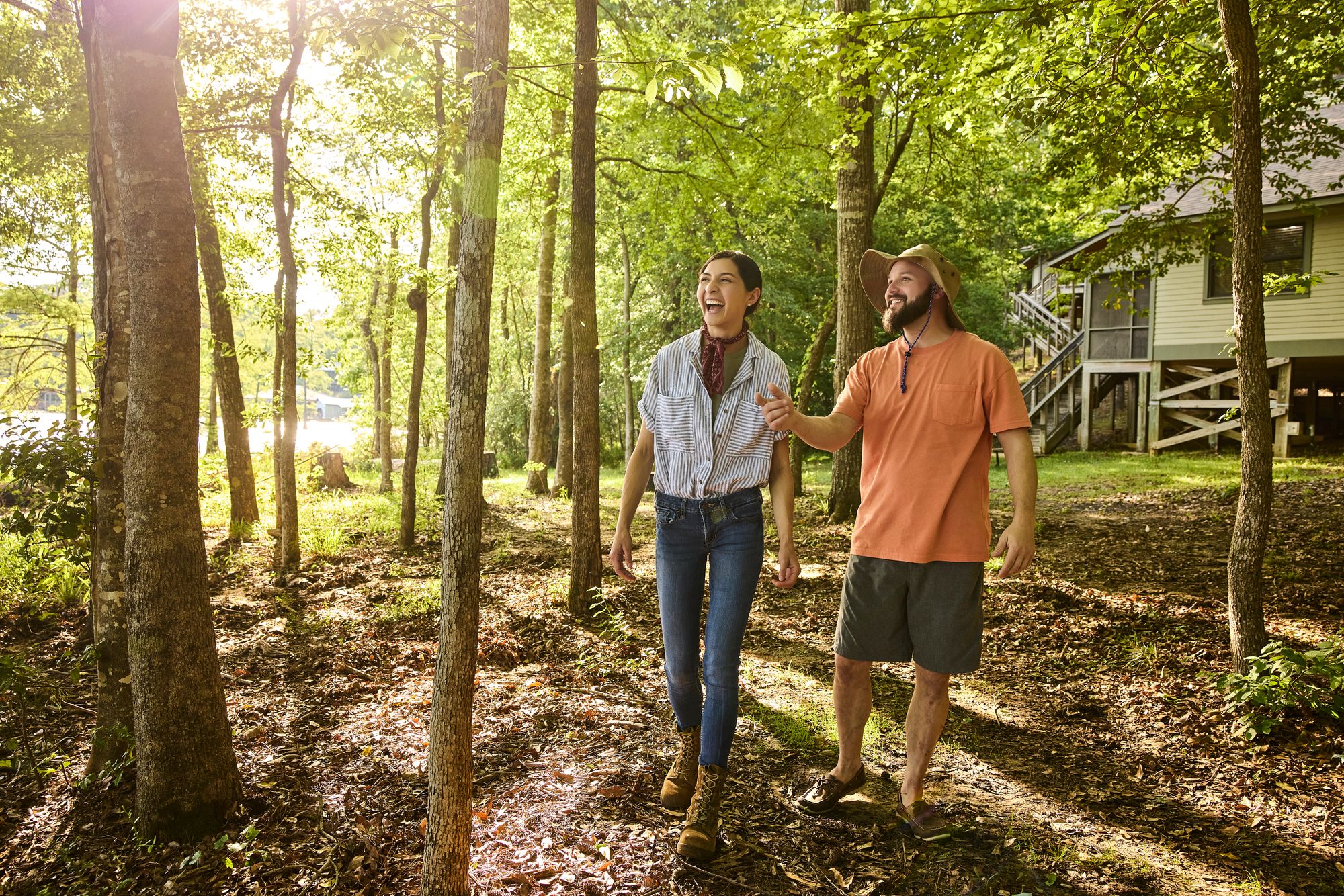
Known as Louisiana’s Outback, the Creole Nature Trail is one of only 37 designated “All American Roads”. Said to be one of America’s last great wildernesses, the 180-mile trail rolls through protected marshland, forests and beaches, and teems with wildlife including bald eagles, alligators, beavers, and the Louisiana black bear. A pyrotechnic display of flowers includes the yellow-flowered Prickly Pear Cactus, alongside swamp lilies and Mexican primroses.
Jean Lafitte was a notorious pirate and smuggler, but his most lasting treasure is the Jean Lafitte National Historical Park and Preserve, named to commemorate his instrumental role in ending the 1815 Battle of New Orleans. Comprising six separate sites, including three cultural centres, the Barataria wildlife preserve’s trails and boardwalks run through 23,000 acres of swamp and marsh with wildlife at every turn.
Down by the river
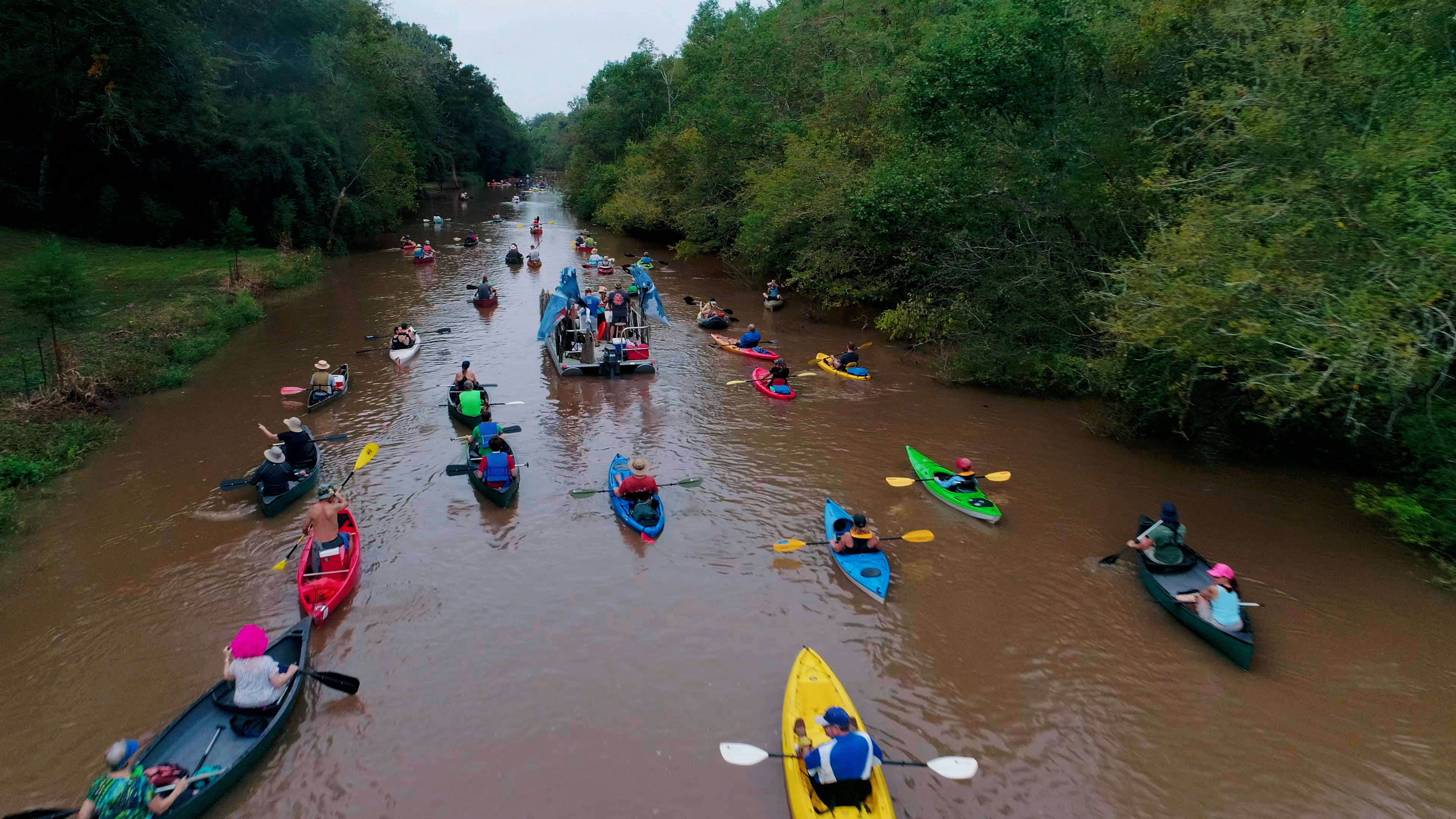
Bayous are as quintessential to Louisiana life as beignets and BBQ. Most often found in the Mississippi River delta, bayous are slow-moving, shallow creeks or minor brackish rivers in marshy areas. They create a unique, slow-paced ecosystem that’s favoured by languid alligators, shy turtles and crawfish, with a backdrop of knobbly cypress trees and eerily hanging Spanish Moss. Kayaks are perhaps the best way to explore these waterways; paddle through the Atchafalaya Basin, America’s largest swamp, to discover over 85 fish species and 200 species of birds in this unique ecosystem.



Tree of life
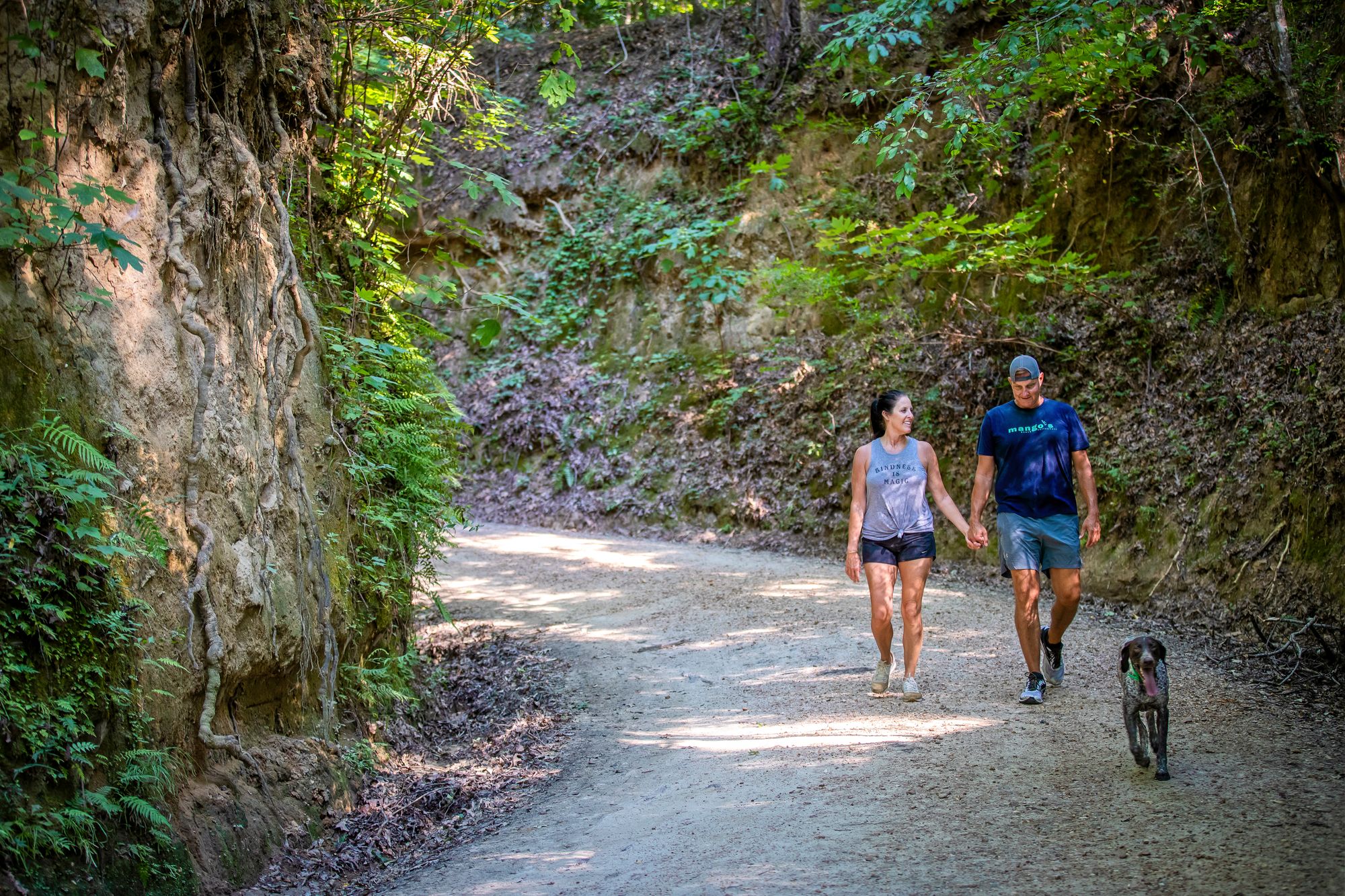
For all the swamps, Louisiana has impressive hikes and woodlands too. The Kisatchie National Forest includes more than 600,000 acres of rolling piney hills across five districts. Known as Little Grand Canyon, the sandstone bluffs of Longleaf Vista, Kisatchie Ranger District, reveal panoramic views, whilst the call of wild turkey or wood duck will draw you into hikes through Winn Ranger District. The state's only national forest is packed with rare plants like the elusive Grass Pink Orchid with diverse habitats from bayou and bogs, to grassland and sandstone glades.
Before heading home, stop by New Orleans City Park for one last breath of wilderness. It houses a stunning collection of ancient live oak trees such as The Anseman, and majestic McDonogh Oaks, which are between 750-900 years old. They’re mere saplings compared to the Seven Sisters Oak, however, which lies directly across Lake Pontchartrain Causeway in Mandeville, which is believed to be more than 1,500 years old.
The Big Four
In Louisiana, it seems, wilderness is everywhere. Tick these off your list..
- American alligator: Join a guided swamp tour or explore a National Wildlife Refuge to see one of Louisiana's two million wild American alligators. Just don’t go swimming!
- American Green Tree frog: This lime green frog looks like it’s always ready for Mardi Gras. Its distinctive bell-like mating call often rings out at night in woodlands, alongside ponds, lakes or marshes.
- Great White Egret: A long-legged wading bird from the heron family that, like any good Louisianian, loves snacking on crawfish. Listen out for the deep pulse of wing beats across the water.
- Brown Pelican: It's The Pelican State, so you’re sure to see these huge birds fishing in open coastal waters and swamps.
For more travel inspiration and information visit Explore Louisiana
Bookmark popover
Removed from bookmarks