Pizza Hut is dying. Your favourite diner will be next
The pizza giant, which at the height of its powers opened a new branch every week, has now collapsed into administration – and Salt Bae is on his knees, says James Moore. But it’s not just struggling restaurants that are in trouble


Time was when the red Pizza Hut sign was a familiar sight on every high street in the country.
With its unpretentious, American-diner vibe, it became a household name by offering somewhere hearty families could eat out at, tucking into large-pan pizzas with stuffed crusts, making endless trips to the salad bar and ice-cream station, and filling up at the all-you-can-eat lunchtime buffets.
In its heyday, when fast-food dining was booming in Britain, the chain opened an average of one restaurant per week. Its light-hearted prime-time TV ads were fronted by sporting heroes Gareth Southgate (after he missed his crucial Euro 96 penalty), Formula One’s Damon Hill and commentator Murray Walker, and – as a sign of the spirit of the age – Mikhail Gorbachev.
That age was the mid-Nineties. But now, its UK operations have collapsed into administration, with 68 restaurants set to shut their doors. And it’s not just devotees of the Hawaiian Sizzler that should be worried.
When such a stalwart succumbs to financial pressures, it’s more than one company’s misfortune. The troubles at Pizza Hut shine a light on the precarious state of Britain’s mid-market dining sector. If Pizza Hut is struggling, what does that mean for the other casual, affordable restaurants that once formed the backbone of our eating-out culture?
Pizza Hut found itself squeezed out by delivery chains like Domino’s – why go out when you can eat at home? – as well as by more aspirational high-street offerings. Chains such as Jamie’s Italian, Byron and Prezzo expanded rapidly during the 2010s, fuelled by private-equity cash. But even before the pandemic, many were struggling to sustain those sprawling portfolios. Lockdowns, the evaporation of cheap waiting staff when Britain left the EU and the cost of living crisis finished them off.
Today, the middle of the dining-out market – once a profitable grazing ground between fast-food and fine dining – is disappearing.
The reasons are not hard to find. The cost of doing business has soared. Gas and electricity bills remain high, and food inflation has driven up the price of meat, dairy and fresh produce. Rents, insurance and business rates have followed suit. Even the basics – ovens and grills – have become unaffordable for smaller operators. If you can shift cheap meals in bulk, often on the back of a delivery bike, or offer a top-flight dining experience, you’re part of the squeezed middle.
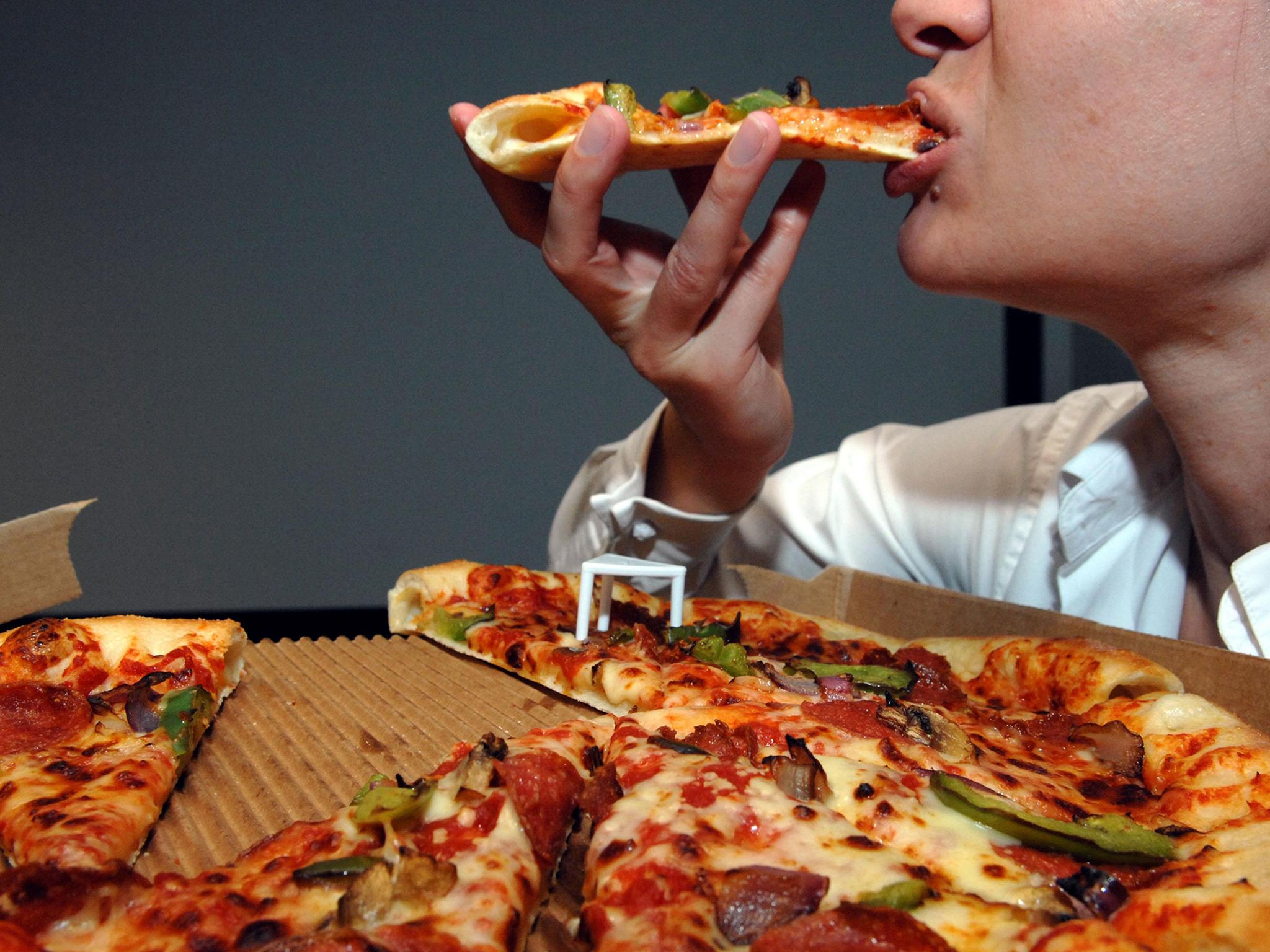
Meanwhile, the hospitality workforce has yet to recover from the pandemic. Tens of thousands of chefs, waiters and kitchen staff left the industry during lockdown and never came back. Many found steadier, better-paid jobs elsewhere; others simply lost faith in an industry that offered little job security. The result is a staffing shortage so severe that many restaurants are running on skeleton staff, and service standards are suffering.
Government support has long vanished. Temporary VAT relief for hospitality ended years ago, while business rates have risen sharply. Ministers talk endlessly about “boosting growth”, yet one of the UK’s biggest employers remains dangerously exposed.
The Office for National Statistics report that more than 1,500 hospitality businesses went under last year alone. These weren’t celebrity vanity projects – they were family-run cafés, local bistros and pubs, the lifeblood of communities. Each closure represents lost jobs, lost skills and a hole in the social fabric.
Against this backdrop, the financial struggles facing a luxury steakhouse in Knightsbridge might seem trivial. In 2021, Salt Bae – the theatrical salt-sprinkling proprietor of an upmarket chain of steakhouses in the world’s ritziest resorts, whose antics made him an internet sensation – opened his first restaurant in London.
Having plied the capital’s beautiful people and global elite with tomahawks wrapped in gold leaf, at upwards of £600 a plate – and some would say with more spectacle than substance – the Nusr-Et empire has reportedly lost £5.4m. Salt Bae’s travails underscore how fragile even the highest-end dining has become.
Nusr-Et’s problems are self-inflicted: high prices, middling reviews, a TripAdvisor rating of 2.9. But its failure also sits within the wider collapse of the economics of eating out. When costs keep rising and diners tighten their belts, even globally famous brands are vulnerable.
But while it’s easy to laugh at a millionaire chef whose wildly expensive steaks have lost their flavour, his downfall also carries a warning. If a restaurant with worldwide fame and wealthy backers can’t make it work, what hope is there for the rest?
The crisis engulfing Britain’s restaurants is not about bad menus or social-media gimmicks – it’s structural, and it’s accelerating.
Without meaningful reform – fairer business rates, investment in training, and a serious look at the real cost of running a restaurant – Britain risks losing not just businesses, but the character and community that dining out once embodied.
Restaurants are more than places to eat. They are how we connect as people. Saving them will take more than nostalgia or mockery – it will take action: fairer business rates, support for training, and an honest reckoning with the real cost of feeding a nation.
Join our commenting forum
Join thought-provoking conversations, follow other Independent readers and see their replies
Comments
Bookmark popover
Removed from bookmarks