The Independent's journalism is supported by our readers. When you purchase through links on our site, we may earn commission.
Beat the winter blues with these expert tips and products for easing SAD symptoms
Alleviate your low mood with the help of light therapy, meditation, caffeine swaps and more expert-recommended tips
.png)
With bleak weather, shorter days, festive burnout and a short supply of sunshine in the mix, it’s not unusual to experience the seasonal blues. You might find your mood dipping as we move into the depths of winter, and this can worsen as the days roll by.
In fact, the third Monday in January is often referred to as Blue Monday – otherwise known as the most depressing day of the year. Coined by psychologist Cliff Arnall in 2004, the date was calculated by factoring in the combination of bleak weather, post-Christmas blues, financial struggles and low motivation.
But for many, feeling low during the winter months isn’t limited to just one day – or even just one month. Instead, it’s a symptom of seasonal affective disorder (SAD) – sometimes known as winter blues or winter depression – which is experienced throughout the colder months of the year. According to the NHS, seasonal affective disorder peaks from December to February.
SAD is a type of depression that comes and goes in a seasonal pattern, with symptoms including everything from low mood and irritability to feeling lethargic. Researchers believe the shorter, darker days during autumn and winter can have a negative impact on hormone levels, sleep, diet and therefore your temperament.
According to the NHS, the lack of sunlight experienced during this period can stop a part of the brain called the hypothalamus working properly, which may increase the production of melatonin (a hormone that makes you feel sleepy); decrease the production of serotonin (a hormone that affects your mood, appetite and sleep), and affect your body’s internal clock (circadian rhythm).
 Is happiness sometimes hard to find? How to embrace joy when you’re stressed, tired or overwhelmed
 How to know if you’re actually vitamin D deficient and what to do about it
 Why you need to get outside if you want to boost your wellbeing this winter
 Dr Alex George explains his proven tips for feeling happier in a chaotic world
Dr Luke Powles, associate clinical director at Bupa Health Clinics, says it’s important for everyone to look after their mental health, particularly as many people now work from home. “It's increasingly common for people to feel cooped up,” he explains. "While the commute might’ve been frustrating, it was still a time to get outside. It’s the same with lunch breaks: lots of people are now eating at home, rather than popping outside as they would’ve done when in the office.”
Stephen Buckley, head of information at mental health charity Mind, agrees, adding that anyone working from home and experiencing SAD should “take time to get outside as much as possible”. He suggests “going for walks when you can, spending time in parks or gardens, or simply sitting near a window”.
Thankfully, there are a number of things you can try to lift your mood during winter. From opting for light therapy to taking up meditation. Fortunately, after following the expert advice below, making use of these tools and embracing healthy habits, I’ve gone from someone who used to experience the effects of SAD acutely, to someone who enjoys the winter time and looks forward to it.
Read on for expert-approved tips, my secret weapons for beating SAD as a wellness editor, and the most highly-rated products to help you beat the winter slump.
Ditch the coffee
While coffee might be your drink of choice on a dark morning to give you energy, caffeine has been found to suppress levels of serotonin, a chemical in the brain that is thought to regulate mood, sleep and memory. Given our reduced exposure to light during winter months, it's likely that levels of serotonin will already be low, so I recommend swapping your morning cup of coffee for a hot drink that will still give you energy but contains but that contains less caffeine.
Black, green and oolong tea all contain an amino acid called theanine, which works to improve focus and attention. Matcha – a concentrated green tea – is also a great bet if you’re looking for prolonged energy and focus without any of the jittery anxious feeling that a cup of coffee can cause. The health benefits of matcha are myriad and it tastes great hot or cold.
You can also opt for a mushroom drink, which usually blends lower levels of caffeine with adaptogenic mushrooms and natural herbal stimulants and calming agents like guarana and ashwagandha to help give you a boost and keep your happy hormones regulated in the process. You can discover some of my favourites in my round up of the best mushroom supplements here.
The Reformed matcha below also contains collagen and adaptogenic mushrooms, so it’s a real power source for the day ahead. I like to mix it with hot coconut milk in the winter but it’s great with cold milk in the summer too. Read my full review here.
.png)
Start the day with protein
The saying goes that breakfast is the most important meal of the day. This might not be the case for everyone and you might be someone that prefers to practice intermittent fasting. However, in the winter, feeding your gut has its benefits. Protein not only offers calories as fuel to help you feel awake and capable, protein-rich foods also help to support a diverse and thriving gut microbiome. Protein also feeds the brain and helps keep you sharp and alert – which certainly helps if you’re commuting to work in the dark and feeling sleepier in the mornings.
If a big breakfast doesn’t sound appealing to you, consider a yoghurt, protein balls or even a protein shake to help feed your body and brain. Having protein in the morning, especially during winter can improve your alertness and beat those feelings of lethargy and help regulate blood sugar to avoid mood swings. Protein contains amino acids that help produce neurotransmitters like dopamine and serotonin, which can help boost your mood too.
In my view, the best protein powders contain pure ingredients and natural flavours. Perhaps along with some added bonus ingredients like collagen or glycine. I usually opt for a chocolate or vanilla-flavoured powder for my morning shake and blend it with a banana and some milk. However, if you don’t enjoy the thickness of whey protein or you’re plant-based, there are plenty of vegan protein powders and clear protein powders (which are more like squash or juice and are usually fruity – to choose from.
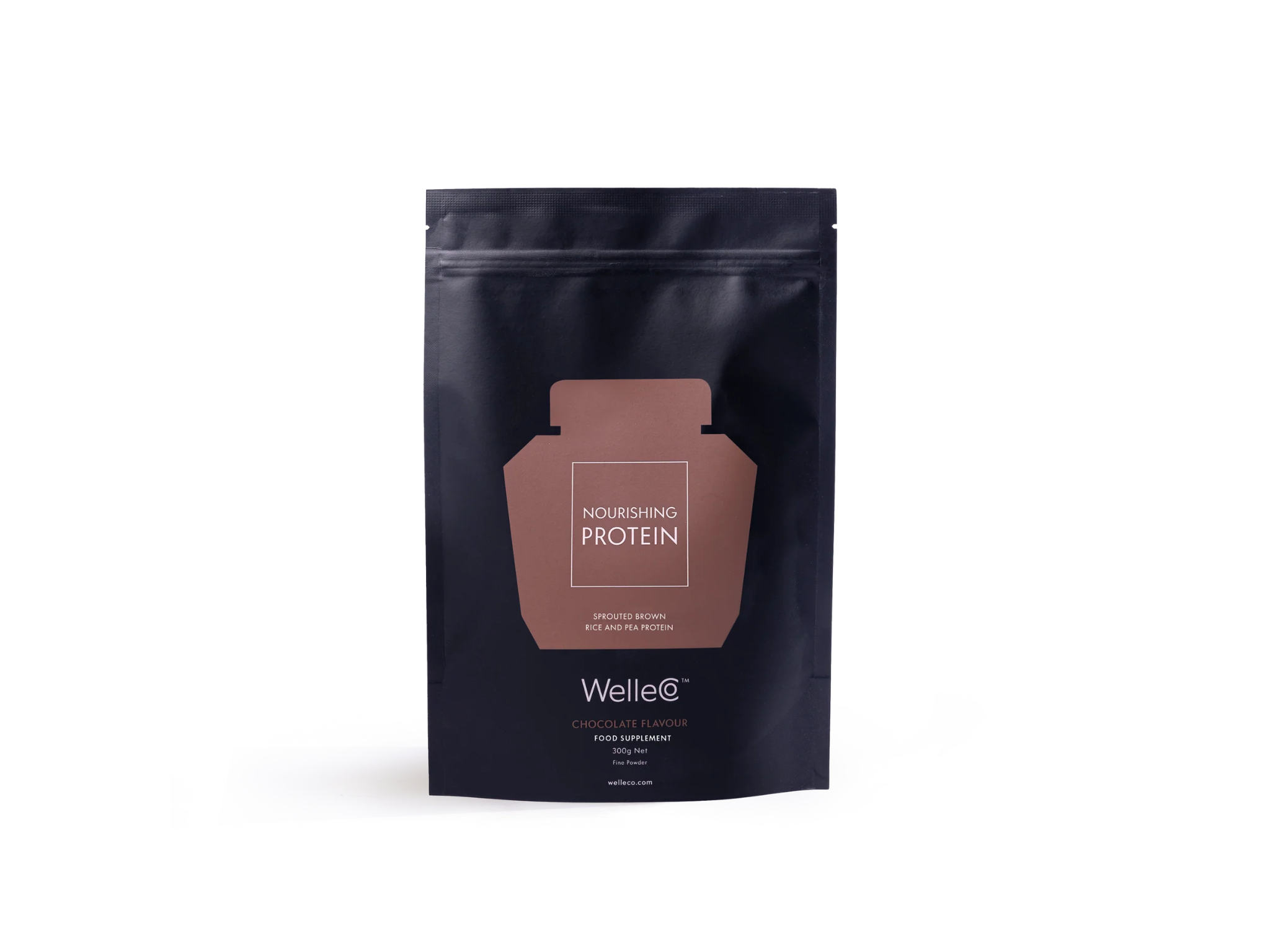
This chocolate protein powder from WelleCo is my all-time favourite. It’s delicious, mixes well and is organic, non GMO, gluten free and suitable for vegans.
Invest in an SAD lamp
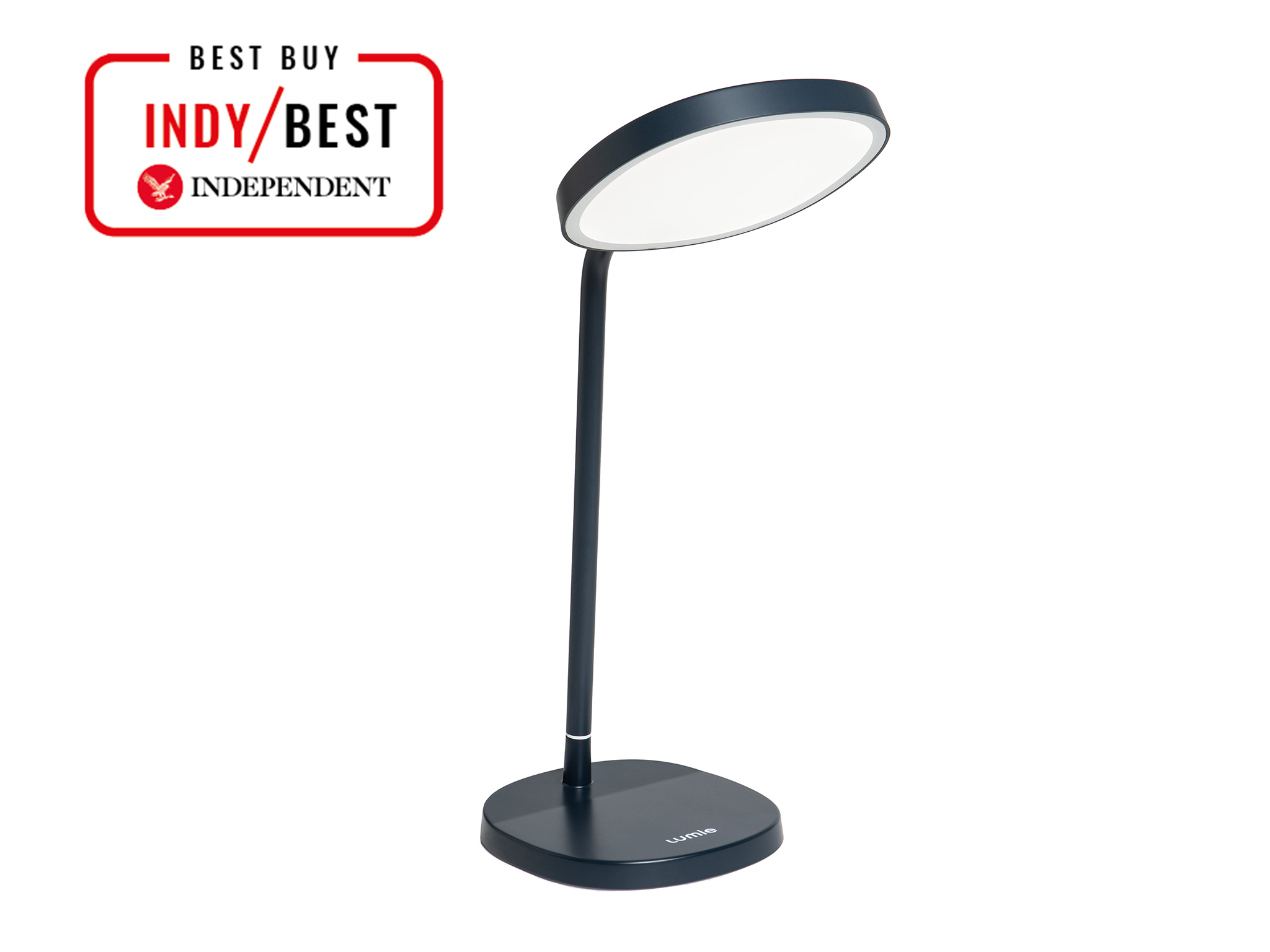
While there’s mixed evidence regarding the overall effectiveness of light therapy, Dr Luke Powles suggests investing in an SAD lamp as a way to manage symptoms. These gadgets work to mimic natural light, topping up the sunlight exposure we miss out on in the winter months, and are thought to boost levels of serotonin and melanin, delivering short-term positive effects. Plus, they are a “helpful way to banish the winter blues until the days start getting longer again”, says Powles.
To qualify as an SAD lamp, the brightness of the lamp needs to measure at least 2,500 lux – the brighter the light, the greater the effectiveness. It’s recommended you use an SAD lamp for a duration of 20 to 40 minutes a day. I tend to use mine – The Lumie Task – once I sit down at my desk to work through emails in the morning. The Task was voted the best in our guide to SAD lamps.
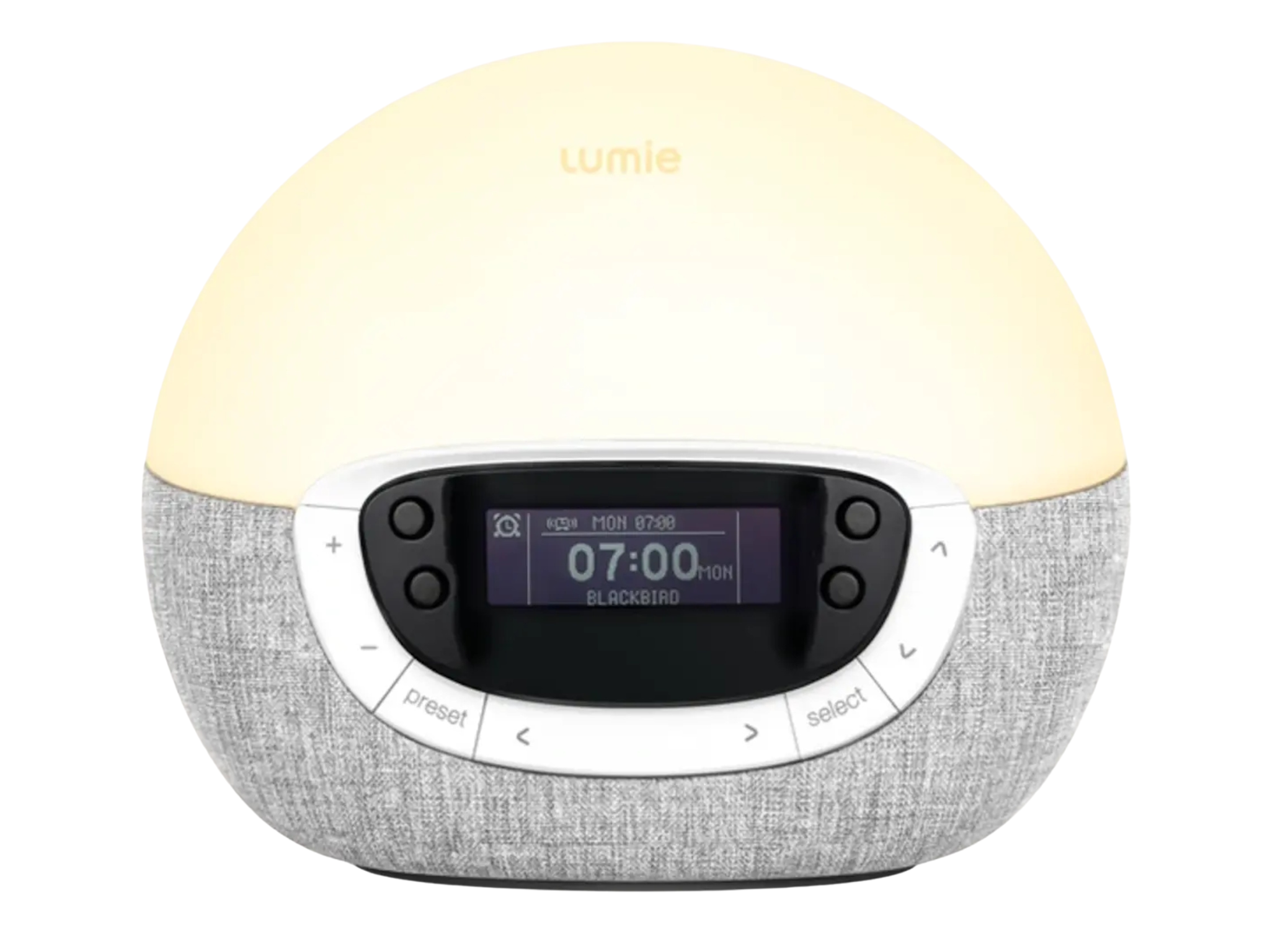
Using an alarm clock that has a built-in light is also a great way to start the day, helping you to wake up feeling refreshed. Dr Jaya Gowrisunkur from the Priory Wellbeing Centre in Harley Street suggests using a Lumie alarm clock. The Lumie bodyclock shine 300 wake-up light radio alarm clock (£149, Lumie.com) took the top spot in our guide to the best light-up alarm clocks, thanks to its great functionality and design. I also love my Lumie Luxe DAB with its built-in radio and wake-up sounds.
Gowrisunkur has noted the importance of a regular wake-up time for managing SAD symptoms, meaning an alarm clock could help you get into a good routine meaning greater health benefits long term. The real beauty of the Lumie clock, though, is that the sunset feature can also be used at the end of the day to help you wind down, and it can play sounds to help you fall asleep. This all helps kickstart the natural wind-down process which can help regulate your circadian rythm and support your routine.
Get physical
“Research shows physical activity can be as effective as antidepressants in treating mild to moderate depression,” says Buckley and, while it can prove beneficial to some, it’s important to acknowledge exercise isn’t always an option or the right solution for everyone.
However, it can be a good place to start, and Dr Gowrisunkur suggests that getting out into natural surroundings, such as the local park, can be beneficial. This can be in the form of a long walk, run or simply spending time in the garden, if you have one. If going for a brisk walk or light evening jog in the great outdoors appeals to you but you're new to exercise and not sure where to begin, check out our guide on how to start running, which provides expert advice on everything you need to ace your journey.
Whether you're just starting out or a keen marathon runner, decent kit that will keep you warm during the winter months, and help you go the extra mile, is essential. The difference between feeling comfortable and warm when you’re running and feeling chilly and unsupported is everything.
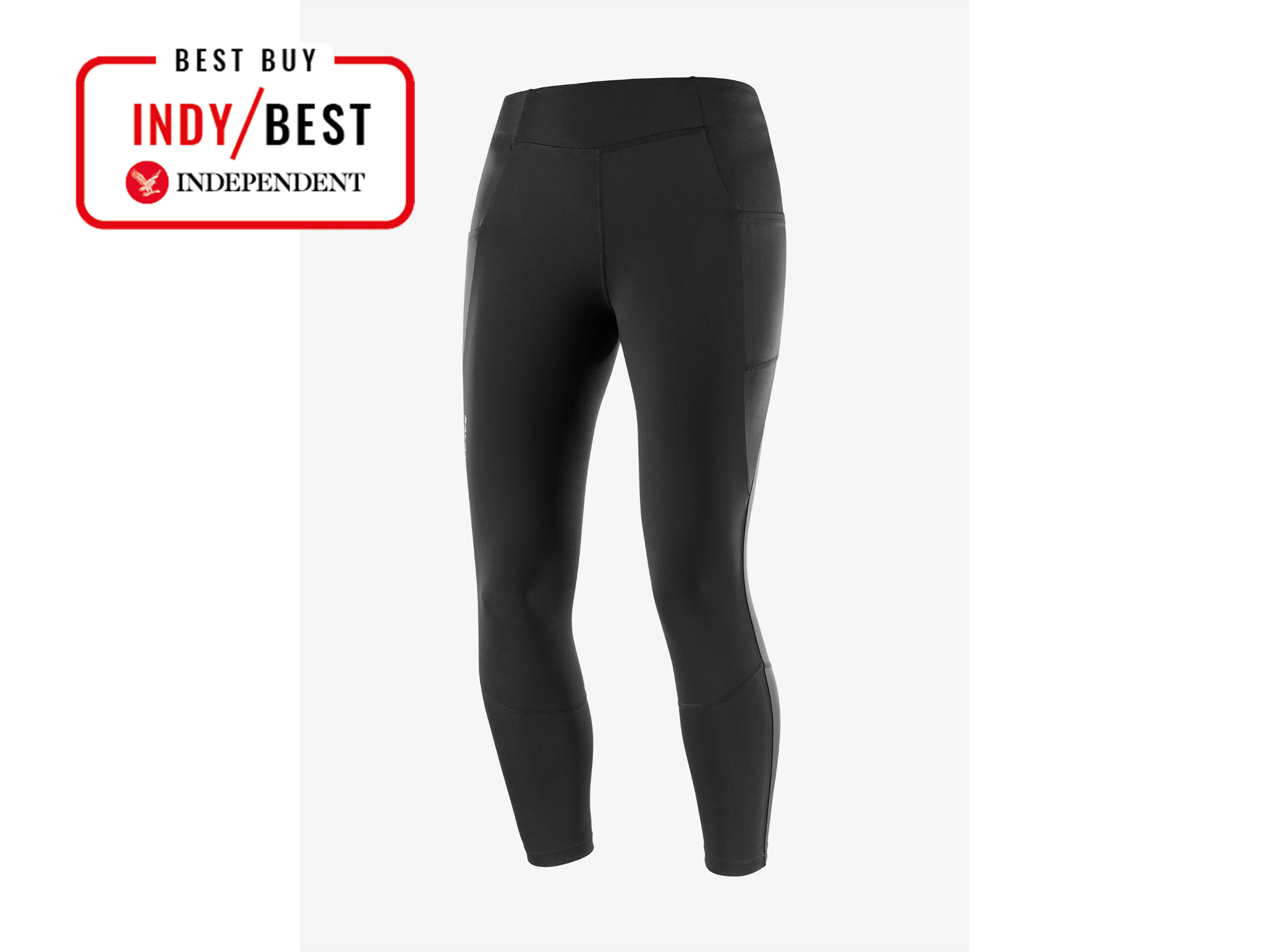
In our round-up of the best women’s running leggings, Salomon’s cross run (£52.20, Salomon.com) took the top spot. Myself and Claire tested the best running leggings on the market and Claire noted, “they’re incredibly lightweight (207g), and wick away sweat and moisture brilliantly”. She also pointed out that, “they’re flattering, too, and, with reflective branding, they’re a great night running option, and have a deep side pocket that holds a phone without any bounce or pull”.
Read more: Best trail running shoes for women to tackle all terrains
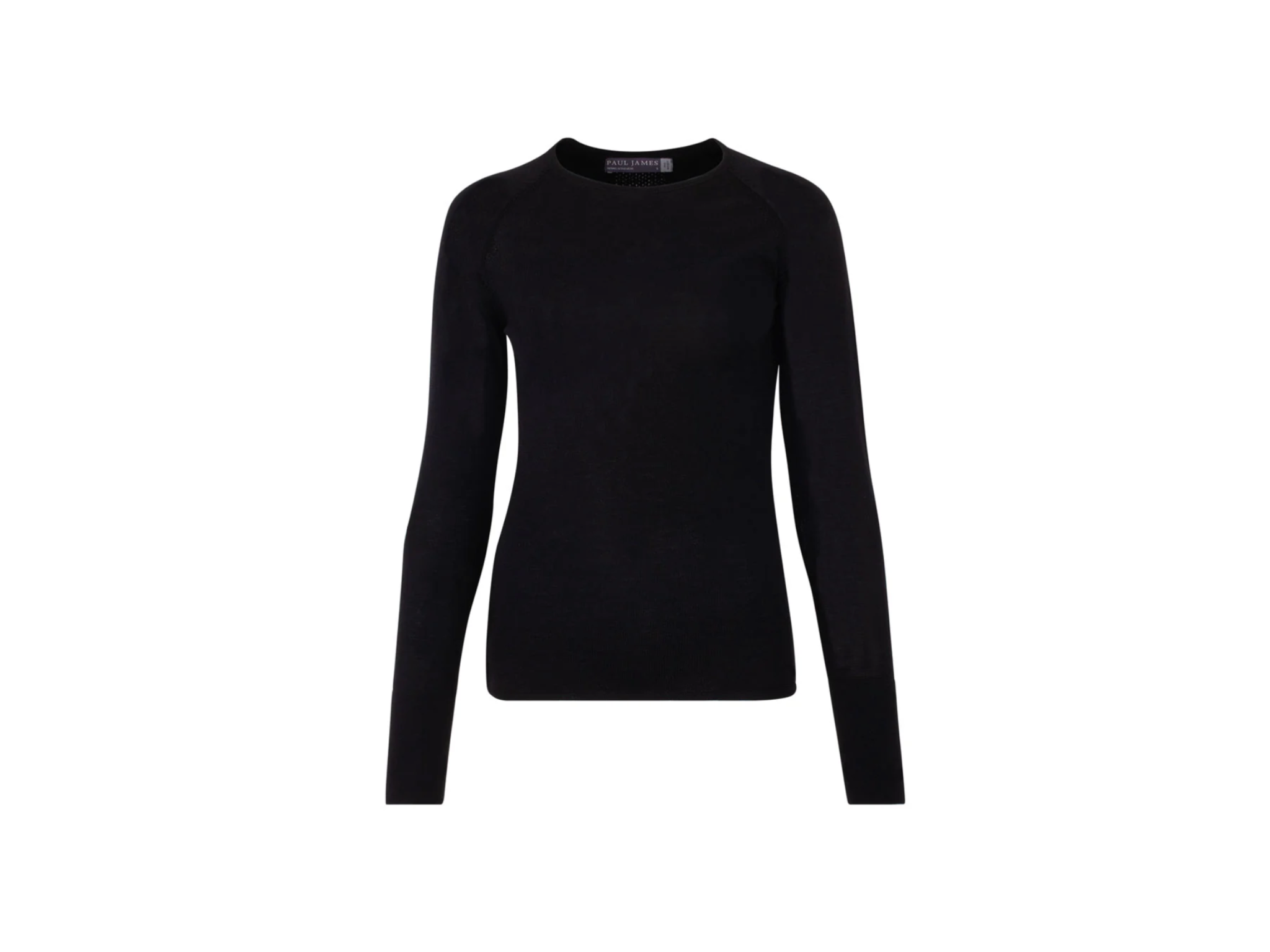
As for your top half, if you’re looking for sustainable layers to keep the chill at bay, a merino baselayer ticks all the boxes. I wear one for dog walks, runs and for any kind of outdoor activity like hiking during the winter months. Natural fibres not only feel great against your skin, they boast brilliant sweat-wicking and breathability credentials. This training top from Paul James Knitwear (£90, Paul James Knitwear) not only looks stylish but will keep you cosy if you’re exercising outside. It’s a go-to of mine during chillier months.
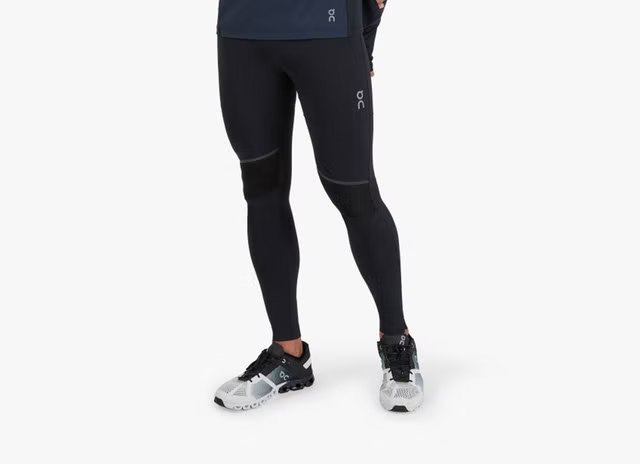
For men, the On performance winter tights (£110, On-running.com) were a big hit in our round-up of best running tights, with our writer noting the brand is a go-to for “functional-yet-fashionable running kit”. He said: “when it comes to construction and design, its tights are no different to the rest of its range, leaving you with a high-end finish that is fitted without being restrictive, and they are at home in any setting.”
Having the right gear when you exercise can make all the difference and will help you to support your health comfortably, rather than leaving you dreading a run outdoors in gloomy weather.
If factoring a run into your day isn’t for you, Dr Powles advises you take “regular breaks and try to go outside during these times, whether for a quick stroll around the block or a longer walk”. This is because a lunchtime stroll can have the same benefits as two and a half hours of light therapy, even on a cloudy day.
Read more: Best hiking shoes for women that make treks a walk in the park
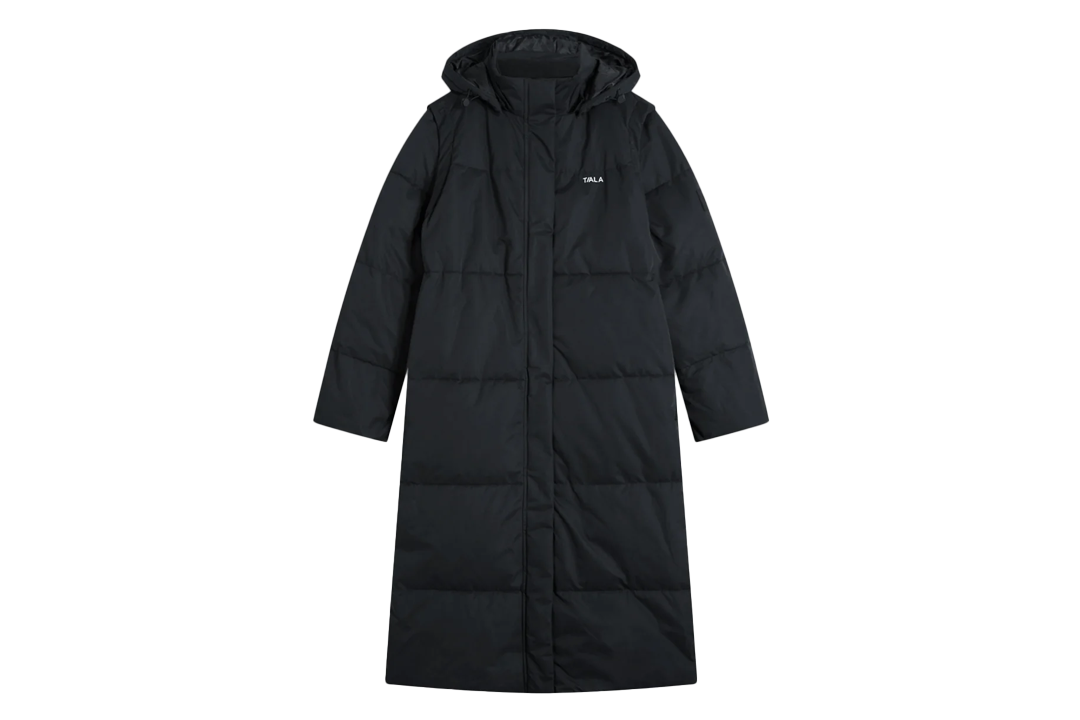
Doing this in the drizzle might not seem appealing, but it's proven to help, so it's prime time to invest in a new waterproof jacket that'll keep you warm. The Tala polar puffer impressed me and our tester Daisy, who described it as being, “packed with premium features”. It has fleece-lined pockets, side vents and can be worn as a gilet without the sleeves too.
Personally I’ve worn this coat on hikes in the Scottish Highlands, mindful forest walks in the Dolomites and dog walks in Hertfordshire. It’s brilliantly insulated, waterproof and looks great too – always a plus if you want to feel like you’re wearing a duvet in public.
If walking outdoors isn’t your jam, there are plenty of other movement styles that can help with lifting mood. You might not benefit from the light exposure you’d get from a walk if you’re indoors, but a practice like yoga boasts many mental health benefits – calming the nervous system and focusing the mind for starters.
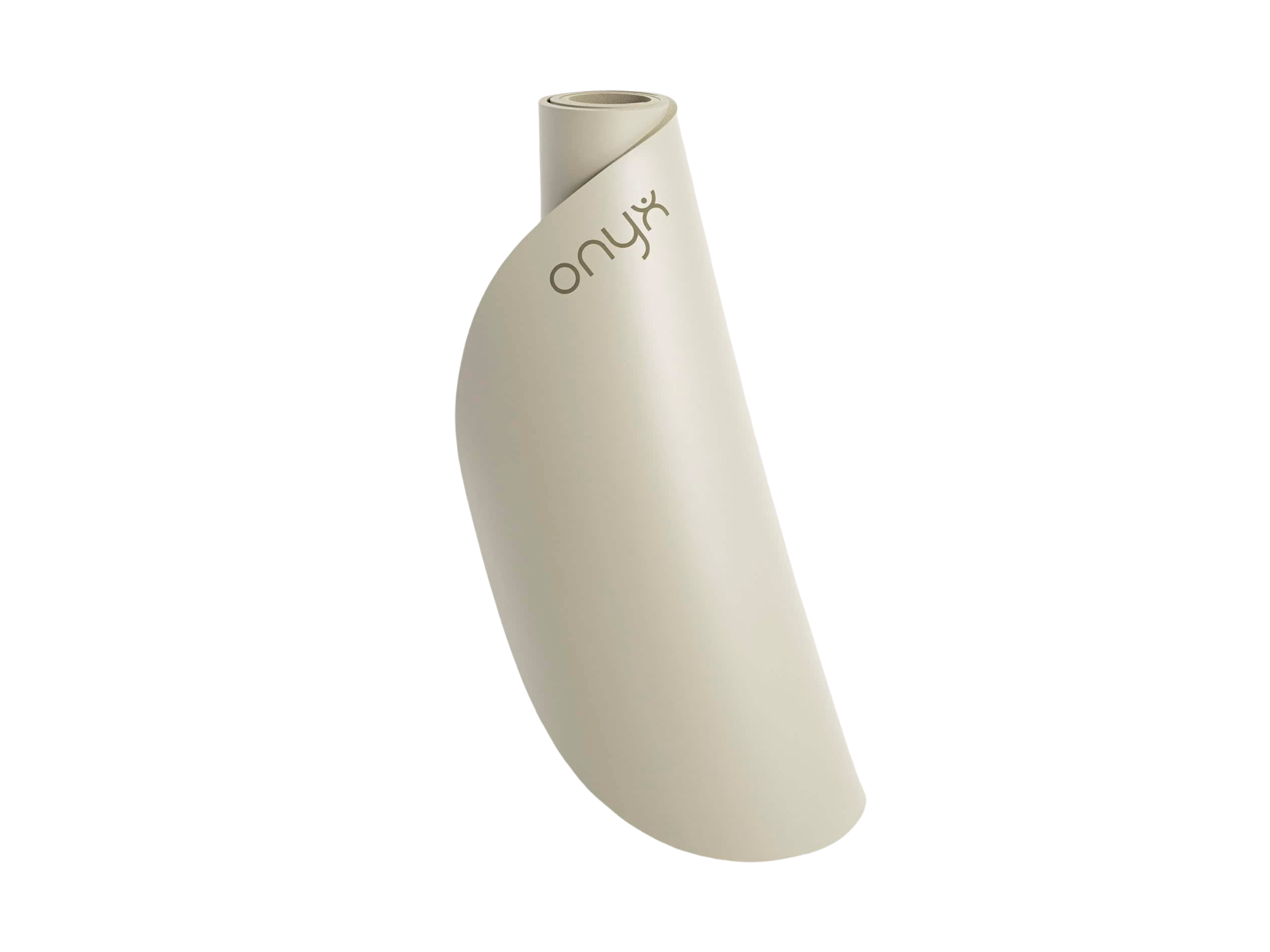
If you’re new to it, try following a free session with Yoga With Adriene, one of the biggest yoga YouTube channels, and invest in a yoga mat, so you have a reliable foundation for your moves. Mats provide grip and cushioning on every floor type and a decent yoga mat is really all you need to get started. I recommend picking up the Onyx yoga mat (£69.99, onyx-fitness.com), which was my favourite in our round-up of the best yoga mats.
In my review I described this mat as, “ultra grippy with a smooth rubberlike antimicrobial coating and a natural rubber bottom, your hands and feet won’t be going anywhere on this mat.”
“At 5mm it’s around medium thickness with a little bounce to it – ideal for more seasoned yogis. However, if you suffer with sore joints or struggle with using your mat on a hard surface, you might want to upgrade to the 8mm version which offers more cushioning.”
Other yoga apps I love include The Yoga Class, Yoga-Go and the Alo Moves app. These all offer expert classes, special features and a range of other activities like Pilates, breathwork and recordings of soundbaths to help soothe anxiety.
Improve your sleep quality
When asked how to keep SAD symptoms at bay, Dr Gowrisunkur advised “investing in things that will improve sleep quality”, so you wake up with more energy. This is particularly important since disturbances of sleep have been found to be a key characteristic of SAD. Disturbed sleep can affect your recovery, which means your brain and body will be pushing harder to function well the next day and you’ll likely feel more stressed, unsettled and experience lower mood.
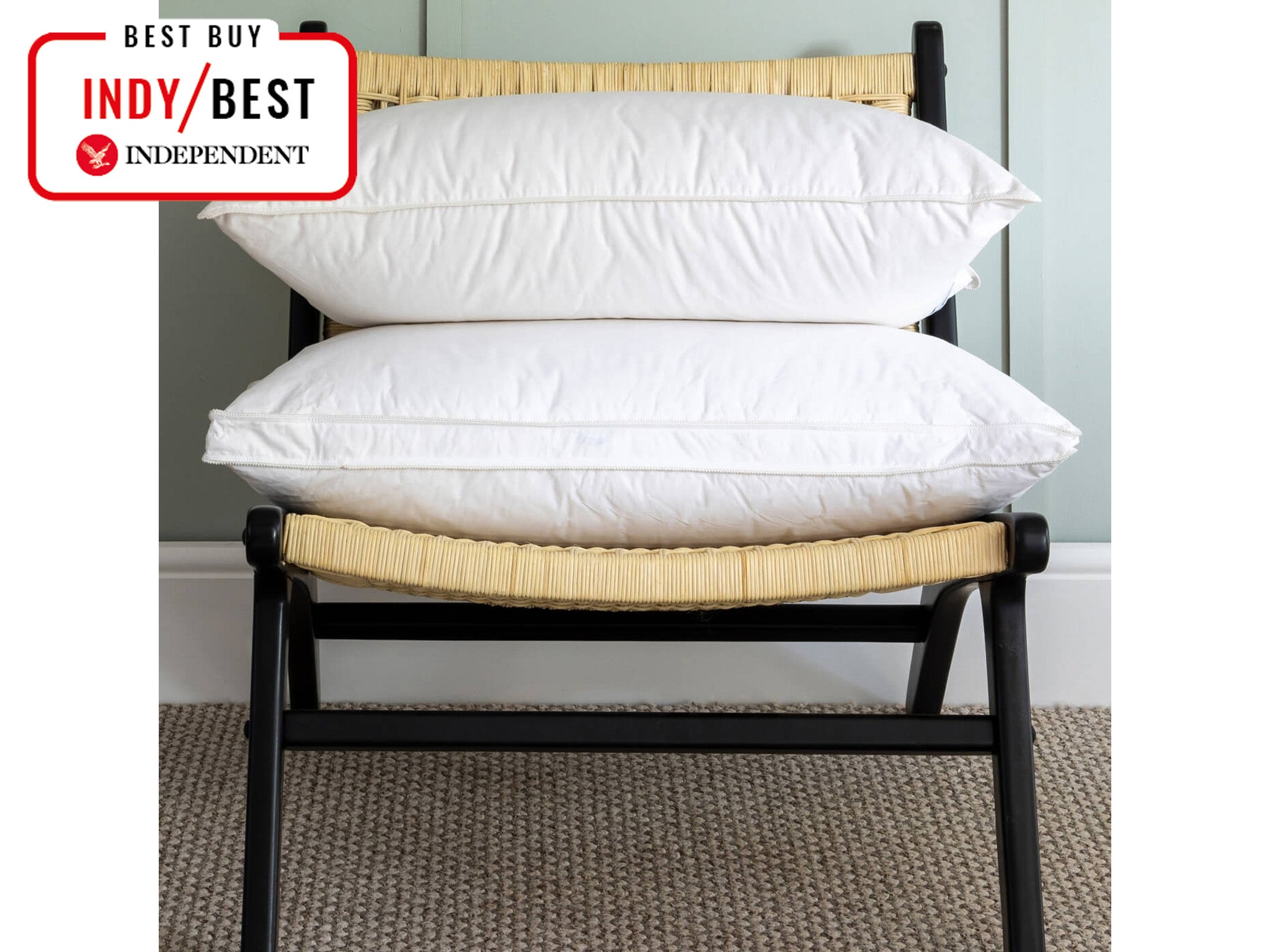
Gowrisunkur notes that the pillows you sleep on can impact your sleep quality. Ideally you want something with exceptional support made from natural fibres so the Soak&Sleep 100 per cent Canadian goose down standard chamber pillow (£304 for a two-pack, Soakandsleep.com) took the crown in our round-up.
Described as “a superb quality pillow from its outermost stitch to its deepest layer of padding”, our tester said it kept their head “wonderfully well supported.”
Decent support can make all the difference to your rest so while buying a new mattress might seem extravagant, it could help you get a better night’s sleep and ensure you feel ready for the day ahead. For great support, go for the Simba hybrid luxe (£1,699, Simbasleep.com), which won best buy in our guide to the best mattresses.
“Having spent more than six months sleeping on this mattress, we found that it offers the ideal balance between a firm and medium sleeping base,” our tester said. “Better still, it’s breathable and feels fresh. The layers work well together, and we’ve seen improved sleep, thanks to the coolness it offers during warmer months and increased cosiness seen in the autumn and winter.”

Amanda McLaren, MD of heritage textile mill, AW Hainsworth, explains: “There are several health and wellness benefits of using wool bedding for sleep, especially when compared with synthetic fibres. Research shows that it can improve REM sleep, a vital stage in the sleep cycle that supports memory consolidation and revitalisation; wool can lengthen the REM sleep phase, promoting a more peaceful and productive rest.”
“Additionally, wool fibres naturally absorb and retain indoor pollutants, creating a cleaner and healthier sleep environment and enhancing air quality in your room and home as you rest. Wool also helps regulate body temperature, ensuring warmth in winter and coolness in summer, while also providing antimicrobial, hypoallergenic and moisture-wicking properties.” says McLaren
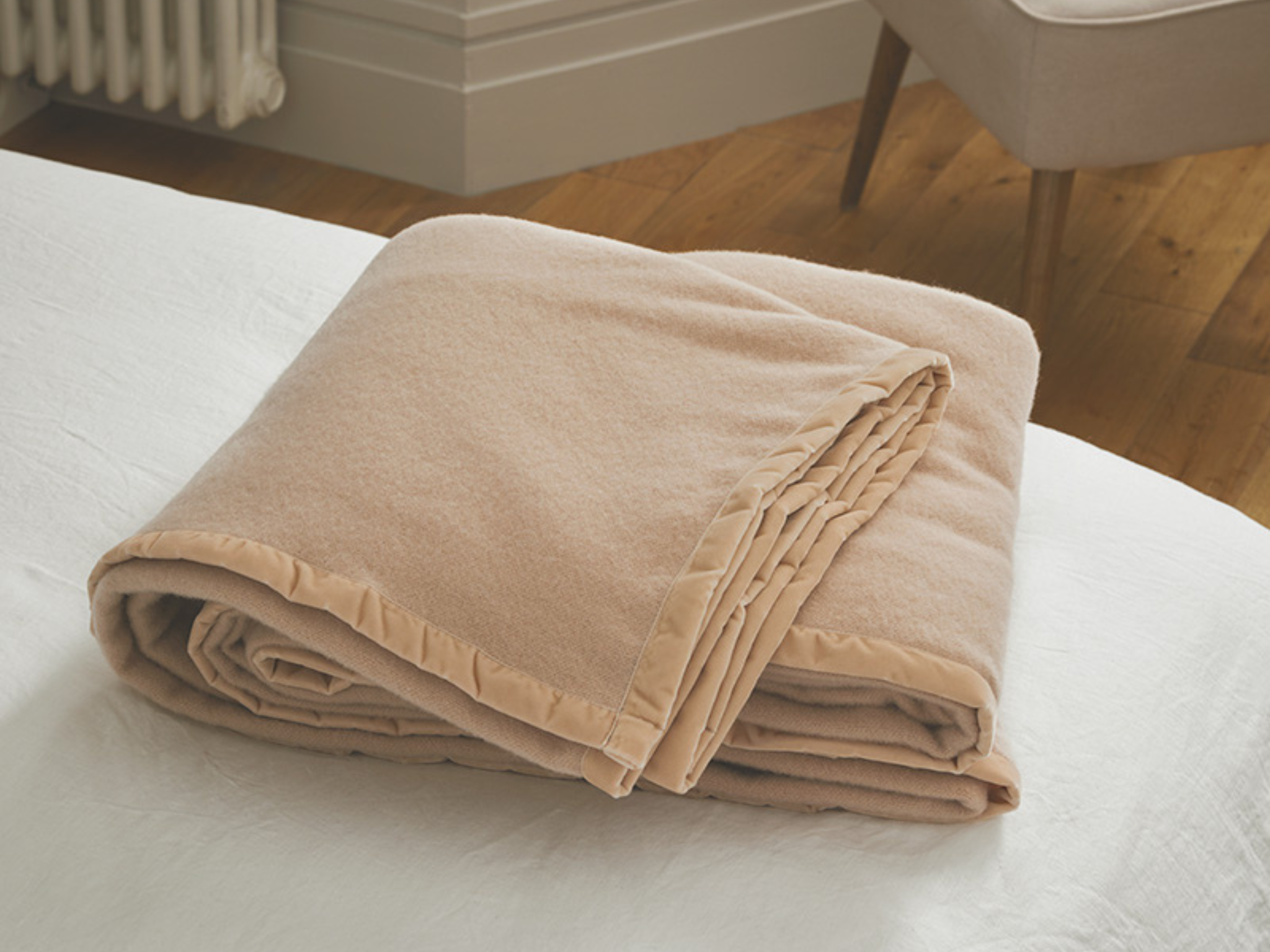
If you’re not ready to splash out on a mattress, the Elizabeth blanket from John Atkinson is woven from 100 per cent lambswool which is beautifully fine and silky. Lambswool fibres are smooth and delicate, making for a soft and cosy layer with all the benefits that natural fibres offer. I’ve switched all my bedding and blankets to natural fibres and feel much cosier without overheating.
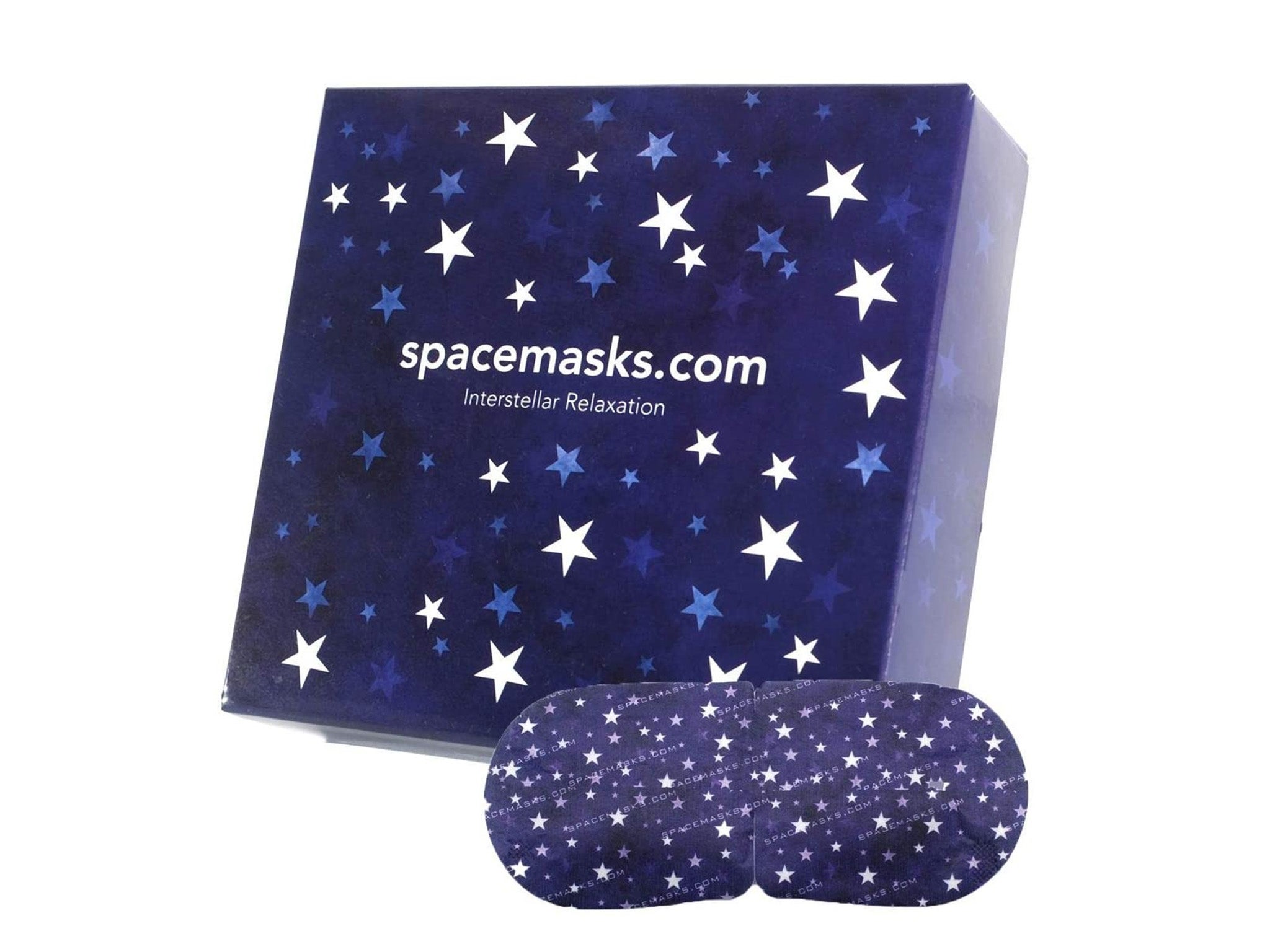
Alternatively, there are plenty of more affordable sleep solutions worth trying, including the Spacemasks self-heating eye mask (£16.50, Sephora.co.uk), which featured in my guide to the best sleep aids. The masks melt stress away and kickstart the wind-down process, which can really help if you’re travelling and not sleeping in your own bed.
Our review noted: “this therapeutic eye mask is one of the smartest products we have tried. Slip the lightweight, air-activated, self-heating mask over the ears and eyes to unlock its magic, soothing tired lids and relieving headaches.”
With or without the heating element, an eye mask is a great way to regulate your circadian rhythm. We’re bombarded with artificial light during the winter months and this can confuse our hormones and internal clock, making it more difficult to sleep and for our brains to repair after deep rest. This can worsen mood issues so using an eye mask to block out light, avoiding screens and waking up at a consistent time every day can help to stabilise mood and build emotional resilience.
Read more: Best sleep apps for tracking patterns, drifting off and waking up gently
Try meditation and breathwork
While there are a number of different SAD management techniques – including cognitive behavioural therapy and antidepressants – Dr Gowrisunkur suggests taking up meditation as a first defence.
Research suggests that meditation increases serotonin levels in the brain, which is also the mechanism of action within some of the drugs used to treat SAD. If you’ve never done it before, practising meditation can be difficult to get into. But, thankfully, in recent years, mindfulness has exploded in popularity and there are plenty of online guides and apps to help you get the hang of it.
I rely on yoga nidra to calm my mind before bed so that I can fall asleep quickly and sleep deeply. This means I get more quality rest and I’m able to function better during the day.
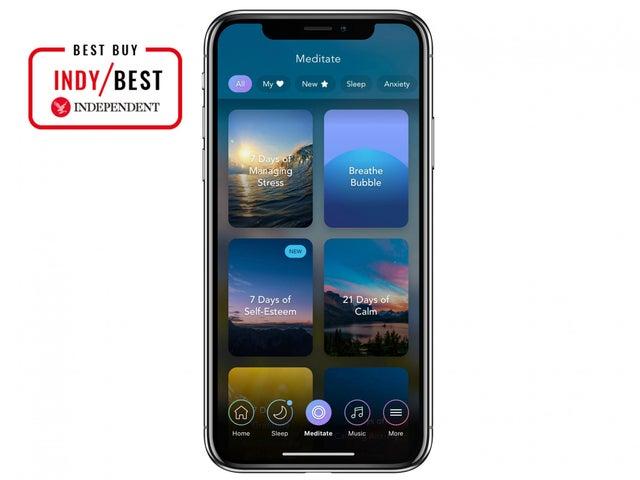
In my guide to the best mindfulness apps, the Calm Android and iOS app (Calm, £39.99/year) took the top spot. Just as the name suggests, Calm is a portal to peace of mind. With so much variety – from calming bedtime stories to easy-to-follow meditations, and the option to reflect on your mood each day – the app offers a way for you to unwind and refocus your attention with helpful pointers, tips and guided sessions.
Alternatively, perhaps the best-known meditation app, Headspace provides a wealth of knowledge on therapy, mindfulness and meditation. The app takes a no-nonsense approach, which many users love, and helps you take practical steps to calm your mind, understand what’s stressing you and help you with stress, overwhelm and poor sleep.
I love the sleepcasts – a collection of bedtime stories and sounds mixed with breathing exercises that help to soothe the nervous system and support better rest. The meditations, exercises and tutorials also vary so you can choose how long you want to lock in for to get a mood-boosting effect.
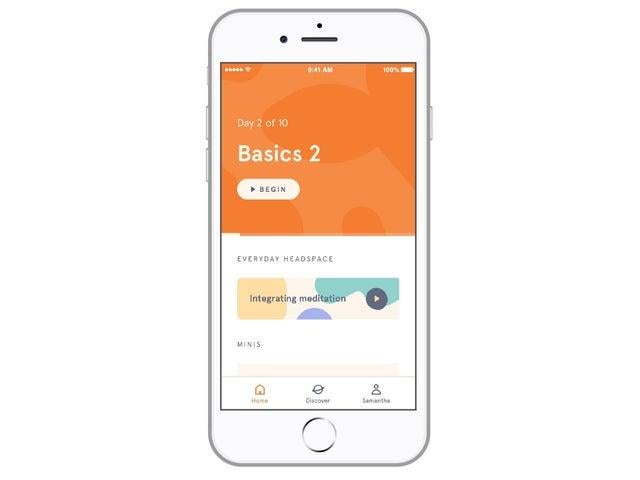
Some of the shorter sessions come in three, five or 10-minute chunks that are easy to follow. Andy Puddicombe, the narrator and co-founder, will guide you through breathwork and body scanning in a calm and easy-to-understand way. You can then use these exercises within every aspect of your life.
You can download the Headspace app via Android or iOS (Headpace, £9.99/month) or start with the free 10-part basic course that is perfect for beginners.
Supplement your wellbeing
We don’t need supplements to be healthy but there are certain supplements that can help support wellbeing during the winter, and some that health professionals recommend we take during winter. Vitamin D, which is actually a hormone and not a vitamin, is synthesised by the body in reaction to sunlight. Limited sunlight in the winter can cause vitamin D deficiency, which in turn can impact mood and stoke SAD symptoms.
Taking a vitamin D supplement is an easy way to top up your levels and in doing so, support the production of happy hormones and teeth, muscle and bone strength. In our round up of the best vitamin D supplements the Nutrition Geeks D3 came out on top. It’s an easy-to-take supplement at an affordable price that will see you through the winter.

In my round up of the best mood-boosting supplements I also recommended The Naked Pharmacy’s Saffrosun calm. Studies on the effects of saffron are promising and I take saffron year-round to support mood, along with herbs like ashwagandha to promote calm and emotional balance.
Supporting your gut health can also help to stave off SAD symptoms. Studies show that the cure for the winter blues may lie in the gut, so eating plenty of foods that are rich in probiotics and prebiotic fibre can help to support a healthy gut microbiome. The gut is often called the second brain and good gut heath has been linked to improved mood.
Suffering from the winter blues is common, but there are several ways you can beat the symptoms of SAD. Better sleep, easy lifestyle swaps, mindfulness, mood-boosting supplements and clever tech like wearables and SAD lamps can all make the world of difference during the cooler, darker months.
For more information on seasonal affective disorder and the symptoms and treatments available, visit the NHS website.
Take a smarter approach to feeling good. Sign up to the Well Enough newsletter for evidence-based wellness insights.
Bookmark popover
Removed from bookmarks