Prince Andrew can’t hide in Windsor forever – so how about going into exile in Scotland?
Following new allegations in Virginia Giuffre’s posthumous memoir, the disgraced royal has been advised to ‘take himself off to live in private’ – Sean O’Grady suggests that a remote castle outside John O’Groats, once his grandmother’s summer home, might be a suitable punishment


What to do with the prince formerly known as Andrew, as we may soon call him? It’s not such a light-hearted question, because the more we learn about his association with Jeffrey Epstein, and the more serious the crimes associated with the dead paedophile financier seem to be, the more vexed the prince’s status becomes.
We are even now told, via Virginia Giuffre’s painful posthumous memoir, that, according to her account, Andrew took part in an orgy with Epstein himself and about eight other young girls. To this day, Andrew denies even meeting Giuffre – but this is one of the more sensational and disturbing revelations to emerge from this protracted saga.
The British royal family has produced a long and inglorious line of libertines – the Prince Regent, Edward VII, the last Duke of Clarence – but Andrew may have surpassed them all. The two dull King Georges and the late Queen Elizabeth II, who ran The Firm for most of the last century, were a bit of an aberration. The hereditary principle cuts both ways.
Even if Andrew still “vigorously denies” wrongdoing – indeed, especially if he did nothing wrong – he could still volunteer to travel to the United States to offer testimony about what he saw and suspected at the time, and help the victims, as he once publicly promised to do. At any rate, the Metropolitan Police, which provide royal bodyguards, is said to be investigating a new claim that in 2011, Andrew asked one of his protection officers to “dig the dirt” on his accuser. A newspaper report this weekend alleged that Andrew gave the officer Giuffre’s confidential personal information, including her US social security number – which can be a serious offence under federal law, one that carries a jail sentence.
The co-author of the Giuffre memoir, Amy Wallace, has rightly demanded that Andrew tell the authorities what he knows: “Virginia wanted all the men to whom she had been trafficked, against her will, to be held to account, and this is just one of the men. Even though he [Andrew] continues to deny it, his life is being eroded because of his past behaviour, as it should be.”
This erosion will probably continue until Andrew fades into such obscurity that he can no longer trouble his family. For starters, he should certainly move out of Royal Lodge, the nice, 30-room mansion in Windsor Great Park, rented at practically zero cost. Shadow justice minister Robert Jenrick is one of a growing number of people calling for Andrew to give up the peppercorn rent and step away from public view for good, advising him to “take himself off to live in private”.
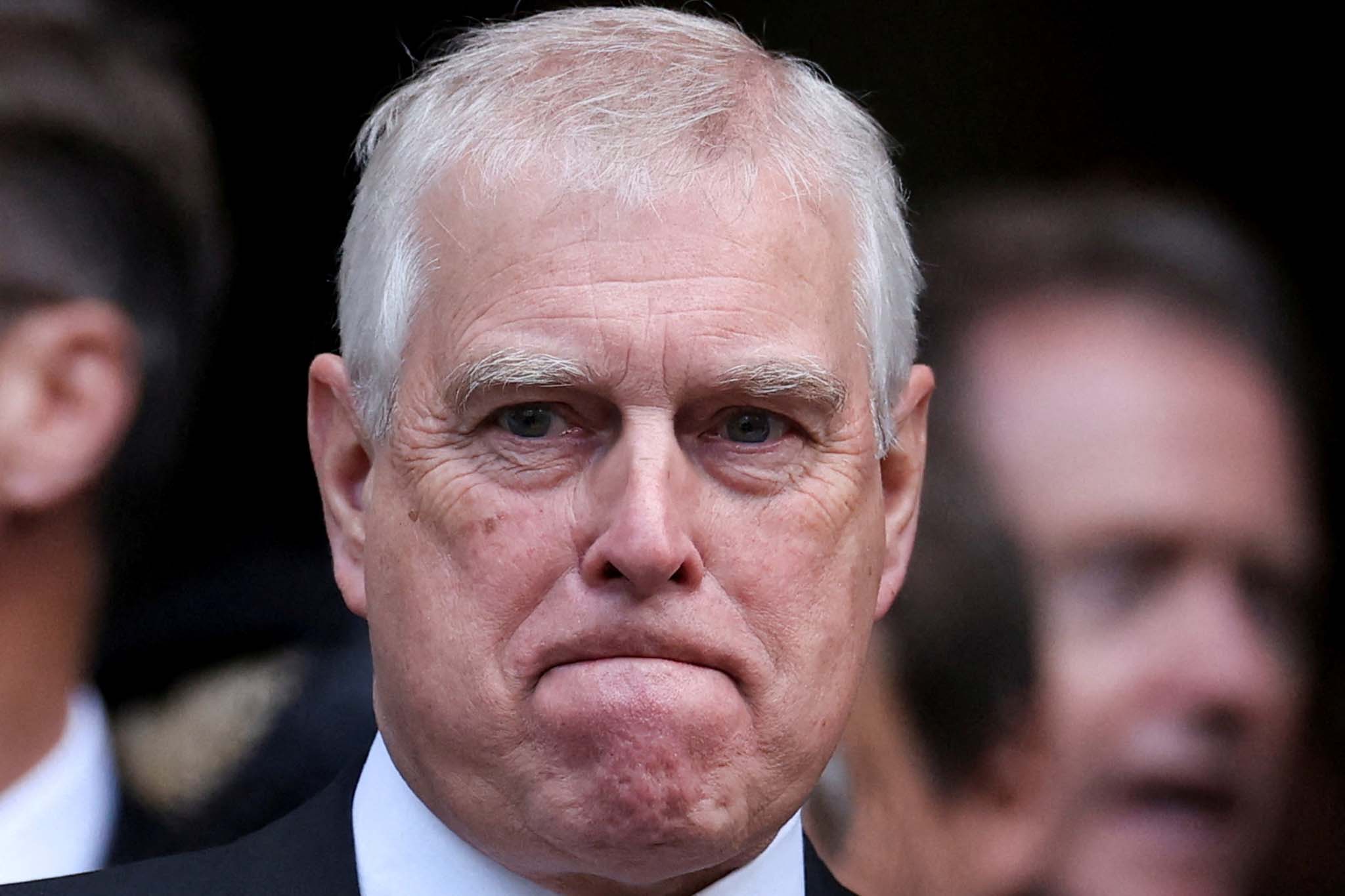
Legally, his lease on Royal Lodge until 2078 is watertight – and, given his genetic inheritance, he could easily be living there until the 2050s, with the option of eventually transferring the place to his daughters Beatrice and Eugenie. He has spent something like £7.5m on doing it up, plus paying a £1m fee on acquisition, and the crown estate – a private commercial concern – and the National Audit Office thought it all above board, given it couldn’t or shouldn’t be leased out to some foreign billionaire.
But that’s not the point. The point is that the will of the people should prevail in a democratic country, and sentiment is very much against Andrew, even if ministers and parliamentarians prefer to “leave it to the King and the palace”. As the revelations spill out, and with only a fraction of the Epstein files released and other victims still unheard (who were the girls in the alleged Epstein-Andrew orgy?), that is unsustainable.

Some say the Duke of York – he still holds that title even if it is supposedly in the legally non-existent category of “abeyance” – should go into exile abroad, like his great-uncle Edward VIII, as Duke of Windsor, post-abdication, to lessen embarrassment. That didn’t stop him going to meet Hitler, of course – exile doesn’t change a personality – and being a curiosity abroad might simply feed his vanity and raise Andrew’s profile.
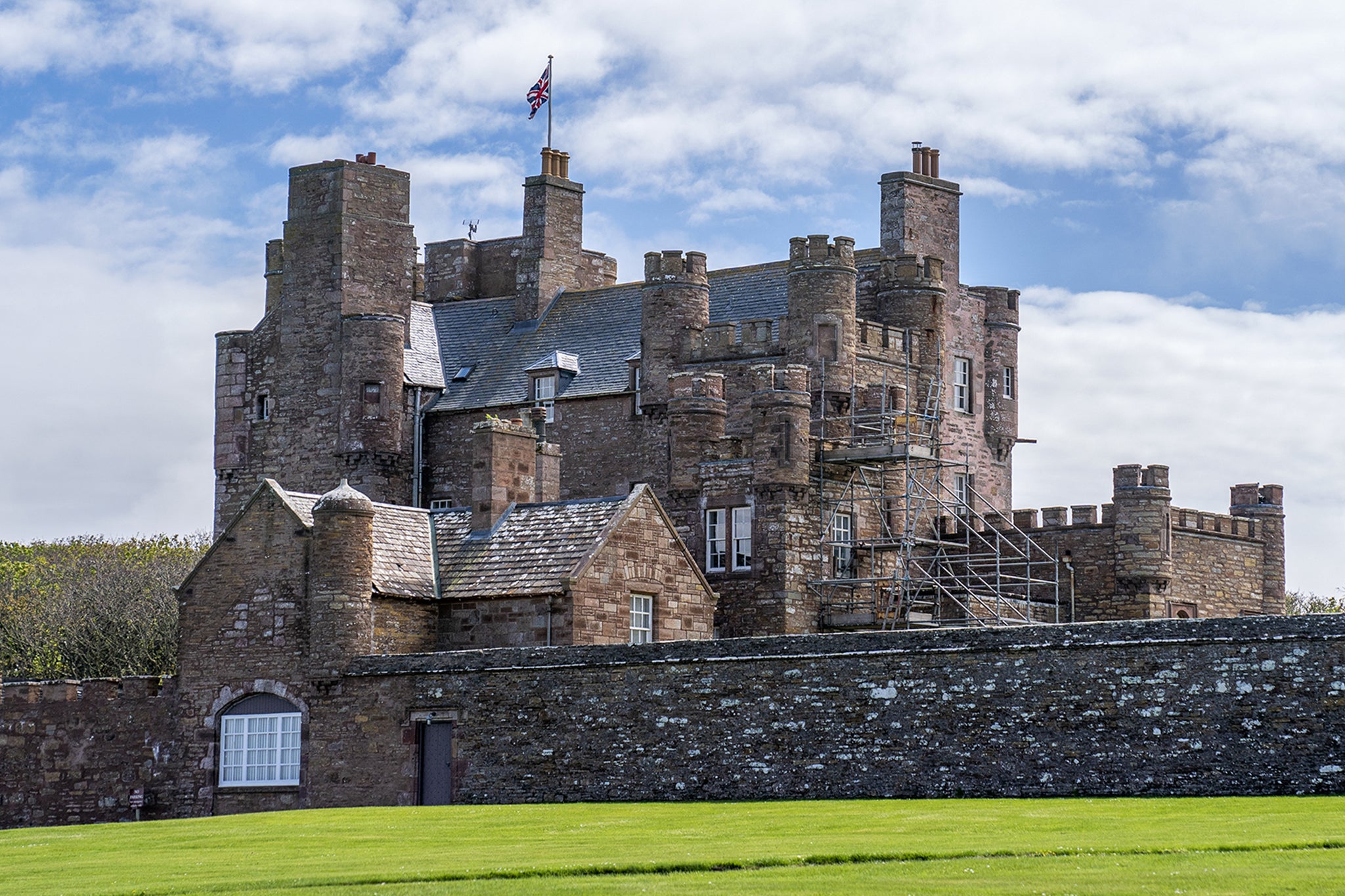
Exile seems unnecessary if a similar result could be achieved for the prince and his ex-wife/minder/best friend, Sarah, going to live in some remote outpost, only in Britain. Such a relatively comfortable and suitable residence remains in the royal portfolio – the Castle of Mey.
Acquired and renovated by Queen Elizabeth the Queen Mother in the 1950s, it is a few miles from John O’Groats, and thus far away from trouble and attention. It would be an internal exile, with freedom to come and go, and without great hardship, but lonely, and that is probably what most of the public would be satisfied with, all things considered. About as far away, geographically, climatically and spiritually, from Epstein’s private island in the US Virgin Islands as it is possible to be.

For many, of course, it wouldn’t constitute justice or help the victims secure their “closure”, but the nation is in the mood to shun this formerly popular, handsome and glamorous prince. The less they see and hear of him, the better.
Join our commenting forum
Join thought-provoking conversations, follow other Independent readers and see their replies
Comments
Bookmark popover
Removed from bookmarks