As a tech critic, these are my technology predictions for 2026
I’m on top of the latest launches – here’s what this year could bring the tech world

As 2026 begins, it will bring with it new gadgets, innovative software and improved features. The year begins with CES, a gigantic trade show in Las Vegas, where The Independent will be reporting from the show floor on the best new tech releases.
Alongside too many freaky robots, self-driving vehicles and glossy prototypes that look like nothing so much as vapourware, never to be released, the show can indicate trends for how the year will develop. Before it starts, here are a handful of predictions for what 2026 might bring.
The year that the folding phone becomes mainstream
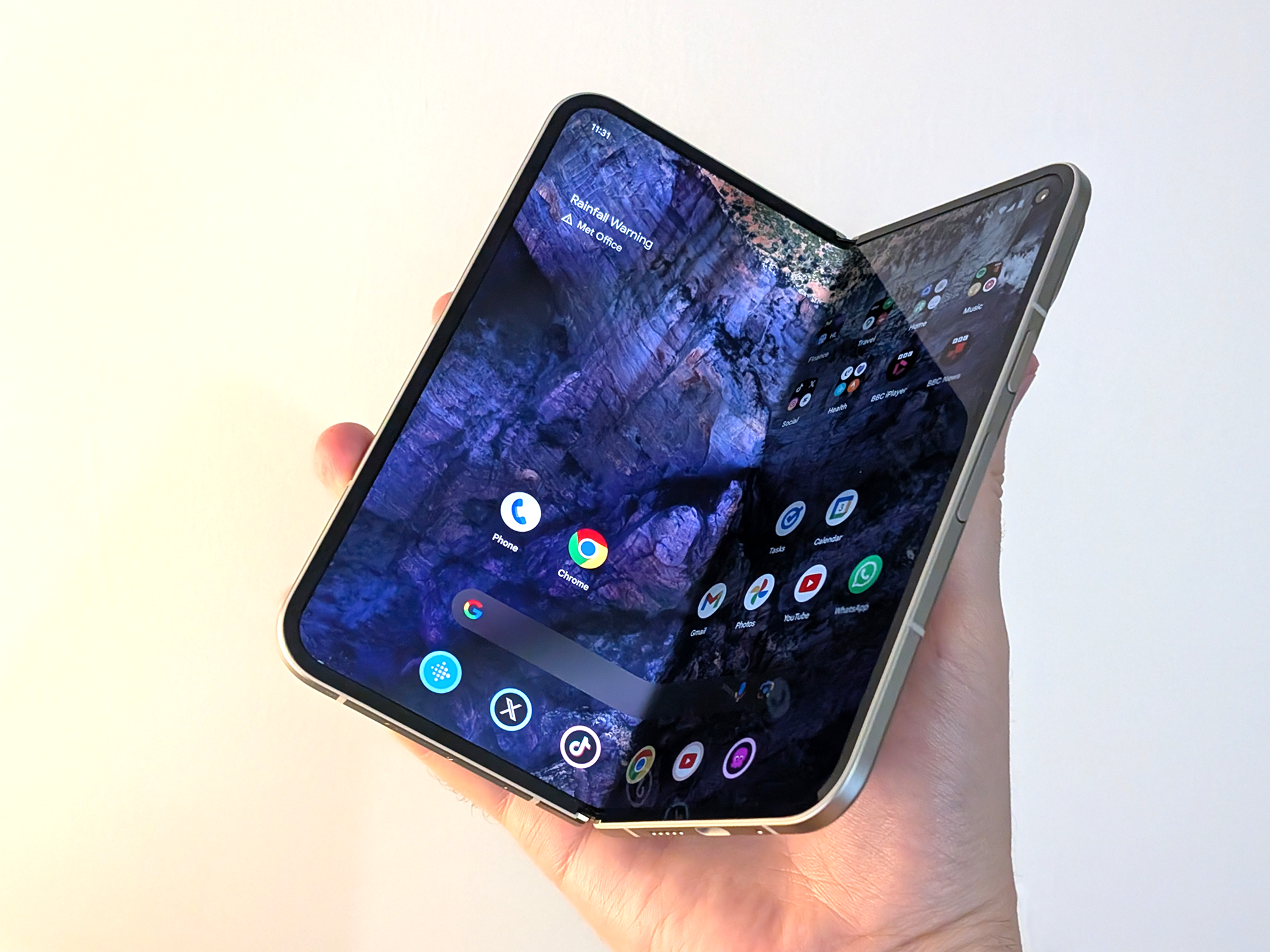
If persistent rumours prove true, Apple will launch its first-ever folding phone in autumn 2026. It will likely be a book-style folder, which folds out from regular smartphone size to become a small tablet, rather than folding down to something half the size of a normal phone.
Folding phones have been around for more than half a dozen years, but they have yet to really take off. But one trick Apple is good at is taking a peripheral technology and making it mainstream. And since a rising tide lifts all boats, expect other manufacturers such as Samsung, Google, Honor and Oppo to benefit from this. Samsung releases its folders in the autumn, perhaps about the same time as the iPhone Fold (if that’s what it’s called) debuts.
Apple’s elegantly beautiful iPhone Air arrived in September this year and its super-thin profile (5.6mm) may prove to have been good grounding for the folding phone.
Here’s another prediction, and I’m not happy about it. Samsung and Huawei both have phones which fold twice, not once, and these are universally being called trifold phones – Samsung’s is even being named the Galaxy Z TriFold. Shouldn’t that be BiFold? Alas, I think the inaccurate trifold tag has taken hold already.
Samsung will have a big year

It looks like 2026 will be an important time for Samsung. Unless there’s an upset, it will mark 20 consecutive years of Samsung as the number one TV brand worldwide. As well as continuing its unique TV styles like The Frame (which becomes a private art gallery when you’re not watching shows) and The Terrace, a water-resistant screen for outdoor use, look out for MicroRGB. This promises vivid colours, great contrast and more precise images while costing less than some of the company’s other top-flight products.
The next smartphones from Samsung will include the Galaxy S26 Ultra and a recent leak suggests that the company will continue its successful partnership with Qualcomm. The Qualcomm Snapdragon 8 Elite Gen 5 will, it seems, be in every version of the phone, not just the US models. This will be a bespoke version of the leading-edge chip, tailored to Samsung’s needs. Expect this phone to come early in the year, despite what you may have heard.
And since the company has a new Chief Design Officer, Mauro Porcini, expect things to change across the board of Samsung products in the coming months.
AI will continue to be everywhere, whether you want it or not
AI is a wonderful thing (perhaps now I’ve written that, the machines will behave tenderly to me when they rise up), but I’m not sure we need it everywhere.
One of the most exciting things to come to the UK will be Alexa+, the highly advanced version of Amazon’s voice assistant, who will be able to do a slew of sophisticated things, assuming the highly impressive demonstrations I’ve seen work out all right. No longer will your smart speaker be used just to set a boiled egg timer.
And 2026 should see the launch of Siri with Apple Intelligence, perhaps around March or April on the iPhone. It will do things you really want AI to do, like tell you the name of that person heading towards you, who would otherwise be gutted to discover you forgot this detail.
In the meantime, say please and thank you to Siri and Alexa. You never know.
Wearables, especially smart glasses, will grow faster than ever

After the disaster that was Google Glass (with wearers nicknamed Glassholes), wearable tech for the face has come on leaps and bounds. Leading the field right now is Meta with its Ray-Ban Meta glasses, for instance. Not only can they play music beguilingly in your ears without headphones, they can use AI to describe what you’re looking at, or translate conversations in real time. Plus they’ll give you hands-free directions, offer you information like current wind conditions when golfing or skiing, for instance, and shoot video of your high-speed cycle ride.
Expect the ingenious capabilities to grow more various. And the Meta glasses with a screen built in, Meta Ray-Ban Display, should arrive in the UK in 2026.
Health and fitness tech will be even more important
In 2025 Apple turned the AirPods Pro 3 into fitness tech by adding a heart rate sensor to the earbuds. Next year, expect more sensors on wearable devices to add to the metrics we can track. The holy grail of fit measurements – non-invasive glucose monitoring – is still not in sight, at least not in mainstream devices.
But we can expect AI to play its part here, too, from anticipating that we’re on a run or a cycle ride more quickly to auto-recording exercises in more categories. As AI becomes tuned to users individually, it could offer personalised workouts according to your age, for instance. Also expect wearables to offer more detailed feedback or correction of your movements, helping to predict injuries before they happen.
The IndyBest tech team is on hand to cut through the noise on new launches, like whether the iPad Pro M5 is worth the upgrade
Bookmark popover
Removed from bookmarks