The Independent's journalism is supported by our readers. When you purchase through links on our site, we may earn commission. Why trust us?
Do SAD lamps really work? Experts explain how they can help you beat the winter blues
Light therapy has grown in popularity, with plenty investing in SAD lamps and wake-up alarm clocks
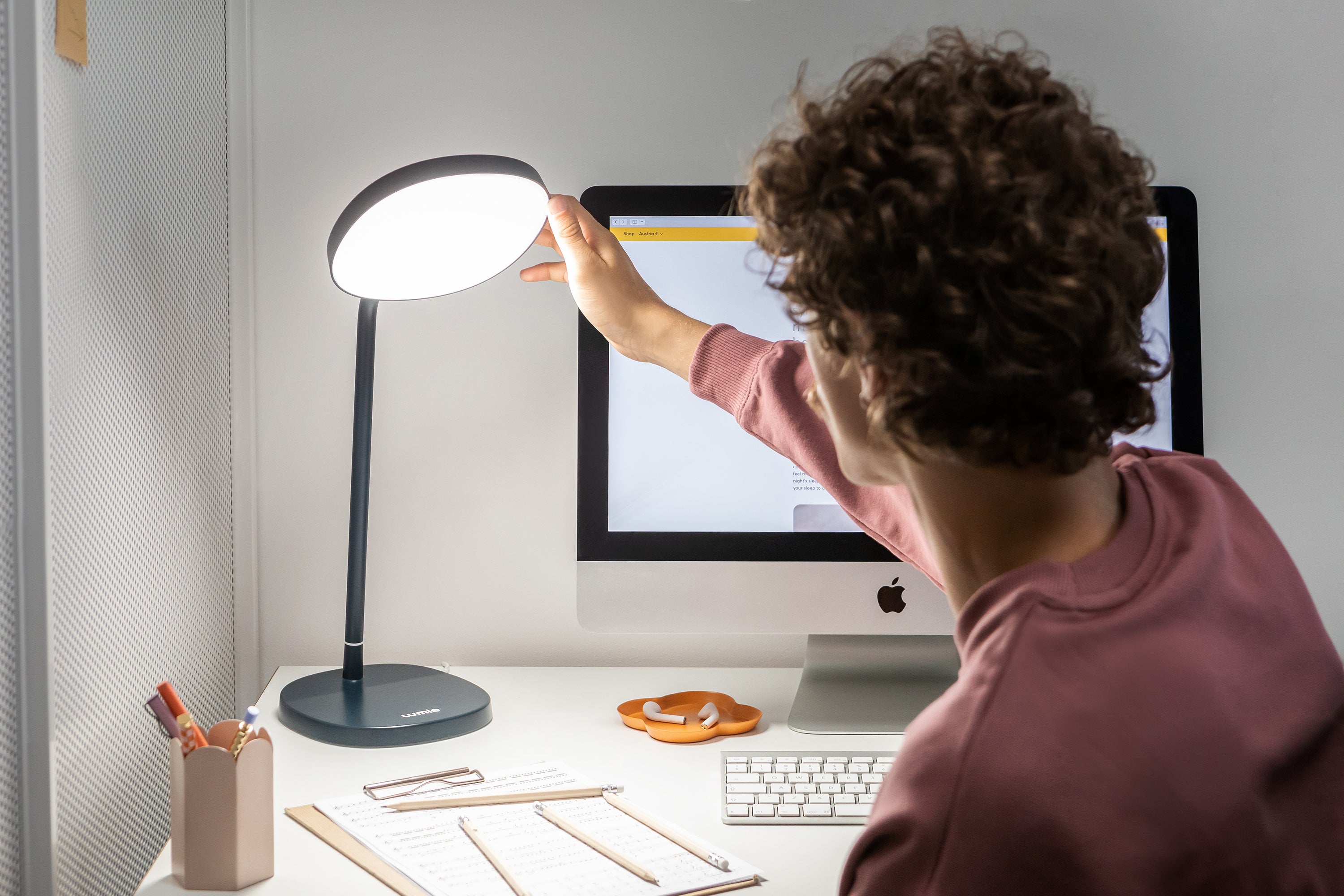
It’s cold outside. You’re tired, way less motivated than usual, and the only emotion you can muster is...meh. Winter is here, and so are the blues that often come with it. For some people, it isn’t just the chilly air that can get them down, but the darker mornings, shorter days and lack of daylight.
In some cases, that low mood can develop into something more persistent: seasonal affective disorder, or SAD. It’s a type of depression that tends to recur at the same time each year, most commonly during the winter months, when daylight hours are at their shortest.
While keeping active, eating well and getting outside during daylight hours can help, it’s not always easy to maintain that vigour through the depths of winter. It’s one of the reasons why SAD lamps have grown in popularity in recent years, with many people turning to them as a way to compensate for the lack of natural light. But do they actually work?
There’s growing evidence that the lack of daylight itself can affect how we feel. A 2024 study, published in the Environmental Research journal, found that greater exposure to daylight during winter months was associated with lower odds of depressive symptoms, suggesting that the darker days can have a measurable impact on mood.
Light plays an important role in regulating our internal clock, which helps control when we feel awake, sleepy and alert. When there’s less daylight in winter, that body clock can be thrown out of whack. “The exact causes of SAD are not fully known, but it is likely that SAD is linked to the lack of sunlight that we experience in winter,” explains Sarita Robinson, associate dean in the School of Psychology and Humanities at the University of Lancashire.
Essentially, those darker mornings make it harder for your brain to work out when to wake up and when to wind down. With less morning light, the body produces more melatonin, the hormone that makes you feel sleepy for longer than you should. Over time, that disruption can affect energy levels, alertness and mood.
That’s where SAD lamps come in. Designed to mimic the brightness of natural daylight, they expose your eyes to intense light first thing in the morning to help reset your internal clock. “Research suggests that when bright light enters the eyes, it activates special light-sensitive cells in the retina called melanopsin cells,” Robinson explains.
Those cells send signals directly to the part of the brain that controls your circadian rhythm. One theory, according to Robinson, is that light from a SAD lamp can help bring that internal clock back into sync when it’s been disrupted by darker days. That light also reduces melatonin production, helping the brain switch into a more alert state. “Getting enough daylight – or, when that isn’t available, extra light from a SAD lamp – during the day helps keep this body clock working properly,” she adds.
But do SAD lamps really work?
Multiple studies have found that bright light therapy can help ease symptoms of seasonal affective disorder for some people. In a 2019 analysis, researchers found that bright light therapy could reduce depressive symptoms linked to seasonal affective disorder, particularly when used regularly, with efficacy depending on things like brightness, timing and whether people actually stuck with it consistently.
More recently, a 2024 study published in the Journal of Affective Disorders found that bright light therapy had mild to moderate effects on depressive symptoms compared with a placebo.
Some of that might come down to how light affects your brain chemistry. “The light produced by these lamps works to mimic sunlight that’s missing during the winter months, encouraging the brain to increase the production of serotonin,” explains Dr Hana Patel, a resident sleep expert at Time4Sleep. Serotonin is a chemical in the brain that plays a key role in regulating mood. “These types of lamps can be especially useful if you set them to brighten gradually in such a way that they mimic the sun’s natural glow, allowing you to experience a natural wake cycle even when it’s still dark outside.”
What to look for in a SAD lamp
If you’re feeling the winter blues and are considering investing in a SAD lamp, there are a few things you’ll want to look for. Light therapy devices generally fall into two categories – full light therapy lamps, designed to deliver a high level of brightness over a short period, and wake-up lights, which use lower light levels to gently regulate your sleep-wake cycle.
For lamps designed specifically for light therapy, one of the most important factors is the amount of light produced. “A light box or lamp that simulates sunlight should generally provide an exposure to 10,000 lux of light, and produce as little UV light as possible to be safe for your eyes,” explains Patel. This is the benchmark most commonly used in clinical light therapy research.
Not all devices marketed for seasonal low mood are intended to deliver that level of brightness. Sunrise alarm clocks and hybrid lamps tend to use much lower light levels, increasing brightness gradually to mimic sunrise, for example. While they don’t provide 10,000 lux, they can still be helpful for regulating your sleep pattern.
In fact, Robinson suggests some dawn simulation alarm clocks can be just as effective – or even more so – for certain people. Dawn-simulating alarm clocks gradually increase light before an alarm goes off. “This type of alarm clock can work better than SAD lamps as it exposes people to the light before they wake up, and they don’t need to remember to sit in front of a lamp later in the day,” she adds. “It is also thought that light exposure in the morning works better at reducing depression than light exposure in the evening.”
Robinson notes that many people struggle with SAD lamps because of the sheer time commitment required. It’s recommended to sit near the lamp for 20 to 30 minutes early in the morning, maybe while eating breakfast or reading, without looking directly at the light. Some wake-up alarm clocks, such as the Philips smart wake-up light, for example, only offer around 300 lux, but are designed to gradually brighten the room to slowly wake you up, rather than deliver full light therapy. Best of all, you don’t need to sit in front of them for half an hour to reap their benefits.
If you’re going full SAD lamp, you’ll want to pay attention to distance. Most SAD lamps are designed to deliver their stated light output at a specific range, usually around 10-20cm from your face. Sitting further away can significantly reduce how much light actually reaches your eyes, which is why smaller lamps often require you to sit closer for longer. The Lumie task therapy light desk lamp, for example, offers 10,000 lux at 15cm, while the more budget-friendly Beurer TL30 daylight therapy lamp provides 10,000 lux at 10cm. The Lumie halo light-therapy lamp and the Beurer TL 45 perfect day daylight deliver 10,000 lux at the furthest distance (20cm).
The best SAD lamps and sunrise alarm clocks
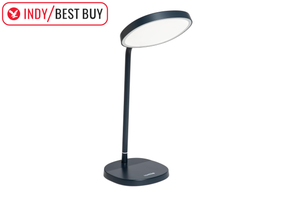
Lumie task lamp
Looking to invest? IndyBest writer Zoe Phillimore chose the Lumie task light therapy desk lamp as the best SAD lamp in her review. “Designed to sit on a desk, this lamp looks great at home and not at all like the traditional panel SAD lamps,” she wrote. “I loved the sleek design, which is complemented by the slide touch control built into the base, which adjusts the brightness. So, once you’ve got your blast of rays for the day, you can use this model as a regular desk lamp.”
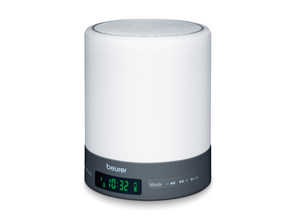
Beurer WL50 wake-up alarm clock
If you don’t want to do a full light therapy session every morning, then the budget-friendly Beurer WL50 is a nice and affordable light-up alarm clock. “Perfect for busy nightstands, this Beurer WL 50 wake-up light takes up very little space,” Zoe said in her review. “Select a time you want to fall asleep or wake up, and the WL 50 mimics the sunset or sunrise at those times.”
For more, we’ve rounded up the best SAD lamps to help you through the winter blues
Bookmark popover
Removed from bookmarks