The Independent's journalism is supported by our readers. When you purchase through links on our site, we may earn commission. Why trust us?
The best Android phones in 2025, reviewed by a tech expert
Android offers a wide range of options when it comes to choosing your next phone
- 1
.png?quality=75&width=156&crop=3%3A2%2Csmart&trim=0%2C0%2C0%2C0&auto=webp) 2
2
- 3
 4
4
- 5
 6
6
- 7
 8
8
- 9
 10
10
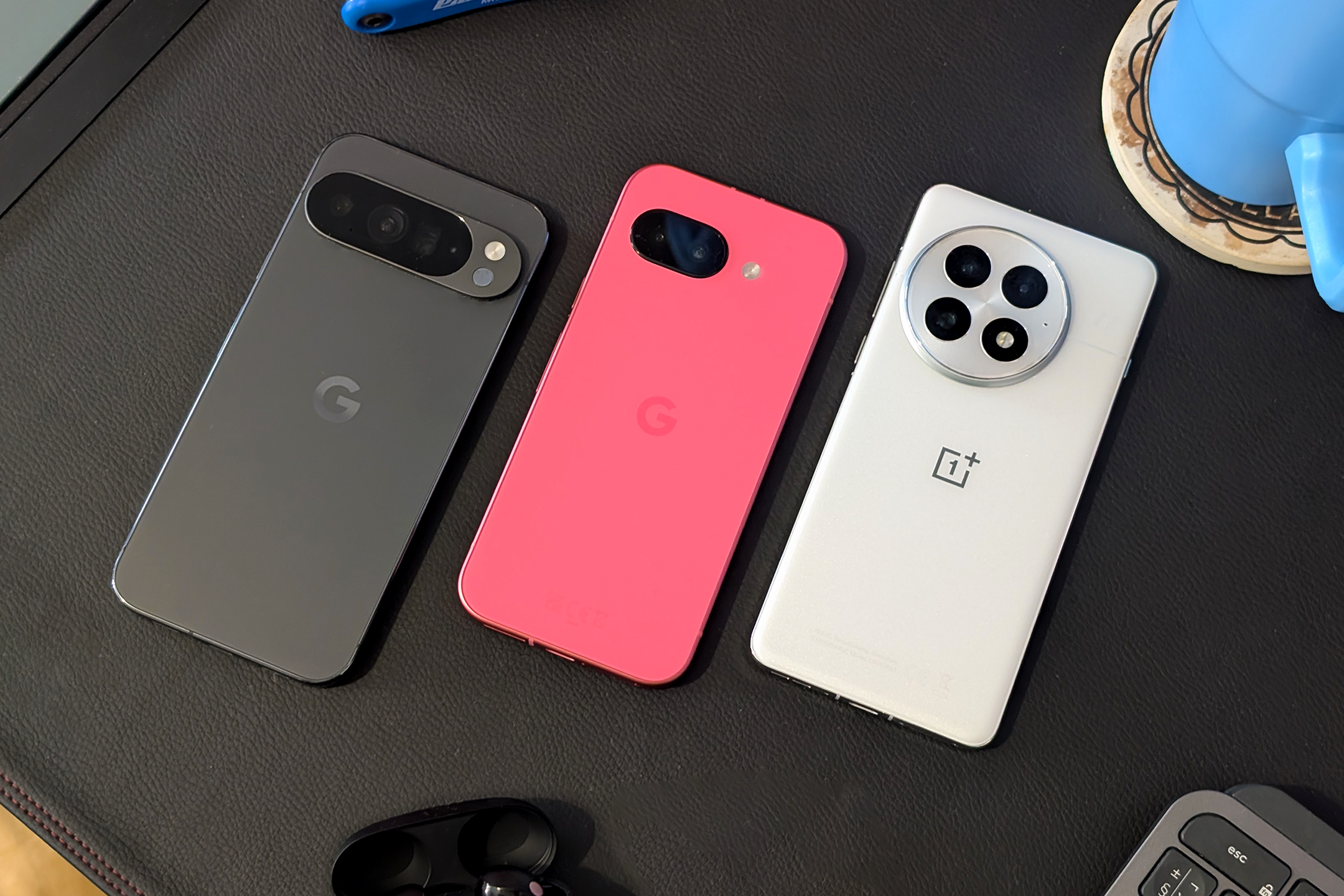
With the launch of the Google Pixel 10 and Samsung’s excellent Galaxy S25 earlier this year, there’s never been a better time to make the switch to Android. You have more choice than ever when it comes to your next upgrade, but my list of the best Android phones of 2025 can help make choosing a little easier.
Designed around the Google-developed mobile operating system, Android phones come in a far wider variety of shapes and sizes than the one-size-fits-all iPhone. If you’re after a built-in stylus, a cutting-edge camera, a folding phone or just want a cheap phone that actually works, you’re likely to find something that fits the bill.
To help you figure out which device is right for you, I’ve rounded up all of the best Android phones I’ve tested and reviewed, from budget-friendly handsets to the latest and greatest flagship phones.


How I tested
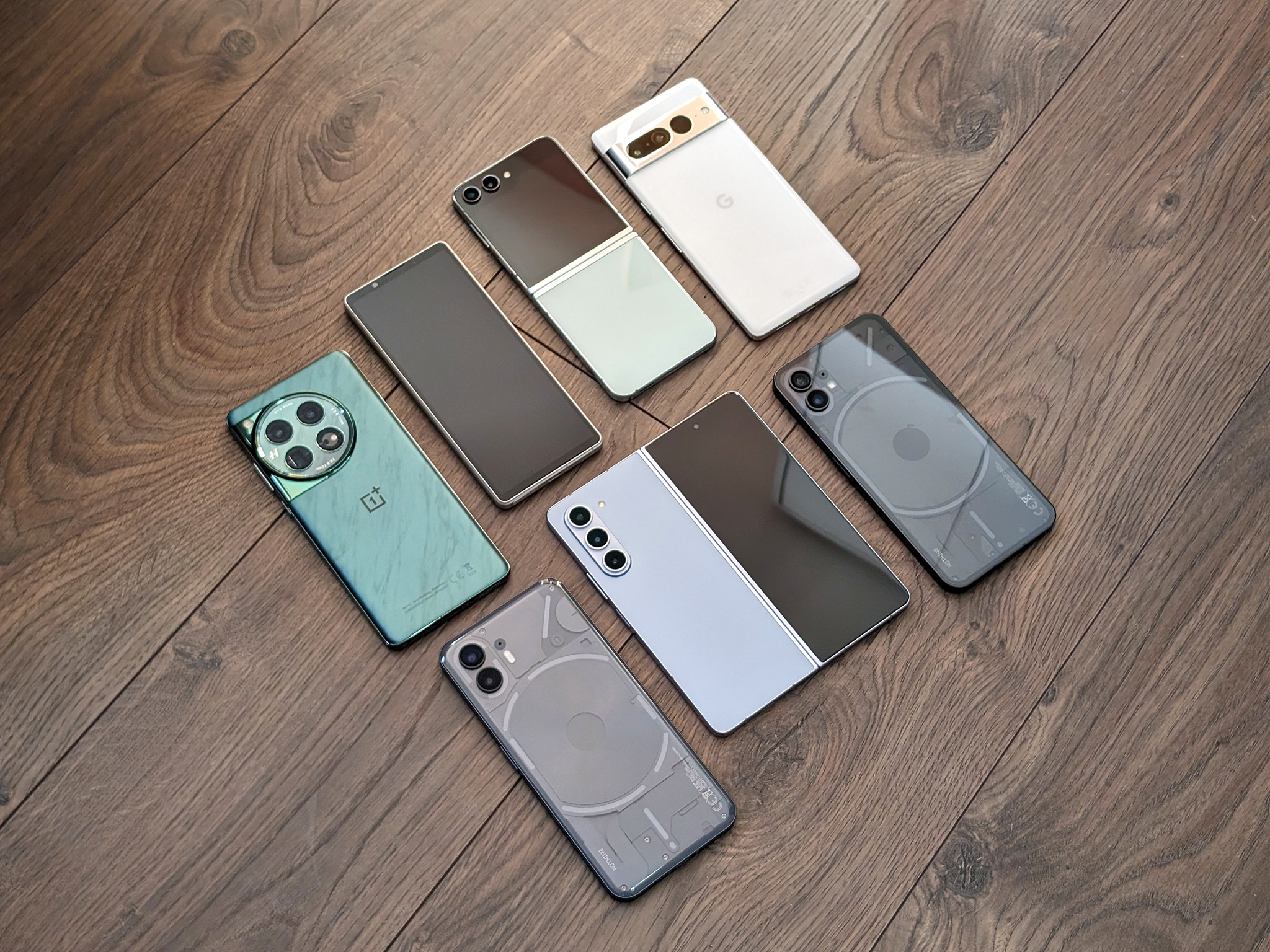
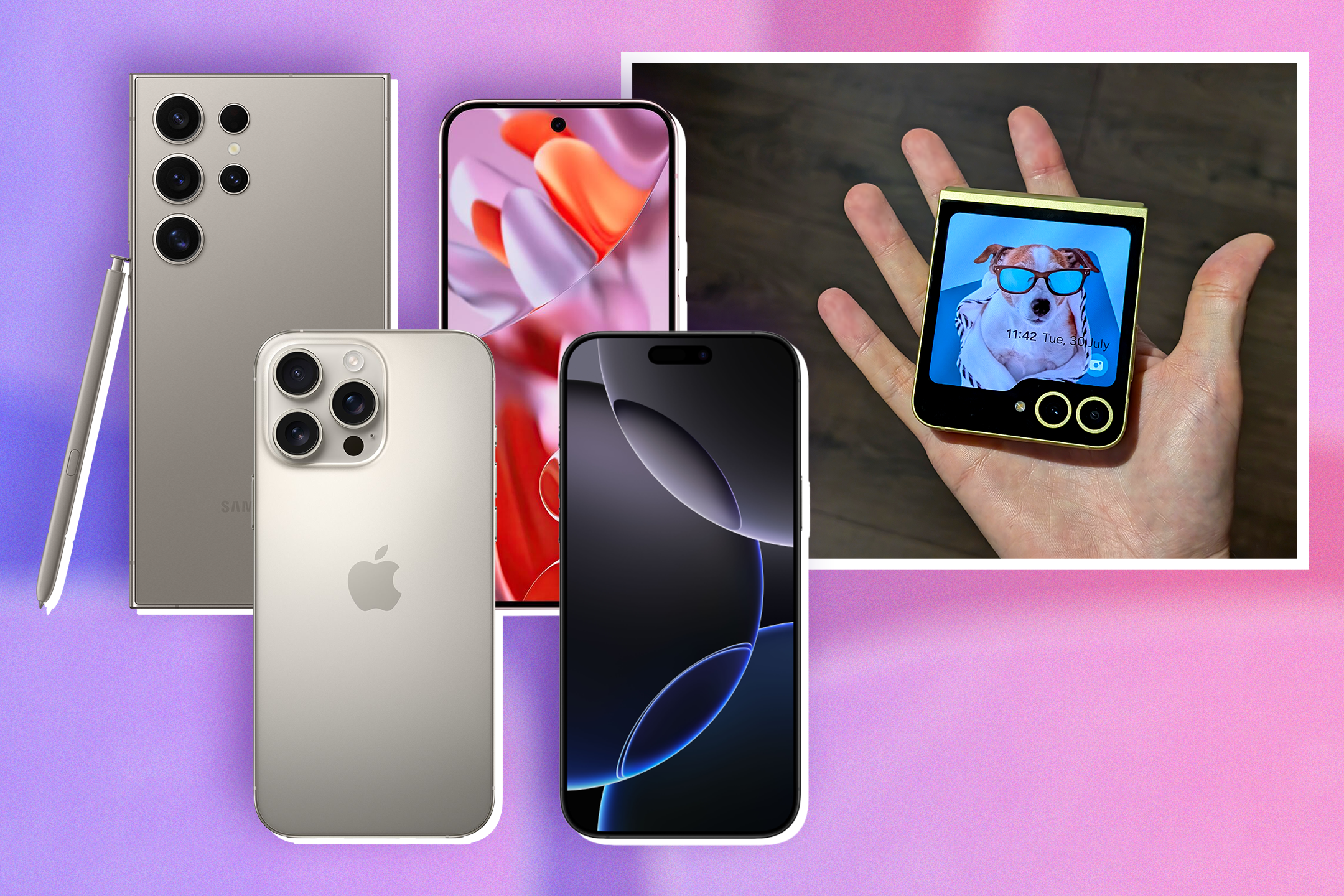
I test all of the latest phones here at IndyBest by swapping them out for my everyday devices. I pay close attention to how they cope with basic tasks such as messaging, listening to music and podcasts, and scrolling through social media feeds.
I also put them through more rigorous testing processes, using the camera in challenging lighting conditions, running YouTube videos around the clock to track battery performance, and running high-performance apps and benchmarking tools to stress the CPU, testing for slowdown and lag.
When testing, I pay close attention to the following:
Performance: The best Android phones are built to handle even the most demanding tasks and run on the latest chipsets to deliver speedy performance. To measure phone performance, I use benchmarking apps to monitor app-switching speeds, camera response times, photo-editing speeds, as well as lagging and stuttering in games and complex apps.
Camera: I test phone cameras by shooting stills and video of a variety of subjects – people, landscapes, buildings, pets – in as many different lighting conditions as possible. I pay particular attention to new and interesting camera features, such as night photography and AI-powered editing tools.
Battery life: Rather than relying on lab-style battery-drain tests, I primarily test battery life by using the phone normally and measuring how much juice is left at the end of the day. That gives me the best impression of how a phone’s battery life performs in the real world and lets me compare battery life between devices in a more meaningful way.
Normal use in this case means regularly switching between wifi and mobile data as we move around, plenty of social media scrolling, watching YouTube videos, using GPS for directions, streaming music using Bluetooth headphones, and the occasional phone call.
Software: There’s a gulf in software quality between the cheapest Android phones and the most expensive. Cheaper phones often cut costs by including third-party apps you didn’t ask for, such as Facebook, and some even feature advertising inside the OS menus.
I take the quality of the user experience into account in my reviews, paying attention to how intuitive the operating system is to use and how much bloatware comes pre-installed, as well as the quality of core apps such as the camera.
Display: I look for phones with sharp and bright displays, as well as displays with high 120Hz refresh rates. A high-quality display not only makes content look more detailed and vivid but also means the phone is easier to view in direct sunlight and puts less strain on your eyes.
Why you can trust us
Steve Hogarty is a technology journalist at The Independent. He has more than a decade of experience reporting on and reviewing smartphones. His tests are designed to measure each phone’s performance, considering everything from design and display to value, durability and camera quality, so you can be sure the results of this round-up are honest and unbiased.
The best Android phones for 2025 are:
- Best overall – Google Pixel 10 Pro: £999, Amazon.co.uk
- Best budget Android – Pixel 9a: £399, Amazon.co.uk
- Best Samsung phone overall – Samsung Galaxy S25 Ultra: £1,199, Amazon.co.uk
- Best cheap Samsung – Samsung Galaxy A56: £424, Samsung.com
1Google Pixel 10 pro
.png?quality=75&width=703&crop=3%3A2%2Csmart&trim=0%2C0%2C0%2C0&auto=webp)
- Best Android phone overall
- Display 6.3in/6.8in Actua display
- Brightness 3,300 nits peak brightness
- Refresh rate 1-120Hz variable
- Weight 207g
- Dimensions 152.8mm x 72mm x 8.6mm
- Processor Tensor G5
- Storage 512GB, 1TB
- RAM 16GB
- Rear cameras 50MP main, 48MP ultrawide, 48MP telephoto
- Selfie camera 42MP
- Why we love it
- Premium, stylish design
- Improved cameras
- Brighter screen
- Slick new Android 16 interface
- Take note
- The most interesting AI features are of limited use if you're not on Google Messages
The Pixel 10 pro is the smartest Android phone you can buy. While it looks almost identical to its predecessor, Google has focused all its energy on internal upgrades, packing in the new Tensor G5 chip and a suite of AI features that finally start to deliver on the promise of a virtual assistant in your pocket.
The highly customisable Android 16 operating system is a joy to use, feeling fluid and responsive. New features like Magic Cue, which seamlessly pulls information from across your Google apps to generate helpful suggested replies, are genuinely clever when they work – though it can be of limited use if all of your friends live on WhatsApp.
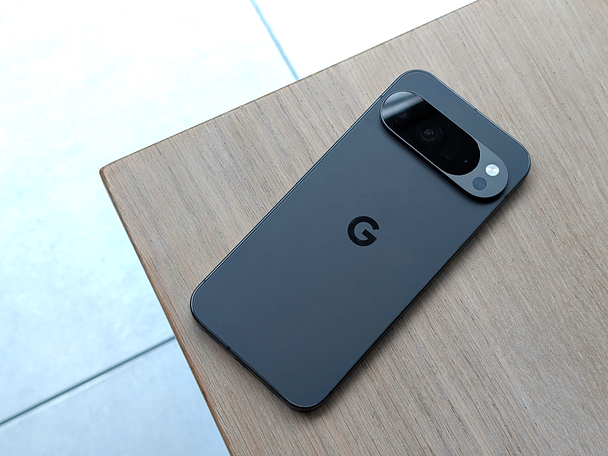
As you’d expect from a Pixel, the camera system is best-in-class, delivering rich and detailed photos in almost any lighting condition. But the headline feature is the frankly wild 100x Pro Res Zoom. “The Pixel 10 invents fresh detail at 100x zoom, using AI to essentially paint in definition that the camera lens can’t physically resolve,” I wrote in my full Pixel 10 review. “You’d feel uncomfortable sharing your zoomed-in shots as fact, but for capturing a clear shot of a distant landmark or some wildlife, it’s impressive and a lot of fun to play with.”
The addition of Pixelsnap –basically MagSafe for Android – is a welcome improvement and while the look and feel of the phone is overly familiar, the Pixel design remains one of the slickest of any phone on the market. An iterative update, the Pixel 10 Pro might be a tough sell for anyone already holding a Pixel 9, but it’s the top choice for anyone looking for the smartest, purest Android experience.
- Pixel 10 Pro with 100GB data: £36.99 per month, £9 up front, Carphonewarehouse.com
2Google Pixel 9a

- Best Budget Android
- Size 154.7mm x 73.3mm x 8.9mm
- Weight 185.9g
- Display 6.3in OLED, 120Hz
- Cameras 48MP main, 13MP ultrawide
- Selfie camera 13MP
- Storage 128GB, 256GB
- RAM 8GB
- Why we love it
- Excellent value
- Full flagship Pixel experience
- Best battery life of any Pixel phone
- Take note
- Thick bezels
Google’s mid-range Pixel phone consistently punches above its weight, and this year’s Pixel 9a is no exception. A budget version of the flagship Pixel 9 and Pixel 9 Pro, the 9a brings the core features of the more expensive devices down to a more palatable price point.
For £499, you get the same top-shelf Pixel software experience, from the clean and easy-to-navigate interface to seamless integration with Pixel accessories and Google’s smart home tech. It’s got less RAM than the more expensive Pixels, but it runs on the same Tensor G4 chip, giving it comparable performance. The camera hardware has been dialled way back, but Google’s excellent image processing results in quality photography for your money. You’ve got all of those flashy Gemini AI features in there, like the ability to chat back and forth about any topic with a realistic-sounding assistant, or edit photos to turn your dog into a wizard. You know, important, practical stuff.
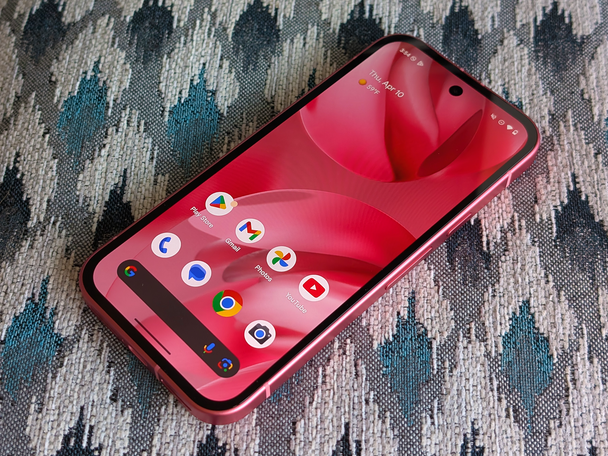
Naturally, there are compromises compared to its pricier siblings. The build materials are less premium in places, though I’d challenge the average person on the street to tell the 9a’s plastic apart from 9 Pro’s glass. The display is much brighter than last year’s Pixel 8a, but it retains those chunky bezels around the edge – they’ll only bother you if you’ve switched from a premium edge-to-edge display, and even then, they soon become easy to ignore.
While the lack of a camera bump might split opinion, the thicker body means there’s room for the largest battery of any Pixel phone. You’ll get an impressive two days of use out of it if you’re careful, and reliably a full day with heavy use. Not many phones come close to these specs and cost less than £500 – the Pixel 9a is a mid-range marvel that even rivals the more expensive Pixel phones on which it is based.
- Google Pixel 9a with 100GB data: £23 per month, £0 up front, Fonehouse.co.uk
3Samsung Galaxy S25

- Best Samsung phone for most people
- Size 147mm x 70.5mm x 7.2mm
- Weight 162g
- Display 6.2in AMOLED, 120Hz
- Cameras 50MP main, 10MP telephoto, 12MP ultrawide
- Selfie camera 12MP
- Storage 128GB, 256GB, 512GB
- RAM 12GB
- Why we love it
- Brilliant OLED display
- Great cameras
- Premium build quality
- Take note
- Barely an improvement on the S24
Another year, another iterative but undeniably excellent flagship from Samsung. The entry-level Galaxy S25 – and the larger, but otherwise identical S25 Plus (£8479, Samsung.com) – build on the foundations laid by its predecessor, offering one of the most polished and premium-feeling Android experiences available today. In my Galaxy S25 review, I called them “boringly brilliant”, which I promise is a compliment.
Although the same as the S24, the camera system remains a standout feature, delivering consistently stunning photos in almost any lighting condition, aided by further refinements to Samsung’s AI processing for sharper details and more natural colours.
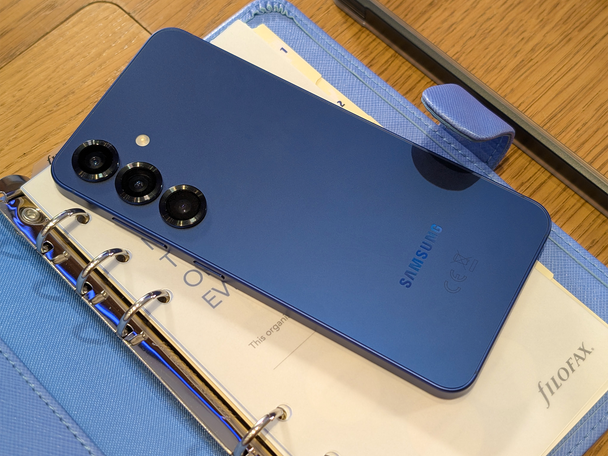
Performance is top-tier thanks to the upgrade to a Snapdragon 8 Elite processor and 12GB of RAM, ensuring smooth multitasking and effortless gaming. The dynamic AMOLED display is, once again, a visual treat – it’s incredibly bright, vibrant, and smooth. While the design hasn't changed much, the build quality feels as premium as ever. Samsung has also smothered the phone in Galaxy AI features of varying degrees of utility, adding on-device capabilities for photo editing, translation and organisation.
It’s a baby step from the Galaxy S24, but the Galaxy S25 represents the peak of Samsung's conventional smartphone design, offering best-in-class components and features. If you want a reliable, powerful Android phone with a phenomenal camera and screen, the S25 remains one of the most compelling choices in 2025, even if it does feel like a spot-the-difference puzzle next to last year’s phone.
- Samsung Galaxy S25 with 30GB data: £26.92 per month, £0 up front, Mozillion.com
4OnePlus 13

- Best OnePlus phone
- Size 162.8mm x 77.6mm x 8.2mm
- Weight 216g
- Display 6.82in QHD+, 1-120Hz
- Cameras 50MP main, 50MP telephoto, 50MP ultrawide
- Selfie camera 32MP
- Storage 256GB, 512GB
- RAM 12GB, 16GB
- Why we love it
- Bright and crisp 120Hz display
- Reliable multi-day battery life
- Clever magnetic charging with accessories
- Decent upgrade on an already great camera system
- Top-drawer new chipset and specs
- Take note
- The big, round camera bump won't appeal to everyone
The OnePlus 13 launched globally in January and offers true flagship quality at a great price. The newest phone in the series hits all of the right notes. The OnePlus 13 boasts a luscious and bright QuadHD+ display with super-high pixel density and superb clarity across all lighting conditions, becoming comfortably dim in the dark while remaining vivid and readable in direct sunlight.
The camera hardware is mostly unchanged since the OnePlus 12, but a suite of new image-processing tricks results in improved photography, especially with moving subjects in challenging lighting conditions.
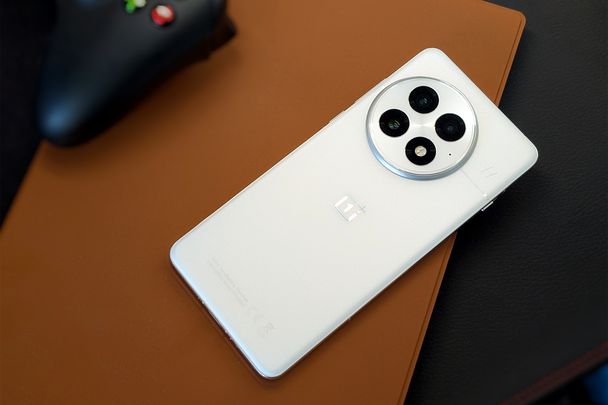
OxygenOS is one of the few Android-based operating systems to actually improve on the underlying software. As well as looking great, it feels slick and responsive. Apps open and switch rapidly, and the OnePlus 13 even copies Apple’s homework with its own dynamic-island-style widget surrounding the hole-punch camera on the phone’s display.
Battery life is where the OnePlus 13 really stands apart from the competition, though. The 6,000mAh battery uses a new type of tech to achieve two-day battery life, even with heavy use. It’s the biggest leap forward in battery technology I’ve seen in years, and you can expect other phones to follow suit this year.
Design-wise, the OnePlus 13 looks great from the front, with neat, thin bezels surrounding the display. That round, plate-style camera bump won’t be to everyone’s taste, but the finish is detail-oriented and the materials are premium and comfortable in the hand.
- OnePlus 13 with 100GB: £47 per month, £29 up front, Fonehouse.co.uk
5Samsung Galaxy S25 Ultra

- Best Samsung phone overall
- Size 162.8mm x 77.6mm x 8.2mm
- Weight 218g
- Display 6.9in Full HD AMOLED, 120Hz
- Cameras 200MP main, 50MP ultrawide, 10MP and 50MP telephoto
- Selfie camera 12MP
- Storage 256GB, 512GB, 1TB
- RAM 12GB
- Why we love it
- Cutting edge performance
- One of the best cameras of any phone
- S-Pen stylus included
- Stunning display
- Drowning in new AI features
- Take note
- Only a minor hardware upgrade this year
The Galaxy S25 Ultra remains the absolute pinnacle of Samsung's smartphone lineup, designed for those who want the best of everything and aren't afraid of a phone that dominates both pocket and wallet. Is it too much phone for most people? Almost definitely, but that’s sort of the point.
The camera hardware is the best you’ll find on this side of the top-end iPhone. This year’s Ultra receives the usual gamut of flavour-of-the-day AI features – letting you turn your selfies into anime characters or replace the sky with a wall of Haribo – but underpinning the daftness is an incredibly versatile camera system, particularly when it comes to zoom and low light conditions.
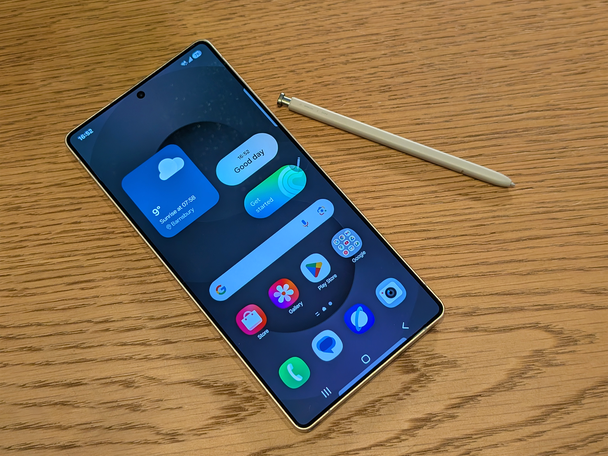
The integrated S Pen stylus continues to be a major differentiator for those who’ll find regular use for it, offering a natural way to take notes, doodle and precisely select things on the phone’s enormous 6.9in display. Performance is monstrous thanks to the Snapdragon 8 Elite processor and its enlarged cooling chamber, easily handling demanding apps and full 3D games that would send cheaper phones into meltdown. You can even plug the Ultra into a monitor and pair it with a mouse and keyboard to access a Windows-style desktop mode.
Like the rest of the Galaxy range in 2025, it’s a tiny upgrade over last year’s models. It's hard to recommend the S25 to anyone already rocking a two- or even three-year-old Ultra. It’s probably overkill for most people. However, for power users, mobile photographers, and stylus fans willing to spend more to get more, the Galaxy S25 Ultra delivers.
- Galaxy S25 Ultra with 10GB data: £41.99 per month, £159 up front, Idmobile.co.uk
6Samsung Galaxy Z Flip 6

- Best Android flip phone
- Size 165.1mm x 71.9mm x 6.9mm / 85.1mm x 71.9mm x 14.9mm
- Weight 187g
- Display 3.4in AMOLED 60Hz / 6.7in AMOLED 120Hz
- Cameras 50MP wide, 12MP ultrawide
- Selfie camera 10MP
- Storage 256GB, 512GB
- RAM 12GB
- Why we love it
- Great build quality
- Stylish, smart design
- Cover widgets are fun
- Years and software support
- Cameras are much improved
- Take note
- Not the largest cover display
Still the most compelling foldable on the market, the Samsung Galaxy Z Flip 6 continues to refine the flip phone formula for the modern era. While it’s not enough of an upgrade to convince Flip 5 owners to switch, the Flip 6 stands out in a sea of similar-looking slab phones, offering a blend of style, portability and smart tech.
The hinge feels smoother and more robust than ever, folding down neatly into a pocketable square. Unfolded, the 6.7in OLED main display is vibrant and fluid at 120Hz, though we’re still a few generations away from getting rid of that subtle crease. The biggest hardware leap this year is the camera, borrowing the sensors from the Galaxy S24 and S25, resulting in better photos and videos compared to previous Flips. Battery life sees a modest bump but still lags behind a traditional slab phone – you’ll get enough juice for a full day, but it’s hardly a world-beater.
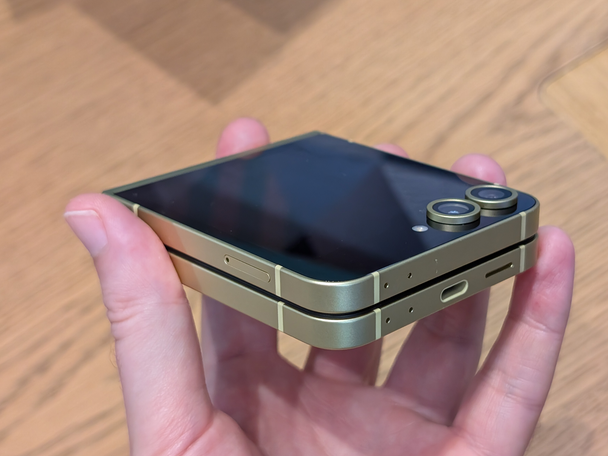
The 3.4in cover screen is handy for quick notifications and replies, and while app support is limited, more and more developers are supporting the small outer display. Samsung’s suite of Galaxy AI features, from photo editing to live translation, adds another layer of functionality. The Flip 6 is also plainly a beautiful object with plenty of customisation options. This understated feat of engineering should be the go-to choice for those seeking a premium, fashion-first Android phone.
- Samsung Galaxy Z Flip 6 with unlimited data: £36 per month, £19 up front, Fonehouse.co.uk
7Samsung Galaxy A56

- Best Cheap Samsung phone
- Size 162.2mmx 77.5mm x 7.4mm
- Weight 198g
- Display 6.7in AMOLED, 120Hz
- Cameras 50MP main, 12MP ultrawide, 5MP macro
- Selfie camera 12MP
- Storage 256GB
- RAM 8GB
- Why we love it
- Vibrant AMOLED display
- Decent camera system
- Strong battery life
- Take note
- Macro lens is underwhelming
Samsung has been quietly dominating the middle of the market for years with its affordable A-series phones. While the Samsung Galaxy A56 faces some fresh competition from Google’s new Pixel 9a in the sub-£500 category, I think it remains the best cheap Samsung phone you can get. It’s an easy-to-recommend mid-ranger for anyone wanting a premium Samsung experience without emptying their savings account.
As usual for an A-series phone, you get surprising quality for a £499 device. The Galaxy A56 features a vibrant, punchy AMOLED display worthy of a flagship. The default storage option of 256GB is double that of the rival Google phone. The battery life is strong, and you can use most of the software Samsung has been slowly adding to its S-series phones, like automatic video montages, circle to search, live translate, the ability to remove or change elements of your photos, and the ‘dynamic island’ style Now Bar, which pops up with personalised recommendations and info throughout your day.
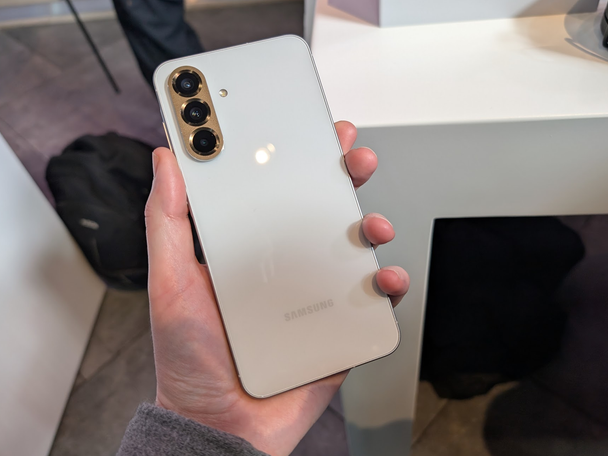
So, where has Samsung made savings? The Galaxy A56 is an upgrade over the A55 but runs on a weaker processor than the S-series, so while performance is fine for everyday tasks, more intensive workloads like gaming will suffer compared to more expensive phones. The display gets chunky bezels rather than running edge-to-edge, though they’re at least satisfyingly uniform, and the cameras are inevitably less impressive. However, I think the sacrifices have paid off. The Galaxy A56 feels like a flagship but leaves your bank balance unscathed.
- Samsung Galaxy A56 with 100GB data: £23 per month, £0 up front, Fonehouse.co.uk
8Zenfone 11 ultra

- Best Android for gaming
- Size 163.8mm x 76.8mm x 8.9mm
- Weight 224g
- Display 6.78in, 144Hz
- Cameras 50MP wide, 32MP telephoto, 13MP ultrawide
- Selfie camera 32MP
- Storage 256GB
- RAM 12GB
- Why we love it
- Sharp design
- Great performance
- Big and beautiful screen
- Improved battery life
- Take note
- No smaller variant available yet
Asus is known for producing some of the best small phones on the market, but the Zenfone 11 ultra breaks from tradition with a much bigger 6.78in display, putting it in the same category as plus-sized flagships such as the Samsung Galaxy S25, Xiaomi 14 and Pixel 8 pro. That might be sad news for small-handed users, but great for anyone looking for a more expansive AMOLED screen, hugely improved battery life and better overall performance.
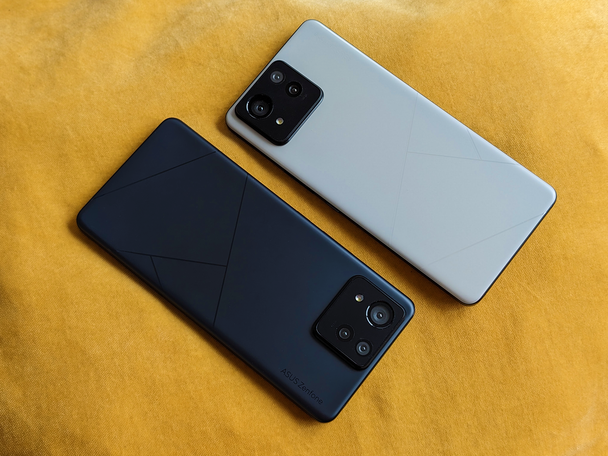
The Zenfone 11 ultra boasts the premium features you’d expect at this price point: a dynamic 1Hz to 144Hz refresh rate, an under-display fingerprint sensor, wireless charging, the latest Snapdragon 8 Gen 3 chipset and a trio of cameras, including a 3x optical zoom telephoto lens and a 13MP ultrawide lens.
Performance is snappy, the display is vibrant, and the clean, squared-off design is accented by neatly etched, angled lines. It’s a great-looking phone, with similarities inside and out to the Asus ROG phone, giving the Zenfone 11 Ultra unbeatable credentials for handheld gaming on the go.
9Google Pixel 9 pro fold

- Best Folding Android phone
- Size 155.2mm x 150.2mm x 5.1mm / 155.2mm x 77.1mm x 10.5mm
- Weight 257g
- Display 6.3in OLED 120hz / 8in OLED 120hz
- Cameras 48MP main, 10.8MP telephoto, 10.5MP ultrawide
- Selfie camera 10MP
- Storage 256GB, 512GB
- RAM 16GB
- Why we love it
- Superb software experience
- Handles incompatible apps well
- Exclusive Pixel 9 AI features
- Incredibly thin
- Inner display looks great
- Take note
- Expensive
- Displays and cameras lag behind the Pixel 9 Pro
Google’s second-generation folding phone is a massive step up from the previous Pixel fold, with a lighter, thinner, all-new design. The wider dimensions of the phone mean it looks and performs like a regular 6.3in phone when closed, and behaves more like two phones side by side when opened to reveal its giant 8in inner display. That’s in contrast to the narrow form factor of the Samsung Galaxy Z fold, where the outer display feels squished and cramped.
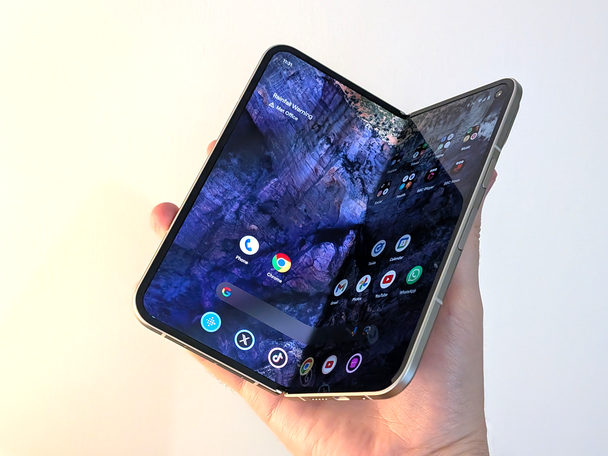
The Pixel 9 pro fold is also much thinner than last year’s phone, about as thin as a Pixel 9 pro with a case, so, while it’s naturally bulkier than a non-folding phone, it’s not so hefty that it can’t fit comfortably into a pocket. The inclusion of the Tensor G4 chip means you get all of the fun Gemini features that headline the rest of the Pixel 9 series, such as Pixel Studio and Pixel Screenshots, plus a few fun tricks, such as the Made You Look feature, which shows animated characters on the outer display to make your kids look towards the camera.

You miss out on the top-of-the-line cameras found in the non-folding Pixel 9 phones, but it feels like a worthwhile compromise to get an expansive inner folding screen on a device this thin. The first folding phone we’d use as our regular daily device, the Pixel 9 pro fold is one of the best foldables you can buy today.
- Google Pixel 9 pro fold with unlimited data: £58 per month, £225 up front, Mobiles.co.uk
10Xiaomi 14

- Best Xiaomi phone
- Size 152.8mm x 71.5mm x 8.2mm
- Weight 188g
- Display 6.36in, 120Hz OLED
- Cameras 50MP main, 50MP telephoto, 50MP ultrawide
- Selfie camera 32MP
- Storage 256GB, 512GB
- RAM 12GB
- Why we love it
- Brilliant display
- Slick performance
- Excellent cameras
- Take note
- Clunky operating system
The numbered Xiaomi phones sit at the top end of the outsider brand’s product range, boasting more premium features and better performance than the budget-focused Redmi and Poco phones.
The Xiaomi 14 is the latest in the flagship Android series, and it’s a solid performer with a bright and vibrant 6.36in screen, running on the latest Snapdragon 8 Gen 3 processor, backed up with 12GB of RAM as standard.
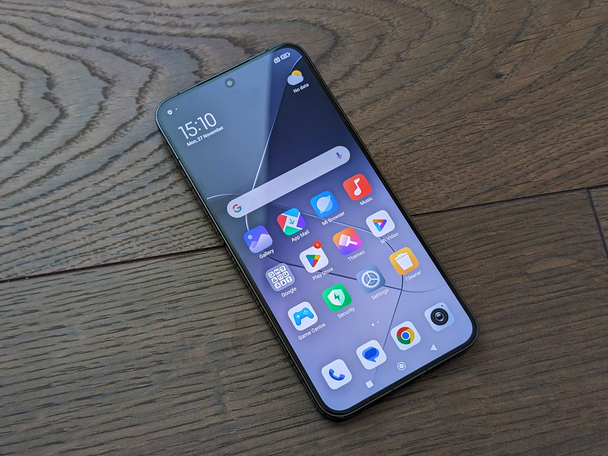
The camera is the star of the show here. Xiaomi’s camera array is made up of three 50MP lenses, enabling fast shutter speeds, 3.2x optical zoom, 14mm ultrawide photography and a pro mode for shooting in RAW format. Pictures look great in all lighting conditions, though you’ll miss out on some of the fancier post-processing capabilities found in Apple, Samsung and Google phones.
However, as with all Xiaomi devices, the HyperOS operating system drags down the experience. Xiaomi ships its phones with a full set of its own basic apps – which are way more fiddly, less integrated and less polished than competitors’ versions – as well as unwelcome third-party bloatware. With some customisation, you can easily tweak the default apps to suit your own preferences, but the out-of-the-box experience is cludgy compared with the streamlined elegance of iOS or Pixel phones. Still, this is an excellent, great-looking and compact Android phone running on seriously impressive hardware - it just needs a little extra setup to have it running at its best.
Your Android questions answered
What is the best Android phone?
My pick of the best Android phones in 2025 is the Pixel 10 pro. Setting aside the flashy AI features, it’s an incredibly well-built and powerful device that stands shoulder to shoulder with the iPhone in terms of build quality, style and usability.
The cheaper Pixel 9a is a good choice for those on a budget. With the cleanest OS experience you’ll find, Google’s newest phones are as good as Android phones get. Also consider the Galaxy S25 ultra – a smart, stylish, fast and great-looking device with exceptional all-around performance.
What are Android phones?
An Android phone is any smartphone that runs on the Android operating system, a phone interface developed by Google. By contrast, the iPhone exclusively runs on iOS, Apple’s own operating system. Pretty much every other phone on the market runs on Android software.
Phone makers customise Android to make their phones look and perform differently from other Android phones on the market. This means you get a much wider variety of choices in terms of features, price and style from brands such as Samsung, LG and Xiaomi.
How do Android phones compare to iPhones?
Android and iPhone are the two major players in the smartphone world, and while they both offer broadly the same features and functionality, there are some differences. Android is more flexible, letting you customise the look and feel of your phone more readily, and because so many manufacturers use it, you can more easily find a phone that suits your needs and your budget.
The iPhone is more user-friendly, more closely integrated with iOS, and connects seamlessly with MacBooks, AirPods, the Apple Watch and other Apple devices. Because it’s by far the most popular phone in Western markets, apps will often appear on the iPhone’s app store first, before they show up on Google Play.
Want more tech inspiration? Check out our list of the best laptops
Bookmark popover
Removed from bookmarks