The Independent's journalism is supported by our readers. When you purchase through links on our site, we may earn commission. Why trust us?
The tell-tale signs it’s time to change your mattress, according to the experts
Here’s how often you should replace your mattress – and the sneaky habits that wear it out faster

Getting a good night's sleep is essential for your overall health and well-being, and the quality of your mattress plays a crucial role. But how often should you really replace your mattress?
Many people hang on to theirs far longer than they should, often unaware of the impact it can have on their sleep quality, posture, and even allergies. While adding a mattress topper or switching out your pillows can temporarily improve comfort, these fixes don't address the underlying wear and tear of an ageing mattress.
In the UK, the general recommendation is to replace your mattress every seven to 10 years, depending on the type, usage, and quality. However, Tristine Hargreaves, executive director at Bed Advice UK and The National Bed Federation, tells The Independent: “Rather than waiting until your mattress hits a particular milestone year, you should look out for signs that will help you understand if it is time to replace your bed.”
As The Independent's resident sleep expert, I'm dedicated to helping everyone achieve the rest they need. Having tested dozens of mattresses over the years, I’ve come to learn that there’s far more to knowing when to replace a mattress than meets the eye. Here, I explore how often you should switch up your sleep setup, the signs to look out for, and what can impact the lifespan of your bed.

14 best mattresses, tried and tested by The Independent’s sleep expert
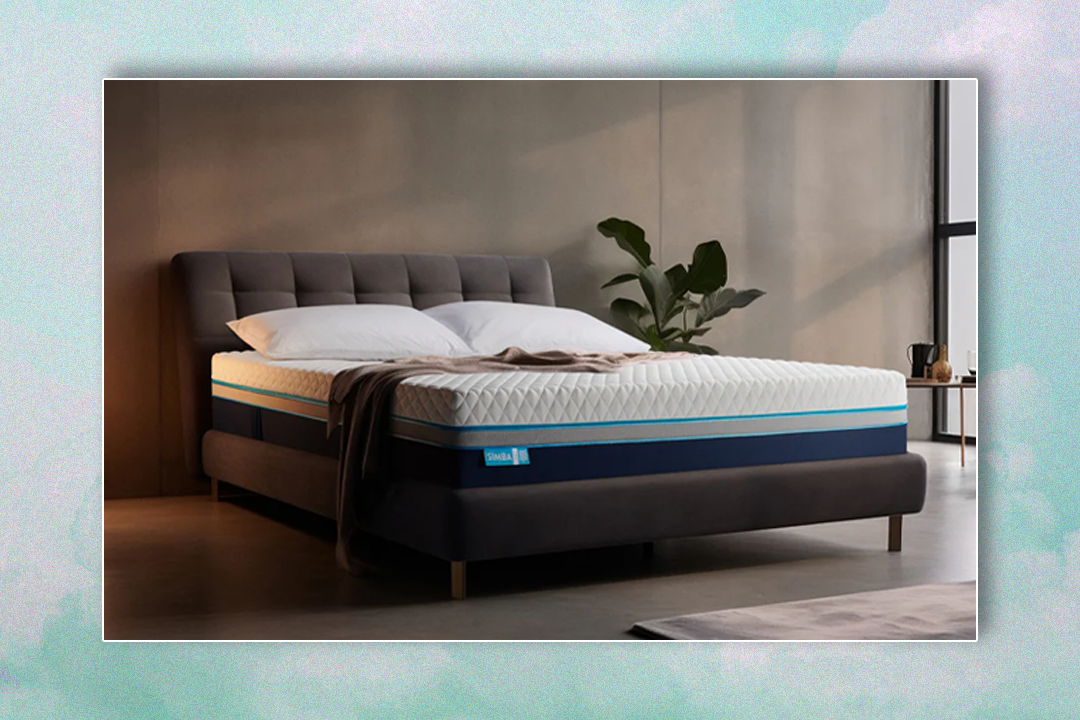
Best mattress deals for September 2025, from Simba to Nectar
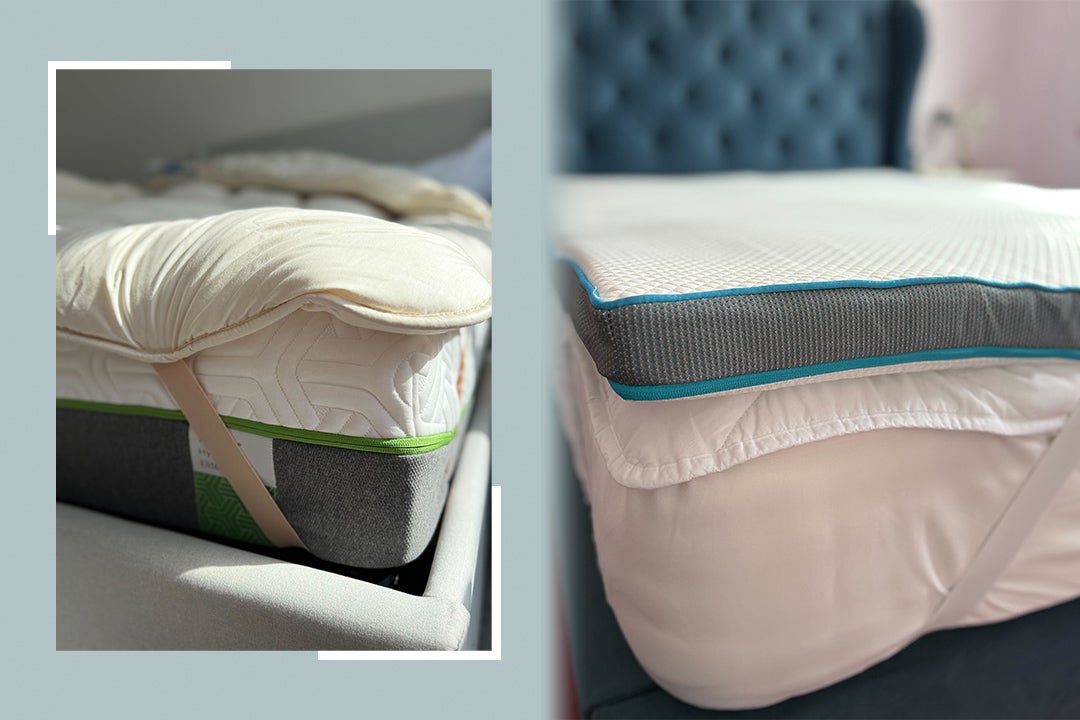
9 best mattress toppers for a comfortable night’s sleep

This Simba mattress transformed how I sleep – here’s why I’ll never look back

Best electric blankets and heated throws to keep you warm and toasty, tried and tested
How often should a mattress be changed?
Before we get into the details, it’s worth pointing out that there’s no strict rule for how often you should replace your mattress. However, as a general benchmark, Hargreaves recommends considering a new one every seven to 10 years. Pushing beyond that timeframe can lead to a noticeable decline in comfort and support. The actual lifespan will depend on how often the mattress is used and how well it’s cared for. A mattress in a guest bedroom won’t need replacing as often as those in the rest of the house.
How do you know if your mattress needs replacing?
If your mattress shows visible signs of wear and tear, such as lumps, bumps, or sagging, it may be time for an upgrade. “Ultimately, if your mattress is no longer providing the comfort and support you need for a good night's sleep, it’s time to replace it,” Hargreaves explains. There are several indicators to help you determine when it’s time to replace your bed.
These include not sleeping as well as you once did, waking up with aches and pains, sleeping better in a bed other than yours, or lumps or visible signs of wear and tear. Even if none of these apply, it’s probably worth replacing if you reach that rough benchmark of seven to 10 years old, or if you find that you and your partner often disturb each other when turning over at night.
What can impact the lifespan of a mattress?
A mattress’s lifespan is affected by several factors: the quality, care and amount you use it. “If you spend a lot of time reading, watching TV and sleeping in bed, then the mattress lifespan will be shorter than the occasional use of a spare bed,” states Hargreaves.
Similarly, changes in lifestyle and our bodies can also impact a mattress’s lifespan. Hargreaves adds that “For example, losing or gaining weight (your firmness preference may change, or you may require a different size), and ageing (you might require an adjustable bed or a mattress with cooling, thermo-regulating properties and so on).”
How can you make your mattress last longer?
Samantha Parish, Hypnos beds’ interior design consultant, says it’s important to air your mattress every week to prevent a buildup of dust and dirt: “Simply leave the bed linen turned back for a few hours each time and allow air to circulate around and through the mattress,” she explains.
Rotating or flipping a mattress can help extend its lifespan by promoting even wear and preventing sagging or body impressions. Most modern mattresses, like memory foam and hybrids, are single-sided and should only be rotated every three to six months. Traditional double-sided pocket sprung mattresses can be both flipped and rotated every six months for best results. Always check the manufacturer’s guidelines to be sure.
But not every mattress can be turned, so while a topper isn’t a quick fix for a mattress that is past its prime, they can make a noticeable difference in comfort or support. “The type you go for will depend on your personal needs and budget,” adds Hargreaves. “Memory foam can offer pressure relief and contouring support, whereas polyester fibre and polyurethane foam are more budget-friendly. A feather-filled topper is luxuriously soft and breathable, but usually more expensive.”
Finally, it's important to shield your mattress from everyday wear, especially spills and stains. That’s where a mattress protector comes in. Sitting directly on top of your mattress, this handy layer acts as a barrier against moisture, dirt, and allergens.
How often should you change a child’s mattress?
While the National Bed Federation suggests adults should change their mattress every seven years, children's mattresses often need replacing every few years, as their developing bodies require consistent and appropriate support as they grow. “Parents should aim to change the child’s bed and/or mattress at significant growth periods,” says Hargreaves. As a general rule, children aged 3-10 years require a new mattress every three years, while those aged 10-16 years need one every five years. However, if you notice signs of damage or discomfort, it may need changing sooner.
The best mattresses to buy now:
If you've decided it's time for a new mattress, you're in the right place. There are a few things to consider when weighing up how to buy a mattress, but I've handpicked a selection of IndyBest’s favourite mattresses – all thoroughly tried and tested – to help you find the right balance of comfort, support, and quality for a great night's sleep.

Simba hybrid luxe
Taking the top spot in my round-up of the best mattresses of 2025, Simba’s hybrid luxe hugely improved my sleep and offered the ideal balance between a firm and medium sleeping base. The mattress has 11 layers that each help to promote everything from temperature regulation and breathability to support.
To really put this mattress through its paces, I also called upon IndyBest writer Helen Wilson-Beevers to try it out. After a full year of testing, she agreed it’s worthy of the top spot. “I’ve found the mattress to be supremely comfy and sumptuously supportive,” she wrote in her review. “In fact, I would go as far as to say the Simba hybrid luxe mattress has transformed my sleep, leading to an increased feeling of restfulness at bedtime.”
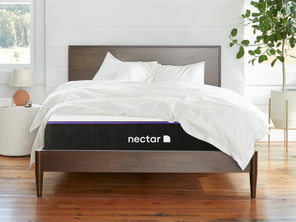
Nectar premier hybrid mattress
Ideal for anyone after a medium firm mattress, Nectar’s offering is made from eight layers of foam, micro-springs, memory foam and a supportive base. The mattress helped ease my pressure points and kept my spine aligned. Plus, it scored extra points for its ability to reduce motion transfer, so I couldn’t feel my partner tossing and turning in the night.
The mattress also comes with a 365-night free trial and forever warranty, which means you can try the bed through every season to make sure it works for you.
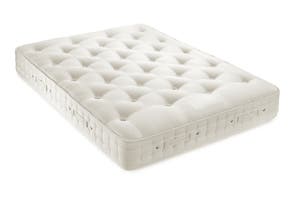
Hypnos ortho support 7
The best firm mattress that I tried, the Hypnos ortho support 7 is made up from layers of organic wool and cotton that not only provide support, but ensure it’s breathable. Ideal for anyone suffering from ongoing aches and pains, it offers a supportive amount of firmness without feeling too hard.
However, all those layers mean this mattress is very heavy – you may need more than one of you when tussling with an awkward sheet.
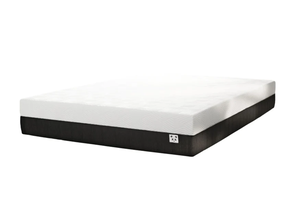
Panda hybrid bamboo mattress pro
This hybrid mattress is a great vegan option, and I really liked that it comes topped with a luxe bamboo and viscose cover that immediately gets extra points for being removable. Beneath this layer, there’s a breathable foam layer, which is infused with the all-important bamboo, which is naturally temperature regulating, so it should do well in every season.
The mattress is medium-firm with a subtle bounce, and I found it to provide excellent comfort and support, particularly for back sleepers. However, the brand assures it’s suitable for front and side sleepers too, because there are two different kinds of foam working to accommodate you and your sleeping position.
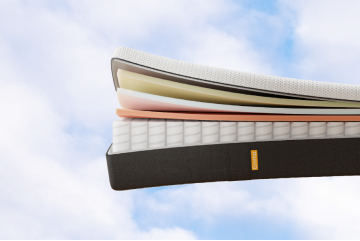
Don’t sleep on this Emma saving for Black Friday! Get up to 30 per cent off with top deals from the mattress and bedding brand now
Learn MoreJust upgraded your sleep setup? Read our expert guide on the best ways to dispose of your old mattress
Bookmark popover
Removed from bookmarks