The Independent's journalism is supported by our readers. When you purchase through links on our site, we may earn commission. Why trust us?
15 best wireless headphones, selected by a tech expert
Bluetooth headphones offer greater comfort, sound quality and noise cancellation compared to earbuds
- 1
 2
2
- 3
 4
4
- 5
 6
6
- 7
 8
8
- 9
 10
10
- 11
 12
12
- 13
 14
14
- 15

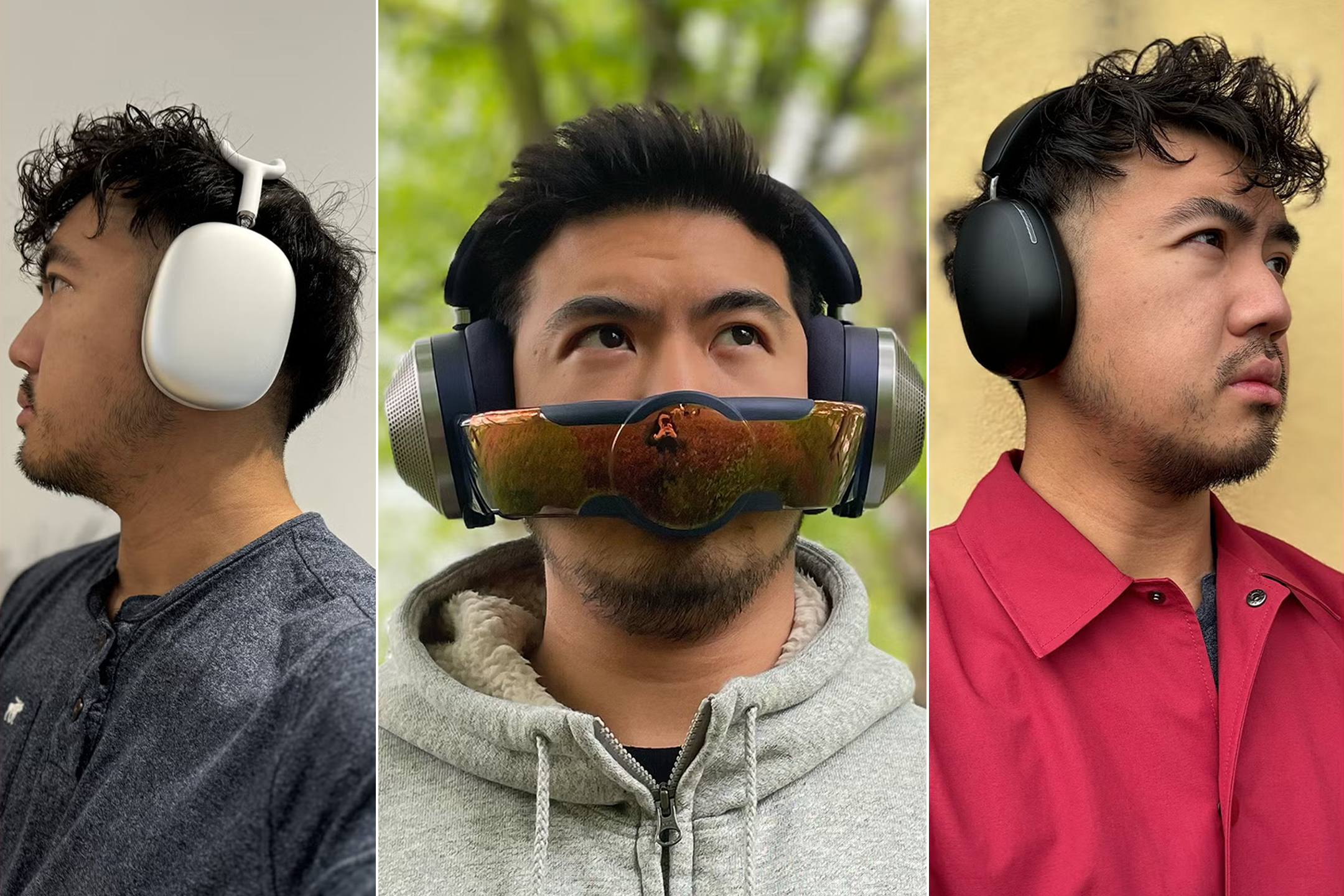
If you're serious about sound quality (or simply want to keep your ears warm) you need a proper pair of the best wireless headphones.
Compared to earbuds, the larger drivers of headphones mean richer, more spacious sound with bass you can actually feel, while the physical seal of a plush ear cup provides a level of comfort and passive isolation that tiny silicone tips can’t match.
The latest wireless headphones are packed with features designed to make life easier, from adaptive noise cancellation (ANC) that automatically adjusts to silence a noisy office, to spatial audio that tracks your head movements for a cinema-like experience. And with battery lives now stretching to 60 hours and beyond on some models, the days of being tethered to a charging cable are long gone.
But choice paralysis is real. The market’s swamped with wireless headphones that look the part but don’t deliver. That’s where I come in. I’ve been testing the best wireless headphones for years here at The Independent, so if it’s on this list, trust me – to quote Shania – it did impress me much.
Read more: 16 best wireless earbuds, tested by our tech expert
The best wireless headphones for 2026 are:
- Best overall – Sony WH-1000XM6: £335.10, Amazon.co.uk
- Best budget buy – Anker Soundcore space Q45: £109.99, Amazon.co.uk
- Best for noise-cancellation – Bose QuietComfort Ultra: £299, Amazon.co.uk
- Best for iPhone users – AirPods Max: £499, Amazon.co.uk
- Best for the office – Technics EAH-A800: £179, Amazon.co.uk
How I tested
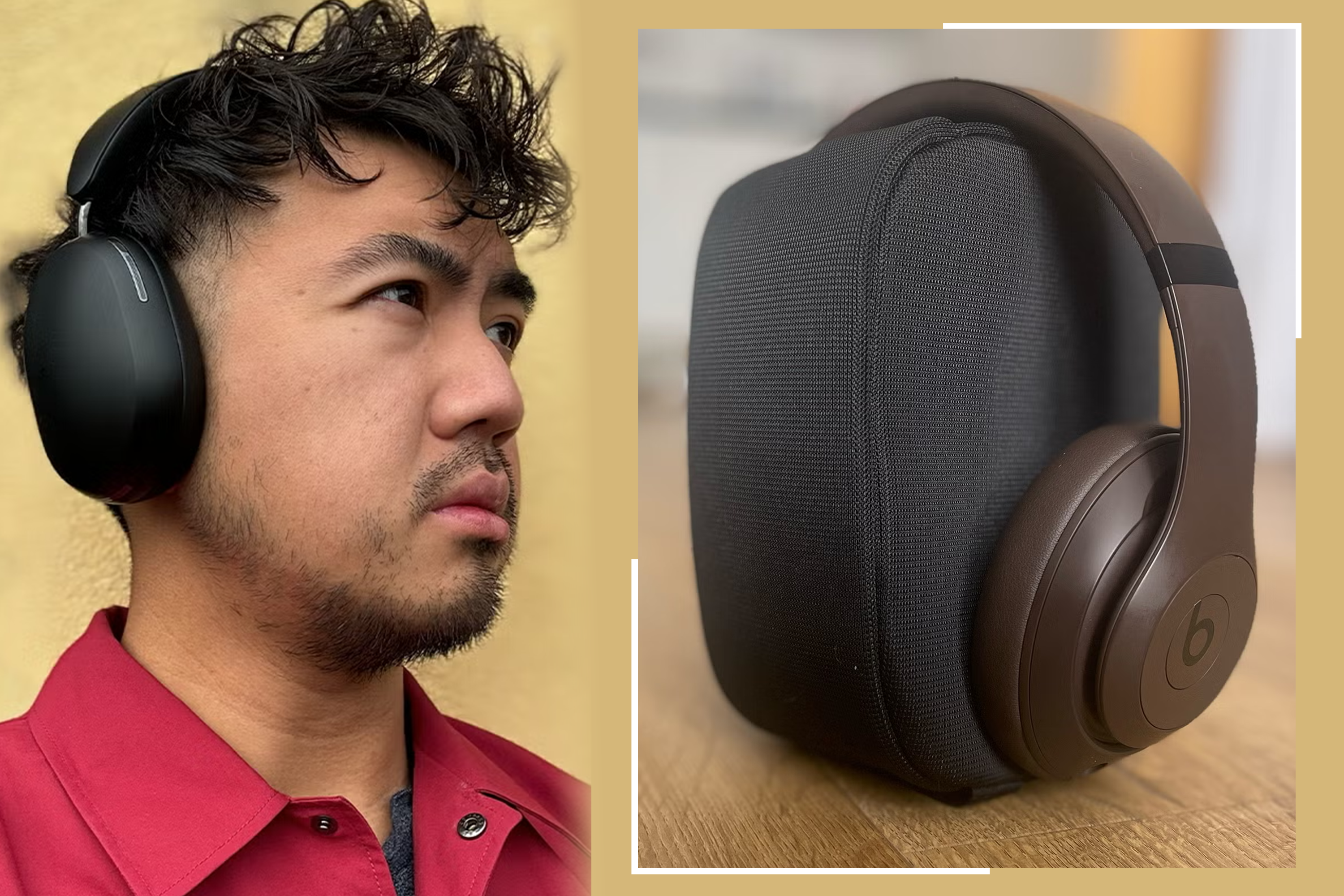
To test these headphones, I listened to everything from orchestral scores and pop bangers to true crime podcasts, audio dramas and the occasional Netflix binge, at both home and out in the wild. Transparency mode was put through its paces during (sometimes awkward) conversations, while noise cancellation got a proper workout on London’s Jubilee line.
Most of the headphones here feature active noise cancellation, but if that’s your priority, we’ve got a dedicated guide to the best noise-cancelling cans. I’m constantly updating this list with the newest releases, so check back as I put more wireless headphones through their paces.
Read more: 9 best running headphones to keep you in the zone
1Sony WH-1000XM6 wireless headphones

- Best Overall
- Type Over-ear
- Noise cancellation Yes
- Weight 254g
- Battery life 30 hours with ANC on
- Connection type Bluetooth 5.3 with multipoint, NFC, 3.5mm jack, USB-C (charging only), Bluetooth LE Audio, Auracast
- Bluetooth codecs SBC, AAC, LDAC, LC3 (via Bluetooth LE Audio)
- Voice control Yes; supports Siri, Google Assistant, Amazon Alexa and Sony Voice Control
- Included removable cable Yes, 3.5mm
- Waterproof No
- Why we love it
- Impeccable sound quality
- Massively improved adaptive noise cancellation
- Refined design
- They fold again
- Take note
- The clamping force is a little too firm for our liking
Sony’s latest flagship headphones are an upgrade in all the ways that count. The WH-1000XM6 take everything I loved about the XM5 – the sound, the features, the comfort – and fix the bits I didn’t. The folding design is back, so the headphones now collapse neatly into a bag, and the sculpted earcups look sleeker than before. I’m a big fan of the new magnetic case, too. It’s easier to open and feels much more premium than the old zip-up one.
Sound quality is where the biggest leap lies. The new carbon fibre drivers deliver a cleaner, punchier sound across the bass and mids. Whether it was Olivia Rodrigo, MGMT or a full film score, tracks felt more spacious and textured. Noise cancellation has also had a massive bump, powered by Sony’s new QN3 chip. During testing on the Jubilee line, in cafés and noisy gyms, the ANC adapted smoothly without the lag I noticed on the XM5.
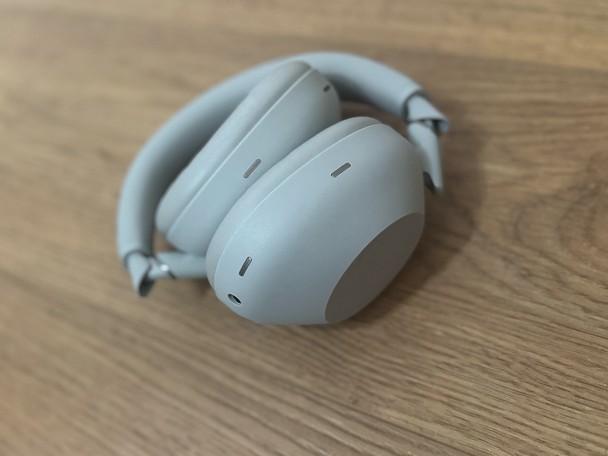
Sony has stuffed these headphones full of features. You get LDAC, multipoint, DSEE Extreme, Quick Attention and Speak-to-Chat, plus fun new additions like background music mode, auto device switching and a dedicated cinema mode that lifts stereo audio in films to new heights. The ability to listen while charging is a small but welcome fix as well.
They’re still comfortable, though the new clamping force is a little tighter, especially over longer sessions (something to keep in mind). Battery life remains at 30 hours with ANC on, and I didn’t run out of juice even after multiple long-haul workdays.
If you’re upgrading from the XM5, you’ll notice a real jump in both performance and usability. For everyone else, this is the best pair of wireless headphones you can buy right now.
2Anker Soundcore space Q45 wireless headphones

- Best Budget buy
- Type Over-ear
- Noise cancellation Yes
- Weight 292g
- Battery life 50 hours with ANC on, 65 hours with ANC off
- Connection type Bluetooth 5.3 with multipoint, 3.5mm jack, USB-C
- Bluetooth codecs SBC, AAC and LDAC
- Voice control Yes, integrated Alexa and Google Assistant
- Included removable cable Yes
- Waterproof No
- Why we love it
- Really good active noise cancellation
- Lively, customisable sound
- Exceedingly good battery life
- Take note
- No on-ear detection sensor or fast pairing
- Microphones could be better
Anker’s Soundcore brand is really starting to make a name for itself in the realm of audio gear. The Soundcore Q45 is a very impressive offering, delivering premium-level features and specs at a fraction of the cost.
The Q45s are strong and sturdy headphones with a nice matte black finish and plush ear cups. They didn’t press down too forcefully on my ears and were really comfortable for long periods of use. The headband did feel a little bit flimsy and bendy, but the overall construction was solid and lightweight, and I liked how smoothly the ear cups extended outward. The playback controls are in the physical buttons, including the ANC and BassUp controls.
There are a few key omissions. It lacks on-ear detection and quick pairing via Google Fast Pair and Apple one-touch pairing. These headphones won’t stop playing music when you take them off your head or resume it when you put them back on, and you have to go into the Bluetooth settings the first time you pair, including when you’re using multipoint.
In terms of sound quality, these are great headphones. Tunes sounded expansive, with rich-sounding vocals and crisp highs. There are extensive equaliser settings in the app, so I could control how music sounded even further, if I wanted to. BassUp really helped propel the lows in some of my favourite drum-heavy tracks. Plus, they support the lossless LDAC codec.
There are five levels of active noise cancellation. The highest of which blocked out external sounds incredibly well, though I did feel the pressure in my ears very quickly – Anker itself acknowledges that this will happen, and lower levels of ANC still provided a good amount of noise cancellation. I liked that you could set it to adaptive noise cancellation as well, and that even the transparency mode had different levels. I wish the microphones were a little better. However, the call quality wasn’t perfect, and Siri had trouble hearing us.
It’s no surprise battery life on the Q45s is really good (it’s Anker, after all). You get up to 50 hours on a single charge with ANC turned on (65 hours without) – that’s huge, ranking near the top of the list, and you get another four hours with a five-minute charge. With a price tag that’s less than £150, they’re a great budget option.
3Bose QuietComfort Ultra wireless headphones

- Best For noise-cancellation
- Type Over-ear
- Noise cancellation Yes
- Weight 250g
- Battery life Up to 24 hours
- Connection type Bluetooth 5.3, 3.5mm, USB-C charging
- Bluetooth codecs SBC, AAC, aptX Adaptive
- Voice control Yes, Amazon Alexa or Siri
- Included removable cable Yes, 3.5mm cable included and USB-C to USB-A charging cable
- Waterproof No
- Why we love it
- The best noise-cancelling we’ve heard
- Audio is impeccable
- Comfortable and ergonomic design
- Take note
- Battery life could be better
- Pricey
I absolutely adored Bose’s NC 700 headphones, but fans know the former flagships were getting a little long in the tooth since launching in 2019 – noise cancellation has come a long way.
The Bose QuietComfort Ultra are the 700s all-singing, all-dancing replacement. These headphones blend the best features I loved in the NC 700s with the beloved qualities of the QuietComfort 45, while also adding some unique features to the Ultras.
The leather and aluminium design is sleek, and the cans look much more premium than Bose’s previous pairs, though I did find my fingers marked the ear cups. The headphones are exceedingly comfortable and don’t feel too heavy after extended use. Thankfully, they fold away too, for easy transportation in the hard carry case.
The noise cancellation is the best we’ve tested in any pair of headphones to date. I could barely hear anything with these on – rumbling trains? Didn’t hear them. Chatter in the other room? Nope, didn’t hear it. Passing cars? Could not hear any. While some sounds did slide through, such as screaming children and police sirens, the escaped sound was so quiet that it felt like it just blended in with music. There weren’t any hisses to be heard either, and the full-transparency aware mode was brilliant.
New for the QC Ultras is something called immersive audio. Your music is either placed in front of you at all times (still mode) or around you (motion mode). Plenty of headphones have this feature, and while I enjoyed that Bose developed it to work with any stereo source, I felt the implementation was a lot better on the WH-1000XM5, because it used Dolby Atmos exclusively. It’s still neat to have playback centralised, but it got confused frequently when I looked in different directions.
Spatial audio aside, the sound quality on the QC Ultras blew us away. My tunes sounded rich and melodious, with some real precision when it was needed. It didn’t struggle with any instruments, separating them all beautifully, and the vocals came across clearly. The cans are slightly bass-heavy, but this can be adjusted in the three-band EQ. Sound isn’t hugely customisable, however.
While I was disappointed that Bose didn’t include a USB-C audio port for wired listening, the QC Ultras are still a knockout pair of headphones, albeit a pricey pair.
Read more: The latest Bose discount codes and deals
4Apple AirPods Max wireless headphones

- Best For iPhone users
- Type Over-ear
- Noise cancellation Yes
- Weight 386.2g
- Battery life Up to 20 hours NC on
- Connection type USB-C, Bluetooth 5.0 with multipoint, fast pairing with Apple H1 chip
- Bluetooth codecs AAC and SBC
- Voice control Yes, integrated Siri
- Included removable cable No
- Waterproof No
- Why we love it
- Exceptional sound
- Spatial audio is wonderful
- Terrific active noise cancellation
- Well-built
- Take note
- May be too large for some people
- Very expensive
- Basically only works with Apple devices
- Slightly outdated
Like everything Apple makes with this moniker, the AirPods Max are big, chunky, maximalist headphones. Despite being rather large, they’re also soft and comfy to wear, thanks to the knit mesh ear-cups and flexible headband, which didn’t make my ears too hot.
They cover your ears so fully that you get an exceedingly good amount of passive noise cancellation without even having to turn on ANC – even better than some of the active noise-cancelling headphones we’ve tried. This just takes this set to another level.
If you’ve got a pair of the AirPods Pro, you’ll know exactly how good the transparency mode is. Plus they sound stellar – both rich and full – thanks to the Apple-designed 40mm dynamic driver.
My favourite feature, however, has to be the spatial audio. The sound of your favourite tunes coming from all directions around your head is absolutely mind-blowing, and it will make you fall in love with your favourite songs all over again, giving you a new perspective on what you’re listening to. It’s even better when watching an action film or listening to an audio drama, such as QCode’s sci-fi epic From Now.
I love headphones that are able to detect when you’ve got them on your head – pausing music when you take them off and resuming when you put them back on. I just wish the design were a little better. The case for the AirPods Max is a little awkward and doesn’t provide a whole lot of protection. If I’m being honest, I can’t tell if they look more like a bra or a pair of butt cheeks, but I love them either way.
Apple gave the AirPods Max a minor update in 2024. They now have a USB-C port and come in five colours, including midnight, starlight, blue, orange and purple. If you prefer the more muted colours, such as space grey and silver, or the sky blue, green or pink colourways, you can only get them with the lightning port.
5Bowers & Wilkins PX8 S2 wireless headphones

- Best Hi-fi wireless headphones
- Type Over-ear
- Noise cancellation Yes
- Weight 310g
- Battery life 30 hours
- Connection type Bluetooth 5.3 with multipoint, NFC, USB-C (charging and audio, 3.5 mm port
- Bluetooth codecs aptX Adaptive, aptX Lossless, AAC, SBC
- Voice control Yes
- Included removable cable Yes
- Why we love it
- Exceptionally detailed, natural sound
- Luxurious materials and sturdy build
- Strong call and mic performance
- Take note
- ANC is good, but not great for its price
Bowers & Wilkins have always sat at the top of the headphones pyramid in terms of sound and style, and its all-new PX8 S2 are the finest pair the brand’s ever made. Crafted from soft Nappa leather and aluminium, with a firmer clamp that kept them stable on my head without weighing me down. The build quality alone feels in another league compared to most premium pairs I’ve tried.
If you’re a true audiophile and like your sound to be as precise as possible, then you’ll enjoy the latest offering from Bowers & Wilkins. They focus more on accuracy than punch. The 50mm carbon-cone drivers create an airy, open sound with clear separation across the lows, mids and highs. That means bass hunters or those who like artificial warmth should stay away. Everything’s clean and detailed. Tracks from LCD Soundsystem and Beach House felt more layered and defined, with vocals and synth lines coming through well instead of blending together. If you enjoy realism, you’ll enjoy these.
While active noise cancellation is effective at silencing background hum and chatter, it doesn’t quite match Bose’s QuietComfort Ultra or Sony’s WH-1000XM6. That said, the seal alone blocked plenty of noise, and calls sound crisp thanks to an eight-mic array (four internal and four external).
There are loads of nice features, too. They support aptX Lossless and aptX Adaptive for high-resolution playback, plus multipoint pairing for keeping two devices connected at once. I could also fine-tune the EQ in the Bowers & Wilkins Music app, as well as activate things like the wear detection, which paused playback automatically when I lifted an ear cup.
Battery life reaches about 30 hours with ANC switched on. That’s the same as Bose’s and Sony’s, but a little disappointing given its price tag. The case is nice too, though a bit bulky. They’re definitely expensive, but they work hard for it. If you care about fidelity more than fancy tricks, the PX8 S2 deliver a sublime and rich listening experience for any audiophile.
6Technics EAH-A800 wireless headphones

- Best For the office
- Type Over-ear
- Noise cancellation Yes
- Weight 298g
- Battery life Up to 60 hours
- Connection type Bluetooth 5.2 with multipoint and LDAC compatibility, USB-C for charging, 3.5mm cable
- Bluetooth codecs SBC, AAC, LDAC
- Voice control Yes, Amazon Alexa or Siri
- Included removable cable Yes, 3.5mm cable included and in-flight adapter
- Waterproof No
- Why we love it
- Lengthy battery life
- Compatible with LDAC
- Balanced, neutral sound
- Take note
- Expensive
Technics’ latest flagship headphones are as premium as a pair of headphones come. With the EAH-A800, Bose and Sony now have some real competition on their hands.
Launched in early 2022, these over-ear cans, which come in either black or silver, are stylish and comfortable, sound great and whew, that battery life – say no more. The memory foam earpads are nice and soft, so my ears didn’t overheat, and they were also fairly light in terms of weight.
As with the previous EAH-70N, these Technics headphones provide a pretty detailed, clinical sound profile, powered by the 40mm dynamic driver present inside each earcup. The bass is never exaggerated but still feels hefty, vocalists find room to sing in the mids, and the highs are crisp and clear. It’s a balanced listening experience that some will really enjoy. Of course, this can all be adapted to your liking in the app’s EQ settings.
The headphones are also compatible with Sony’s hi-res LDAC codec, as well as AAC and SBC. Noise cancellation, which can be toggled on using the touch-sensitive pad on the right earcup, won’t completely remove all external sound – struggling with some of the highs, but it does remove enough background office chatter to make these a wonderful pair of ANC headphones.
You’ll get a minimum of 30 hours playback with LDAC and ANC turned on. Using AAC and with ANC turned off, you’ll get a whopping 60 hours. Not many headphones can boast this much about their battery life.
The only real negative is that they seem a little pricey when compared to other wireless headphones on the market. The older Sony WH-1000XM4 deliver a better noise-cancelling experience and they’re cheaper.
7Bang & Olufsen beoplay H100 wireless headphones

- Best For luxury
- Type Over-ear
- Noise cancellation Yes
- Weight 375
- Battery life Up to 32 hours with NC on, 30 hours with spatial audio and head tracking
- Connection type Bluetooth 5.3 with multipoint, 3.5mm cable, USB-C
- Bluetooth codecs SBC, AAC, higher-resolution wireless codecs added later in 2025 (LDAC, LC3 and LC3Plus)
- Voice control Yes, integrated voice assistant button
- Included removable cable Yes, included 3.5mm and USB-C
- Waterproof No
- Why we love it
- Crafted, premium design
- Very comfortable
- Excellent noise cancellation
- Hi-res audio for audiophiles
- Superb sound
- Take note
- Out of most people’s budgets
- Battery life could be better
If you thought the H95s were the height of headphone luxury, Bang & Olufsen has outdone itself. The new Beoplay H100 are the Danish audio brand’s most premium wireless headphones yet. Studio-grade sound, impressive features and materials so luxe, they make most flagship cans feel all but basic.
They still look unmistakably B&O, but everything’s had a bit of a glow-up. The headband is slimmer, the earcups are softer and the aluminium-and-glass finish adds a nice polish without screaming for attention. They’re also modular, which is rare for consumer-grade headphones, so you can replace the ear cushions, headband or even the battery when they start to wear out.
Audio-wise, it’s got a wider, cleaner and more dynamic sound than the H95. There’s a new feature called EarSense that means the sound is tweaked depending on how the headphones are sitting on your head. It was subtle but helped keep things balanced as I moved around. Bass sounds more controlled, vocals pop a bit more, and everything feels like it has more room to breathe. You also get hi-res playback over USB-C, and the headphones are now tuned for Dolby Atmos, with head tracking that shifts the soundstage as I moved my head. It made spatial mixes and films feel more immersive, like the sound was pinned in place even as I turned.
Noise cancellation’s been upgraded too. There are now 10 microphones handling ANC, and it’s noticeably better at blocking stuff out on the go. It’s less hissy, more adaptive, and it didn’t struggle with wind. It also made calls a lot clearer. Transparency mode sounded more natural too – almost like you weren’t wearing anything at all.
The rotating dials on each earcup are still here. One for volume, the other for ANC, and they’re far more satisfying than fiddly sliders or buttons. Playback and calls are handled by touch controls on the outer surface, which worked well in testing and didn’t get in the way.
Battery life is the only disappointing aspect. It’s not as good as the H95s 38 hours. You’ll get around 32 hours with ANC or spatial audio switched on, and five hours of playback from just a five-minute charge. It’s not class-leading, but still more than enough for long flights or a week of commuting.
Of course, none of this comes cheap. At £1,450, the H100 are by far the priciest pair on this list. But if you’re chasing top-tier sound and craftsmanship (and you’ve got the budget), they don’t disappoint, and the company is expected to add higher-res wireless Bluetooth codecs like LDAC.
8Sonos ace wireless headphones

- Best For TV
- Type Over-ear
- Noise cancellation Yes
- Weight 312g
- Battery life 30 hours
- Connection type Bluetooth 5.4 with multipoint
- Bluetooth codecs SBC, AAC, AptX Adaptive, lossless aptX
- Voice control Yes, integrated Alexa and Google Assistant
- Included removable cable Yes, USB-C
- Waterproof No
- Why we love it
- Impeccable sound
- Super comfortable
- Works with Sonos arc soundbars
- Take note
- Not as smart as we’d hoped
Sonos’s “most requested product ever” is finally here, and the over-ears have flown straight into my review of the best wireless headphones. They look beautiful, are very comfortable and just ooze quality. We’re huge fans of the slider control system, too.
The listening experience is exceptional. Songs are crystalline; music is clear and precise, and you’ll hear both the delicate details and the tough thrum of loud songs. They essentially sound like Sonos speakers clamped to your head.
They become even better when you use them in combination with the Sonos arc soundbar, which is aimed at people who might want to continue using their home theatre when the noise might otherwise be antisocial – you can just ping the sound from your TV soundbar directly to your headphones and back again. Like flicking a light switch. It’s kind of magical.
Similarly good is what you don’t hear: these headphones have impressive active noise cancellation to block out everything else. It will cut out both the low-level thrum of the city and the distracting trill of nearby conversation. When you turn it off, it is impressively discreet: it sounds like you don’t have the headphones on at all.
So, where’s the hitch? These are great headphones, but they’re great in a way that Sony’s headphones are great. There isn’t enough Sonos magic to make them really pop or integrate into the audio brand’s network, like its speakers and soundbars, and that’s because they don’t support wifi.
I dreamt about arriving home from my commute, listening to a song on these cans and flinging the tune to my Sonos speaker, or listening to the same podcast as my partner, in another part of the flat. The smart Sonos possibilities were endless. Alas, these are just another pair of very good-sounding, very expensive headphones with great ANC, sound and battery life. We’ve got plenty of those.
9Master & Dynamic MW75 wireless headphones

- Best For style
- Type Over-ear
- Noise cancellation Yes
- Weight 338g
- Battery life Up to 32 hours, up to 28 hours with ANC turned on
- Connection type Bluetooth 5.1, USB-C to 3.5mm cable
- Bluetooth codecs SBC, AAC and aptX Adaptive
- Voice control Yes, Siri or Google Assistant
- Included removable cable Yes, included USB-C to 3.5mm cable
- Waterproof No
- Why we love it
- Attractive and premium design
- Excellent sound quality
- Take note
- Pricey
- Some ANC controls are a bit laggy
I can always trust Master & Dynamic to engineer a luxurious pair of wireless headphones that simply ooze sophistication, and the latest MW75 flagship headphones do not disappoint. They’re gorgeous, featuring an aluminium frame, polished and reflective tempered glass on the exterior of the earcups and lambskin leather lining on the headband and magnetically detachable ear pads. They’re comfortable and don’t cup your ears too hard, a big step up from the previous MW65, which, despite being significantly lighter than the new model, didn’t fit too well.
They also sound impeccable. They’re clear, balanced and accurate, with a warmth and a bit of kick in the bass, a delicacy to the mids and a bright vibrancy to the highs. It all just felt immersive, like I was being enveloped by tunes. A faultlessly premium audio experience. Plus, they support aptX adaptive and SBC codecs for those high fidelity listeners, with two USB-C adapters – one for connecting to other USB-C devices and one for connecting to 3.5mm ports
Master & Dynamic still clearly adore physical buttons because they once again make an appearance on the MW75. The controls are decent enough, allowing you to activate your native voice assistant, switch between ANC and ambient modes – with a little bit of lag – as well as increase the volume and pause, skip and play tracks.
There are three levels of active noise cancellation which can be adjusted in the M&D Control app – max, all day and adaptive. Max is the default level of noise cancellation and works the best, cutting out a good portion of the low and mid frequencies, though it did really struggle to block out highs. You’ve also got two ambient modes, but I couldn’t really distinguish much difference between either – both worked at least.
That said, these are expensive headphones – they’re the same price as the Apple AirPods Max (£499, Apple.com), which have better active noise cancellation, albeit a less appealing design, so they’re not for everyone. But the MW75s are rated to last around 32 hours with ANC turned off, which is almost 10 hours more than the previous model. You can get them in gunmetal/black leather, silver metal/grey/leather, silver metal/brown leather and black metal/black leather.
10Beats studio pro wireless headphones

- Best For fans of Beats
- Type Over-ear
- Noise cancellation Yes, adaptive
- Weight 260g
- Battery life 24 hours NC on, 40 hours NC off
- Connection type Class 1 Bluetooth (Bluetooth 5.3), USB-C audio, 3.5mm jack,
- Bluetooth codecs SBC, AAC
- Voice control Yes, integrated Siri and Google Assistant
- Included removable cable Yes
- Waterproof No
- Why we love it
- Works great with Android
- Active noise cancellation is good
- Features lossless audio over USB-C
- Take note
- No equaliser over Bluetooth
- Clunky, outdated controls
It’s been a long while since Beats launched a new pair of over-ear wireless headphones, but they’re finally here. Unabashedly Beats in design, the studio pros level up on sound quality, active noise cancellation and spatial audio.
This pair looks almost exactly the same as the Beats studio3, down to its weight, physical button controls and ‘B’ button. While there are certainly better-looking headphones in this list, some people love the Beats look, and these are classic Beats on the outside, but with new colourways. They’re not hugely comfortable, with a fairly hard clamping force on the head, but the ear cups are pretty cosy.
Frustratingly, there’s no on-ear detection sensor, so they won’t pause or resume automatically when you take them off or put them back on your head. It’s a big omission, given practically every other headphone at this price point includes the feature, which helps preserve battery.
But what do I like? Head-tracked spatial audio is a really fantastic feature, which I loved on the AirPods Max, and love just as much on the Beats studio pro. They make you feel like you’re in your own little three-dimensional soundscape, with music enveloping you.
Active noise cancellation and the transparency modes are both very good, too. It killed a good amount of external sound, and it was adaptive, so when a train passed by, it cranked up that noise-cancellation. Transparency mode could be improved – it didn’t let in too much sound, and that’s probably due to having fewer microphones than some other models.
Sound was also enjoyable. Vocals on Lorde’s Mood Ring were crisp and clear, while the guitar plucks were detailed in the mix. Although the bass didn’t jolt us like it used to on older Beats headphones, it’s more controlled, and you still feel the heavy pulse in your bones on tracks such as DVRST’s Dream Space. There are sound profiles, too, but, weirdly, you can only use them when you’re plugged in and listening wired. Overall, these are decent headphones, but there are better, cheaper options in this list if you’re not chained to the Beats brand.
11Sony WH-1000XM5 wireless headphones

- Best For comfort
- Type Over-ear
- Noise cancellation Yes
- Weight 250g
- Battery life 30 hours NC on, 40 hours NC off
- Connection type Bluetooth 5.2 with multipoint, NFC, 3.5mm jack
- Bluetooth codecs SBC, AAC and LDAC
- Voice control Yes, integrated Alexa and Google Assistant
- Included removable cable Yes, 3.5mm
- Waterproof No
- Why we love it
- Sounds fantastic
- Excellent noise cancellation
- Intelligent features
- Take note
- Loses the folding design
- ANC can be a bit slow at shifting in different environments
The Sony WH-1000XM5 used to be the best buy – and for good reason. They’re still an excellent pair of wireless headphones, with rich, detailed sound, powerful ANC and loads of smart features. But with the arrival of the WH-1000XM6, they’ve finally been dethroned.
Sony gave the XM5 a full design overhaul in 2022, removing all the folds and hinges in favour of a sleeker, more minimal look. Instead of folding inwards like the XM4s, the ear cups slide down and lie flat. It looks clean, but makes them harder to chuck in a bag. A controversial change. Some people may love the refined silhouette, but others (us included) miss the portability.
That said, the shape does have its benefits. It improves wind resistance and helps boost the ANC when you’re out and about. Comfort is still cosy, thanks to the soft padding and lightweight frame, and they don’t grip your head as firmly as the XM6. After long sessions, they don’t feel exhausting, though if you’re walking fast or using them in the gym, they can shift around a bit.
They’re super smart, with a full suite of features from speak-to-chat, quick attention mode, Spotify Tap, Alexa voice activation, wear detection and location-based ANC presets that adjust depending on where you are. There’s no support for Bluetooth LE Audio or Auracast like you’ll find on the XM6, and you can’t listen while charging, which is a small but annoying omission.
Still, the sound quality more than holds its own. Whether you’re listening to orchestral music, rap, podcasts or your favourite pop playlist, the XM5s sound fantastic – warm, detailed and incredibly well balanced. The active noise cancellation is also still among the best, handling both low rumbles and high-pitched distractions with ease.
If you can find them in a sale, the XM5 remain one of the best wireless headphones you can buy. But the XM6 fold again, sound cleaner, and come packed with next-gen extras. They’re the ones to beat now.
12JBL live 770NC wireless headphones

- Best For JBL fans
- Type Over-ear
- Noise cancellation Yes
- Weight 256g
- Battery life 65 hours
- Connection type Bluetooth 5.3, 3.5mm cable
- Bluetooth codecs SBC and AAC
- Voice control Yes, integrated voice assistant
- Included removable cable Yes, included 3.5mm cable
- Waterproof No
- Why we love it
- Well-priced
- Bass-friendly sound
- Take note
- Not the most comfortable
- Sub-par active noise cancellation
You may look at this list and think you’re going to have to pay an arm and a leg for a decent-sounding pair of wireless headphones. But JBL has been providing that kind of quality for years, at relatively affordable prices.
The newest pair of headphones in JBL’s affordable line-up is the JBL live 770NC. Design and comfort-wise, they don’t look as premium as, say, the AirPods Max or the Sony XM5s. With a fairly thin, plastic-y design and quite a strong clamp on the head, they’re cheaper headphones, and they look it. The textured headband is nice, however, and I am a fan of the lightweight design.
A pair of bass-heavy cans, they sound fairly good for their price. There’s a dedicated button on the earcup for all the playback settings, volume rocker and a button for ANC and ambient modes. If you’re a bass hunter, you’ll absolutely love the tone, with punchy lows and expressive-sounding pop tracks. While it’s nice that these include adaptive ANC, it’s not the best active noise cancellation we’ve tested. They tune out a fair amount of the low frequencies, but a lot of external sound slips through.
On-ear detection works really well, automatically pausing whenever I removed the headphones and resuming tracks when I put the headphones back on. Meanwhile, the battery life is just astonishing. These cans won’t run out of juice for 65 hours, making them some of the longest-lasting headphones I’ve ever tested. Plus, they have multipoint connectivity, so you can switch between devices when a call comes through on your phone.
13Sennheiser accentum plus wireless headphones

- Best For commuting
- Type Over-ear
- Noise cancellation Yes
- Weight 350g
- Battery life 50 hours
- Connection type Bluetooth 5.2 with multipoint, 3.5mm cable
- Bluetooth codecs AAC, aptX, aptX Adaptive, and SBC
- Voice control Yes, integrated voice assistant
- Included removable cable Yes, included 3.5mm cable
- Waterproof No
- Why we love it
- Good sound quality
- Customisable ANC
- Good on-ear detection
Sennheiser might be more recognisable for its Momentum line of headphones, but when the company debuted a new line of more affordable Accentum headphones last year, I was instantly sold. Earlier this year, the sound manufacturer released the Accentum Plus headphones – a no-frills pair of active noise-cancelling cans.
While they’ve got a plastic construction, they’re beautiful, really light and super comfortable to wear. They never snagged on my skin or hair and were a joy to place on my head. I was glad to note they had on-ear detection with gesture support for all the usual playback controls.
The adaptive active noise cancellation is also really decent. While you can find better background sound cancelling for twice the price, these cans do a fine job for headphones at this price point. The transparency mode is also pretty good, although I didn’t quite like that the slider for controlling both transparency and ANC were shared, so I couldn’t control the level of sound leakage as precisely as I would have liked.
In terms of sound quality, these are very good headphones. There is a strong sense of bass, but it’s never overwhelming like on a pair of Beats headphones, making it more controlled, while higher frequency sounds are still there in the mix without getting fuzzy. The Accentum Plus also connect to Sennheiser’s app, so you can better personalise the sound to your liking. I particularly liked the sound zones setting, which lets you customise when maximum ANC kicks in (on loud trains, for example). Plus, they lasted me a good 50 hours on a moderate volume. A great affordable pair of headphones.
141More Sonoflow wireless headphones

- Best Entry-level headphones
- Type Over-ear
- Noise cancellation Yes
- Weight 250g
- Battery life 50 hours with ANC on, 70 hours with ANC off
- Connection type Bluetooth 5.0 with multipoint, 3.5mm jack
- Bluetooth codecs SBC, AAC and LDAC
- Voice control Yes, integrated Siri and Google Assistant
- Included removable cable Yes
- Waterproof No
- Why we love it
- Incredible 70-hour battery life
- Supports LDAC
- Budget price tag
- Take note
- Plasticky design
- Average sound quality
- Dreadful controls that can’t be changed
1More is starting to make a name for itself in the realm of budget audio, and these are the company’s first pair of over-ear wireless headphones. While they have a relatively tiny price tag, they actually boast premium features that headphones four times more expensive include, though they miss out on some of the basics, such as on-ear sensors.
While they don’t look super premium in terms of design – the headphones have a plasticky headband and exterior – they’re light and extremely comfortable to wear, and the red inner trim on the earcups is a nice touch.
The controls are a little odd and don’t line up with the standard we’ve all gotten used to. Instead of pressing the play button three times to skip back a track, you have to hold down the volume-down button or volume-up button to go to the previous track. But 1More isn’t averse to using double clicks, because you have to double-click the power button (which is also the play button) to activate your voice assistant. It’s all a little confusing, and sadly, there’s no way of reprogramming the buttons in the app.
But once you get past those niggles, the headphones become a bit more enjoyable to use. Extraordinarily, these support Sony’s LDAC hi-res codec, meaning you can listen to lossless audio if you have a device that supports it and you’re listening on a hi-res streaming service, such as Tidal or Amazon Music HD. LDAC support is complemented by the headphones’ surprisingly good, balanced tuning. Our music sounded rich and full and very enjoyable, plus there are 12 EQ presets inside the app, if you want something a bit more personalised.
I was also shocked at how good active noise cancellation was, with a good amount of the lows being drowned out, though the ambient mode could use some work, and the highs were able to sneak through when ANC was turned on. The sonoflow also supports multipoint connectivity, allowing us to switch seamlessly between two devices, but it’s a feature buried in the experimental area on the 1More app.
And finally, that battery life. It lasts a whole 70 hours with ANC turned off, and 50 hours with it turned on. That’s market-leading and a real differentiator at this price point. You can get five hours of battery with just a five-minute charge.
Some of the design and control elements leave us wanting more (pun not intended), and I was sad there aren’t any on-ear sensors, but they sound decent, support LDAC and multipoint, and they have that incredible battery life. These headphones are currently out of stock but are set to come back in sometime soon.
15Urbanista Los Angeles wireless headphones

- Best For battery life
- Type Over-ear
- Noise cancellation Yes
- Weight 320g
- Battery life Limitless, or up to 80 hours without light
- Connection type Bluetooth 5.0, USB-C, solar charging
- Bluetooth codecs SBC and AAC
- Voice control Yes, integrated voice assistant
- Included removable cable No
- Waterproof No
- Why we love it
- Game-changing near-infinite battery life
- Fairly cheap
- Take note
- ANC could be better
Urbanista has done it. The Swedish audio brand is the first company to design a pair of wireless headphones powered by light. And we’re not just talking about the sun, either. I mean literally any light source – outdoor or in, meaning they will theoretically last forever without needing to be plugged into the wall.
Thankfully, solar charging isn’t just a gimmick. The Los Angeles headphones are great noise-cancelling cans in their own right, and they look stylish to boot. They’re not the most comfortable headphones to start with, but they do soften up over time. There’s a large strip of photovoltaic material right across the headband, developed by Exeger. It’s noticeable, but not ugly. This is where the magic happens.
It basically uses light to top up the charge every time it falls below 90 per cent. If you don’t solar charge them (you’ll literally need to be in a darkened cave), the headphones will still last incredibly long – 80 hours, in fact, or 50 hours with active noise cancellation turned on. The ANC isn’t the best, with a large amount of sound still filtering through from most frequencies. The ambient mode was a lot better, though – I was still able to hold a conversation while Lorde was playing at 50 per cent volume, for example.
In terms of sound, they’re pretty great for a fairly cheap pair of noise-cancelling headphones. They are a little bass-heavy and sound best when listening to pop anthems, but they’re solid nonetheless. They feature a fairly wide sound stage, and the bass was good. My tunes sounded particularly weighty. Vocals also came across crisp and clear. The highs could be a little richer, but overall, I was impressed. A pair of headphones with a limitless charge is not to be sniffed at.
Your questions on wireless headphones answered
What are the best wireless headphones?
My pick for the best wireless headphones are Sony’s WH-1000XM6. The name might be a mouthful (it’s pronounced X-Mark 6, by the way), but they offer a brilliant mix of smart features, incredible sound quality, suave design and the best noise cancellation. The fact that they fold again is a bonus too.
Read our review of the Sony’s WH-1000XM6 headphones here
If you’re after the most immersive listening experience money can buy, the Bang & Olufsen Beoplay H100 deliver that and then some, with spacious, detailed sound, a premium build and head-tracked spatial audio that really pulls you in. They’re eye-wateringly expensive, but they’re in a class of their own.
For the best noise cancellation, it’s still hard to beat the Bose QuietComfort Ultra. They cut out more background noise than any other pair I’ve tested, and they’re comfy enough to wear all day.
Also nipping at Sony’s heels are Apple’s all-singing, all-dancing AirPods Max. The spatial audio is genuinely next-level and still makes your favourite tracks sound fresh, but they’re starting to feel a bit behind the curve now, with no real tech updates beyond a USB-C port and a new coat of paint in 2024.
If you’re shopping on a budget, JBL’s Live 770NC headphones, the Sennheiser accentum plus headphones or the Soundcore space Q45 are all strong picks. They’ve got decent ANC, great battery life and plenty of features for the price. Ideal for everyday listening and the morning commute.
How were the wireless headphones tested?
While testing the headphones at home and around a busy city, I used the following criteria:
- Sound features: I checked for smooth multipoint switching between devices and used spatial audio in compatible films to see if it actually felt immersive.
- Noise-cancelling: I tested the strength of noise-cancelling features by seeing how they fared in noisy environments, such as the Tube.
- Transparency mode: I tested conversation-aware modes in noisy cafes to find out if they dimmed the sound or just made things weird.
- Battery: No one enjoys their headphones dying, so I took battery life with noise-cancelling on and off into consideration.
- Appearance and design: Comfort and style are up there in importance when it comes to over-ear and on-ear headphones. For this, I assessed how they felt over extended wear and how good they looked.
How do wireless headphones work?
Wireless headphones are usually battery-operated and work by pairing with a device via a radio or infrared signal. Many devices are equipped with Bluetooth technology, meaning connection is easy and the audio is high quality.
Wireless vs true wireless: What’s the difference?
There are two types of wireless headphones: wireless and true wireless. The latter means there is a complete lack of connector between the earphones, such as with the AirPods Pro or Marshall mode II. Whereas, where ordinary wireless headphones are concerned, the earphones are still connected via a headband, like those I have reviewed here.
How to connect wireless headphones
Connecting wireless headphones differs depending on the device you’re using. For example, connecting to a TV will be different from connecting to a mobile phone. But, for the latter, make sure your Bluetooth and headphones are on and discoverable, then open your Bluetooth settings on your mobile phone and your headphones should appear there.
What are the disadvantages of wireless headphones?
Pretty much all consumer headphones are wireless these days, thanks to the departure of the 3.5mm headphone jack. Rest in peace – I miss you, old friend. But while I love being wire-free, there are a few minor disadvantages to wireless headphones.
First of all, there’s latency. Connecting via wireless modes such as Bluetooth will always mean there is a tiny delay between the audio playing on your device and the audio being transmitted to your headphones. This normally isn’t much of a concern unless you’re a gamer, and gaming headsets are the only part of the audio market where wires are still a prominent option.
The second disadvantage is battery life. With wired headphones, your music can run and run, but with wireless headphones, you might get a day’s use out of them. That said, wireless headphones are always being improved and the above issues are slowly becoming less of a problem.
Can you use wireless headphones on a plane?
The short answer to this question is yes, you can use wireless headphones on a plane. Because Bluetooth headphones are short-range, there should be very minimal interference between your headphones and the plane’s signals. That said, some airlines restrict the use of headphones on their flights – whether that’s during the entire journey or just during take-off and landing, so, just be aware of the rules if you bring them on board.
The other question is: can you use your own wireless headphones with in-flight entertainment systems? If the airline’s entertainment system is set up with Bluetooth access, you should be able to connect your headphones fairly easily. If it isn’t, you need to buy a Bluetooth transmitter/receiver, which acts as a conduit between your headphones and the in-flight system, letting you watch movies with your wireless ANC cans. Some of the headphones on this list come with Bluetooth transmitter/receiver in the box, so you won’t need to buy one for your flight.
How were the wireless headphones tested?
Why you can trust IndyBest reviews
IndyBest is The Independent’s reviews section, where experts examine products to see if they actually live up to their marketing claims.
Alex Lee is a senior tech critic at The Independent. He’s been reviewing gadgets since 2017 with a particular interest in audio and headphone tech. Alex is on top of new launches and knows what tech you should spend your money on. Always curious about what’s next in headphone technology, he understands which features actually matter, and his recommendations are based on hands-on testing, detailed research and comparisons of the biggest brands.
If you still prefer the freedom a pair of earbuds give you, check out our round-up of the best wireless earbuds for quality sound and noise cancellation
Bookmark popover
Removed from bookmarks